
Beautiful Plants For Your Interior
Beautiful Plants For Your Interior
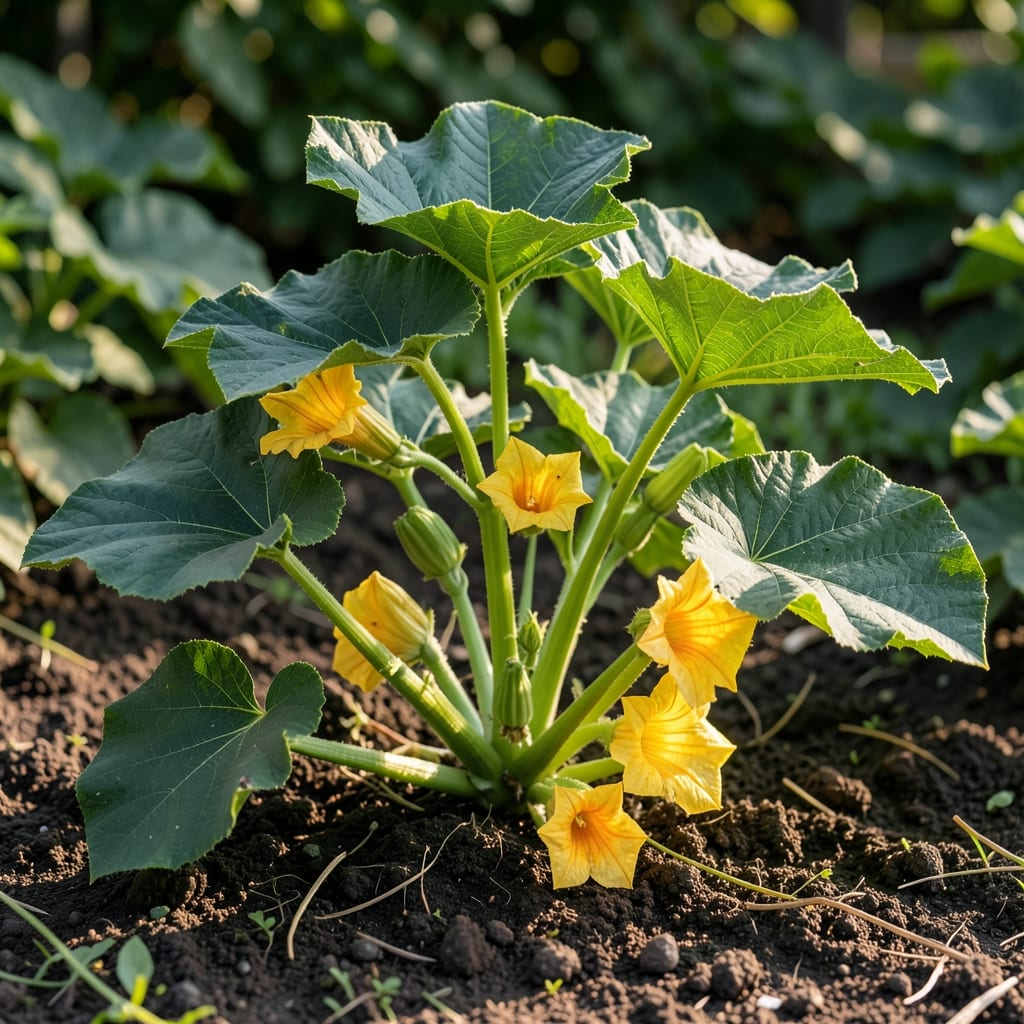
Yellow squash leaves first appeared in my garden last July. I ignored them for a week—big mistake.
The color shift usually signals trouble: pests, disease, or hungry roots. Catching it early means saving your plants and this season’s harvest. I’ve learned to inspect leaves daily once they start changing.
Most fixes are simple—adjust watering, add compost, or remove pests by hand. Organic solutions work fast when you act quickly. My squash bounced back within 10 days after treatment.
Prevention beats cure. Healthy soil and consistent care keep yellowing from returning next year.
Understanding why squash leaves or fruit turn yellow starts with identifying the root causes. Here are the most common culprits, explained simply but scientifically:
Yellowing often signals a lack of essential nutrients. Nitrogen deficiency typically causes uniform yellowing of older leaves first, as the plant redirects nitrogen to newer growth. Magnesium deficiency, on the other hand, shows as yellow patches between leaf veins (interveinal chlorosis), often in older leaves. A soil test can confirm imbalances—amend with compost or organic fertilizers like fish emulsion for nitrogen or Epsom salt for magnesium.
Extreme temperatures, drought, or waterlogging can stress squash plants, leading to yellowing. Heat above 90°F (32°C) disrupts chlorophyll production, while cold snaps slow nutrient uptake. Overwatering suffocates roots, reducing their ability to absorb nutrients. Ensure consistent moisture (1–2 inches of water weekly) and mulch to regulate soil temperature.
Pests like aphids and spider mites sap plant juices, causing yellow stippling or mottling on leaves. Fungal diseases such as powdery mildew create yellow spots that spread into patches. Inspect leaf undersides for pests and remove affected foliage promptly. Use neem oil or insecticidal soap for pests, and improve airflow to prevent fungal growth.
Lower leaves may yellow and die as part of the plant’s lifecycle, especially in mature squash. This is normal if the rest of the plant remains healthy. Simply prune yellowed leaves to redirect energy to fruit production.
Addressing yellowing squash starts with pinpointing the cause. Here’s how to fix common issues and keep your plants thriving:
If yellowing starts with older leaves, your squash may lack nitrogen or magnesium. Fix: Work compost or a balanced organic fertilizer (10-10-10) into the soil. For quick results, use a foliar spray of Epsom salt (1 tablespoon per gallon of water) for magnesium. Prevent: Test soil annually and amend before planting.
Yellow leaves with soggy soil signal overwatering. Fix: Let the top inch of soil dry out between waterings. Improve drainage by mixing in perlite or sand. If roots are rotting, trim affected areas and repot in fresh, well-draining soil. Prevent: Use raised beds or containers to avoid waterlogging.
Spider mites or aphids can stress plants, causing yellow spots. Fix: Spray leaves with a neem oil solution (1 tsp oil + 1 tsp dish soap per liter of water) every 3–4 days until pests vanish. For severe cases, introduce ladybugs or lacewings. Prevent: Inspect plants weekly and keep the garden free of debris.
Squash leaves may scorch in intense heat, turning yellow or brown. Fix: Use shade cloth (30–40%) during peak afternoon hours. Prevent: Plant in a spot with morning sun and afternoon shade, or grow heat-tolerant varieties like ‘Yellow Crookneck’.
Powdery mildew or downy mildew creates yellow patches. Fix: Remove infected leaves and apply a baking soda spray (1 tsp baking soda + 1 quart water + a few drops of soap). Prevent: Space plants 2–3 feet apart for airflow and avoid overhead watering.
💡 Pro Tip: Rotate crops yearly to prevent disease buildup in the soil!
Yes, too much water suffocates roots and prevents nutrient uptake. Let the top 1 inch of soil dry between waterings and improve drainage with perlite.
Mix 1 tablespoon Epsom salt per gallon of water and spray leaves weekly. Test soil first to confirm the deficiency.
Severely damaged leaves won’t recover, but new growth will be healthy. Remove yellow leaves to redirect energy to fruit production.
Check leaf patterns: uniform yellowing suggests nitrogen, while spots indicate pests or disease. Inspect undersides for bugs and test soil moisture.