
Beautiful Plants For Your Interior
Beautiful Plants For Your Interior
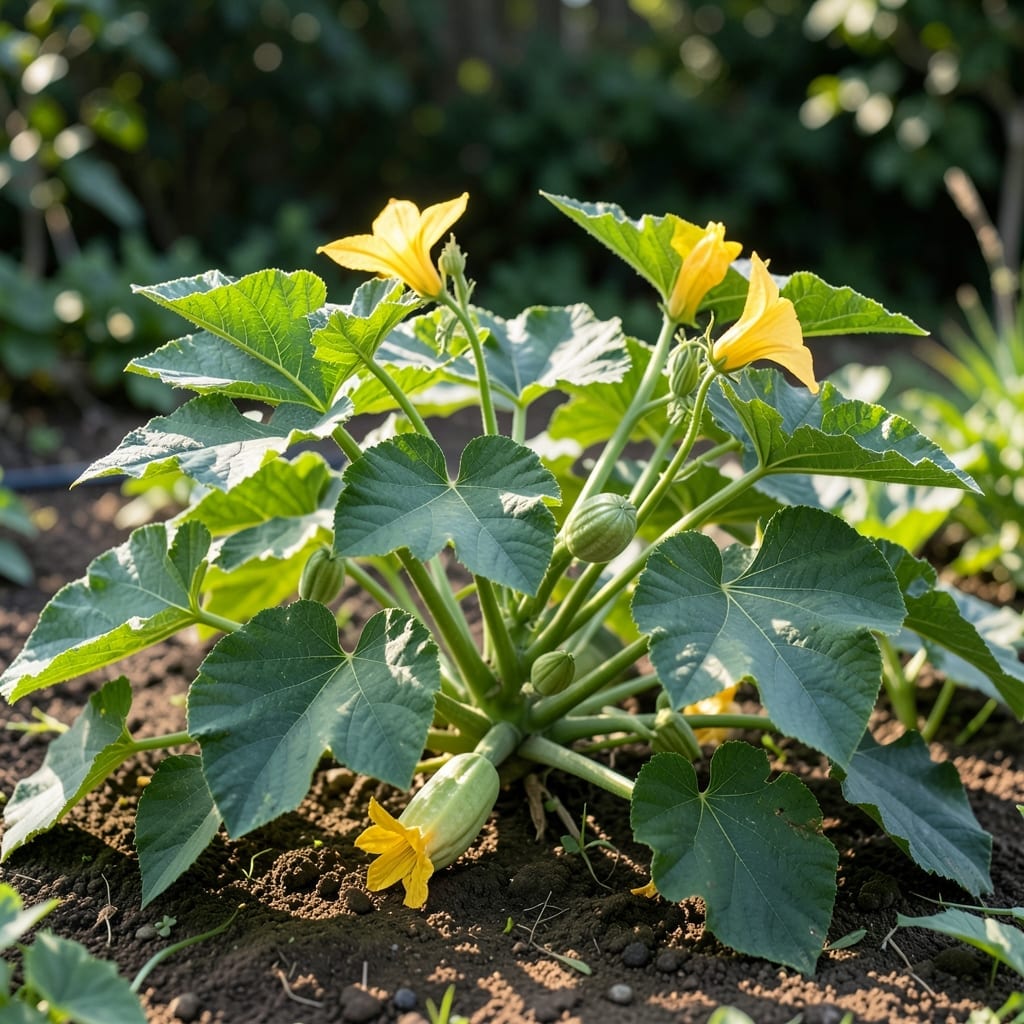
Yellow spots on your squash leaves aren’t just ugly—they’re a warning sign. I’ve learned the hard way that catching problems early means the difference between a full harvest and a dead plant by August.
The most common culprits show up in predictable patterns: powdery mildew starts as white dust, while downy mildew creates yellow patches on top with fuzzy growth underneath. Then there’s the sudden wilting that signals squash vine borers.
Each issue has a distinct look and timeline. What you’re seeing now could be treatable with a simple spray or it might require removing the plant entirely to save the rest of your patch.
These visual clues are your first defense. Here’s how to read them before it’s too late.
Understanding why squash leaves develop problems is key to prevention and treatment. Below are the most common causes, each with a clear scientific explanation.
Fungal pathogens like Podosphaera xanthii (powdery mildew) or Pseudoperonospora cubensis (downy mildew) thrive in warm, humid conditions. These fungi spread via spores, infecting leaves when moisture lingers on the surface. Poor air circulation exacerbates the issue, creating a perfect environment for spores to germinate and multiply.
Pests such as aphids, squash bugs, and cucumber beetles pierce leaf tissues to feed, introducing toxins or pathogens (e.g., Bactericera cockerelli vectors bacterial leaf scorch). Their feeding also weakens the plant, making it more susceptible to secondary infections. Look for stippling, yellowing, or distorted growth as telltale signs.
Extreme temperatures, drought, or overwatering disrupt a squash plant’s physiological balance. For example, heat stress above 90°F (32°C) can cause chlorosis (yellowing) as chlorophyll breaks down. Meanwhile, waterlogged soil reduces oxygen uptake by roots, leading to nutrient deficiencies that manifest as leaf discoloration or wilting.
Lack of essential nutrients like nitrogen (pale leaves), magnesium (interveinal chlorosis), or potassium (leaf edges browning) directly impacts leaf health. Squash plants are heavy feeders; depleted soil or improper pH (ideal: 6.0–6.8) can lock out nutrients, stunting growth and weakening leaves against diseases.
When your squash plants show signs of trouble, quick action can save your crop. Here’s how to tackle common problems based on what you see in your squash leaves pictures.
Yellow leaves often signal a nitrogen deficiency. Fix it by applying a balanced fertilizer or compost tea. For a natural approach, side-dress with well-rotted manure. Prevent it by testing soil before planting and amending with organic matter. Pro tip 💡: Avoid over-fertilizing, as this can burn roots.
Spider mites or powdery mildew can cause white speckling. Fix it by spraying leaves with neem oil or insecticidal soap for mites, and a baking soda-water mix for mildew. Prevent it by keeping foliage dry and improving air circulation. Pro tip 🎯: Remove heavily infested leaves to stop the spread.
Crispy brown edges usually mean underwatering or salt buildup. Fix it by watering deeply at the base (avoid wetting leaves) and flushing soil with fresh water if salt is the issue. Prevent it with consistent watering—1–2 inches per week—and mulch to retain moisture. Pro tip 🌡️: Use drip irrigation to keep leaves dry and prevent disease.
Cucumber beetles or squash bugs chew holes in leaves. Fix it by handpicking pests or using row covers. Prevent it by rotating crops yearly and removing plant debris after harvest. Pro tip ✨: Plant companion flowers like nasturtiums to deter pests naturally.
Catch issues early by regularly checking your plants and comparing them to healthy squash leaves pictures. Small fixes today prevent big problems tomorrow!
Vibrant green with smooth edges and no spots. They should feel firm, not wilted or brittle. 1-2 inches across on mature plants is typical.
Disease usually causes uniform yellowing or patterns, while pests create irregular holes or stippling. Check leaf undersides for bugs or fuzzy growth.
That’s powdery mildew, a common fungal issue. It thrives in humidity. Treat with 1 tablespoon baking soda per gallon of water.
Yes! Compare your plant to reference images of common issues like mildew or pest damage. Early detection is key to saving your crop.