
Beautiful Plants For Your Interior
Beautiful Plants For Your Interior
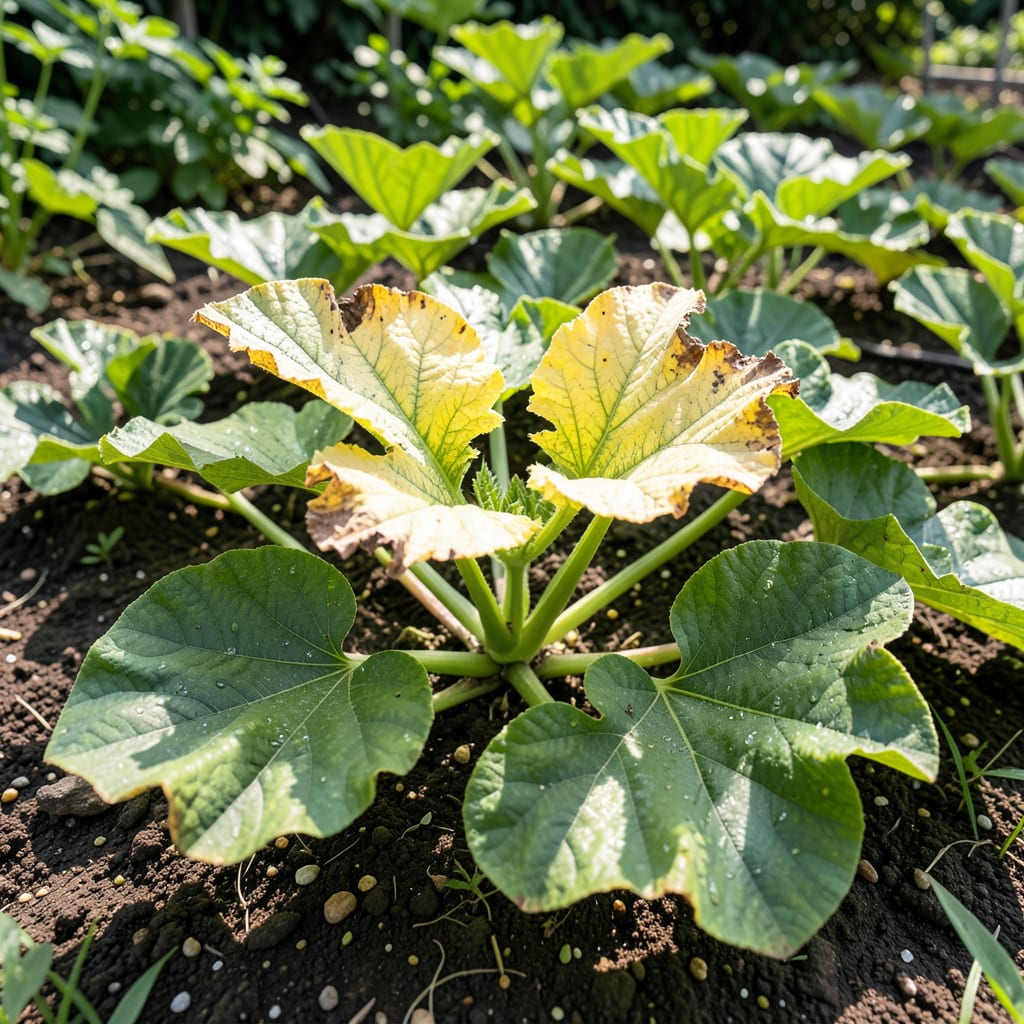
Yellow squash leaves had me panicking last season. I lost two healthy plants in a week before realizing the pattern wasn’t random.
Turns out, most yellowing comes from just 3 common issues: water stress, nutrient hunger, or sneaky pests. Each leaves a different clue if you know where to look.
Once I started checking the soil moisture, leaf patterns, and undersides for bugs, the fixes became obvious. The plants rebounded within 7-10 days of the right treatment.
With a little detective work, you’ll catch problems early and keep those vines productive all summer. Here’s how to play plant doctor.
Yellowing leaves on squash plants often signal a deeper issue. Here are the most common causes, explained clearly so you can diagnose and fix the problem fast.
Squash plants thrive in moist but well-drained soil. When roots sit in waterlogged soil, they suffocate, leading to chlorosis (yellowing due to lack of chlorophyll). Overwatering also promotes fungal diseases like Phytophthora, which attack roots and stems, further stressing the plant.
Yellow leaves often indicate a lack of essential nutrients. Nitrogen deficiency causes uniform yellowing, starting with older leaves. Magnesium deficiency shows as yellow patches between leaf veins (interveinal chlorosis), while iron deficiency affects newer leaves first. A soil test can confirm which nutrient is lacking.
Sap-sucking pests like aphids, spider mites, and whiteflies drain plant fluids, causing yellowing and stunted growth. Check the undersides of leaves for tiny bugs or webbing. Squash bugs also pierce leaves to feed, leading to wilting and discoloration.
Diseases like powdery mildew (white powdery spots) and downy mildew (yellow patches with fuzzy growth) thrive in humid conditions. Bacterial leaf spot causes small, water-soaked yellow spots that turn brown. These pathogens block nutrient transport, starving leaves of essential resources.
Too much sun can scorch leaves, while too little light weakens the plant, leading to yellowing. Sudden temperature drops or heatwaves also stress squash plants, disrupting chlorophyll production. Even excessive wind can damage leaves, making them more susceptible to disease.
Yellowing squash leaves can often be reversed with the right care. Below are targeted fixes for the most common causes, along with prevention tips to keep your plants thriving.
Fix: Check the soil—if it’s soggy, stop watering immediately. Let the top 1-2 inches dry out before watering again. Improve drainage by amending the soil with compost or sand. If the plant is in a container, ensure it has drainage holes.
Prevention: Water deeply but infrequently (about 1-2 inches per week). Use a moisture meter or stick your finger in the soil to test dampness. 💡 Pro tip: Mulch around the base to retain moisture without waterlogging.
Fix: If the yellowing starts between leaf veins (interveinal chlorosis), your plant likely needs magnesium or iron. Apply a balanced organic fertilizer or Epsom salt spray (1 tablespoon per gallon of water) for magnesium. For nitrogen deficiency (uniform yellowing), work compost or a nitrogen-rich fertilizer into the soil.
Prevention: Test your soil annually and amend it with organic matter before planting. Rotate crops to avoid depleting specific nutrients.
Fix: Inspect the undersides of leaves for pests like aphids, spider mites, or squash bugs. Blast them off with water or apply neem oil or insecticidal soap. For severe infestations, remove heavily damaged leaves and treat the plant with a natural pesticide.
Prevention: Encourage beneficial insects like ladybugs and lacewings by planting companion flowers (e.g., marigolds). Keep the garden free of debris where pests can hide.
Fix: Prune affected leaves with sterilized scissors to prevent spread. For fungal issues like powdery mildew, apply a baking soda spray (1 teaspoon baking soda, 1 quart water, and a few drops of dish soap). Copper fungicide can help with bacterial diseases.
Prevention: Space plants properly for airflow, water at the base (not the leaves), and avoid overhead watering. ✨ Pro tip: Rotate crops yearly to reduce disease buildup in the soil.
Fix: If leaves are yellowing due to too much sun, provide shade with a row cover or relocate potted plants. For cold stress, cover plants with frost cloth during chilly nights. Ensure squash gets 6-8 hours of sunlight daily but isn’t scorched.
Prevention: Harden off seedlings before transplanting and choose a planting spot with consistent light and temperature.
Water deeply 1-2 times per week, providing about 1-2 inches of water total. Let the top 1-2 inches of soil dry between waterings to prevent root rot.
Check for pests first—blast them off with water or use neem oil. For nutrient issues, apply Epsom salt spray for magnesium or compost for nitrogen. Prune diseased leaves immediately.
Severely damaged leaves won’t recover, but new growth will be healthy if you fix the underlying issue. Focus on improving soil, water, and pest conditions.
Yes, trim yellow or diseased leaves with sterilized scissors to prevent spread. Remove only 1/3 of foliage at a time to avoid stressing the plant.
