
Beautiful Plants For Your Interior
Beautiful Plants For Your Interior
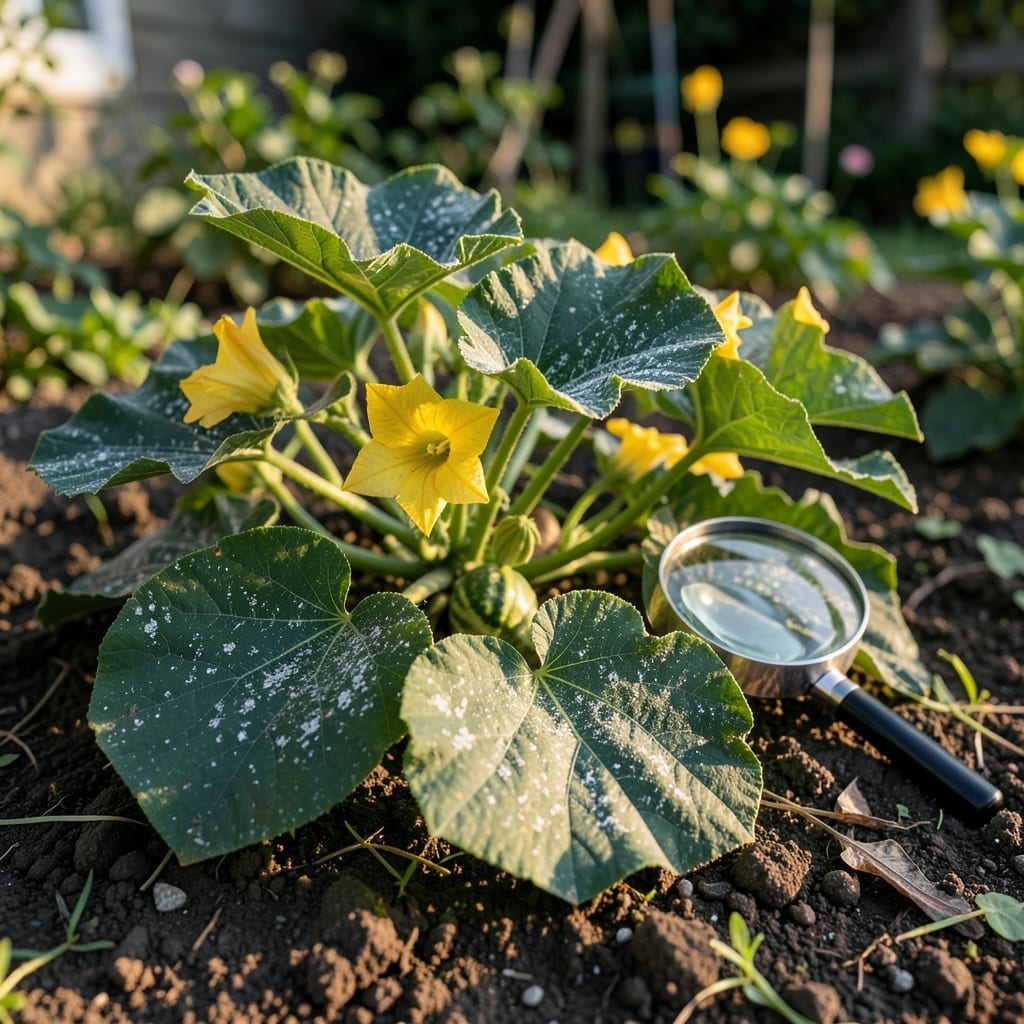
Yellow spots on your squash leaves aren’t just ugly—they’re a warning. I lost half my zucchini crop to leaf fungus one summer before learning how to spot it early.
This problem starts with small brown or yellow patches that spread fast, especially in wet weather. The leaves turn crispy, production drops, and before you know it, the whole plant is struggling.
Here’s the thing—it’s preventable with good airflow, proper watering, and organic sprays that actually work. I’ve tested copper fungicides, baking soda mixes, and neem oil with real results.
Catch it early and you’ll save your harvest. Wait too long and you’re pulling up dead plants. Simple as that.
The development of fungal infections on squash leaves is often tied to specific environmental and cultural conditions. Understanding these triggers can help you prevent outbreaks before they start.
Fungal spores thrive in damp environments. Overhead watering, poor drainage, or prolonged rain can create the perfect breeding ground. When leaves remain wet for extended periods, spores germinate and infect the tissue. Water at the base of the plant and ensure good airflow to reduce humidity around the foliage.
Most squash leaf fungi, such as powdery mildew and downy mildew, flourish in temperatures between 60–80°F (15–27°C) with humidity levels above 80%. These conditions accelerate spore production and spread. Space plants properly to improve air circulation and lower humidity.
Dense plantings or overgrown foliage restrict airflow, trapping moisture and creating microclimates ideal for fungal growth. Prune excess leaves and stake or trellis vining squash to open up the canopy and allow breezes to dry the leaves faster.
Fungal pathogens can overwinter in soil or on decaying plant matter. If last season’s squash had fungal issues, the spores may still be present. Rotate crops and remove all infected plant debris after harvest to break the disease cycle.
Dealing with leaf fungus on your squash plants doesn’t have to mean the end of your harvest. Here’s how to tackle each issue with simple, organic fixes and keep your garden thriving. 🌱
If you spot white, powdery patches, act fast. Prune affected leaves with clean shears and dispose of them far from your garden. Then, spray the remaining foliage with a mix of 1 tablespoon baking soda + 1 teaspoon dish soap + 1 gallon of water. Reapply every 7–10 days or after rain. Prevention tip: 💡 Increase airflow by spacing plants 2–3 feet apart and watering at the base to keep leaves dry.
Yellow spots with fuzzy gray undersides? Downy mildew thrives in cool, wet conditions. Treat it with a copper-based fungicide (follow package instructions) or a DIY option: 1 tablespoon copper sulfate + 1 gallon of water. Apply in the early morning. Prevention tip: ✨ Avoid overhead watering and rotate crops yearly to break the fungus cycle.
Brown or black spots with halos? Neem oil is your go-to. Mix 2 tablespoons neem oil + 1 teaspoon dish soap + 1 gallon of water and spray both sides of leaves weekly. Remove severely infected leaves to stop the spread. Prevention tip: 🎯 Mulch with straw to prevent soil-borne spores from splashing onto leaves during rain.
Remove infected leaves immediately and avoid overhead watering. Space plants 2-3 feet apart for better airflow.
A baking soda spray (1 tbsp baking soda + 1 tsp dish soap + 1 gallon water) works quickly on powdery mildew. Reapply after rain.
Yes, as long as the fruit itself shows no signs of infection. Wash thoroughly before consuming. The fungus typically stays on the leaves.