
Beautiful Plants For Your Interior
Beautiful Plants For Your Interior
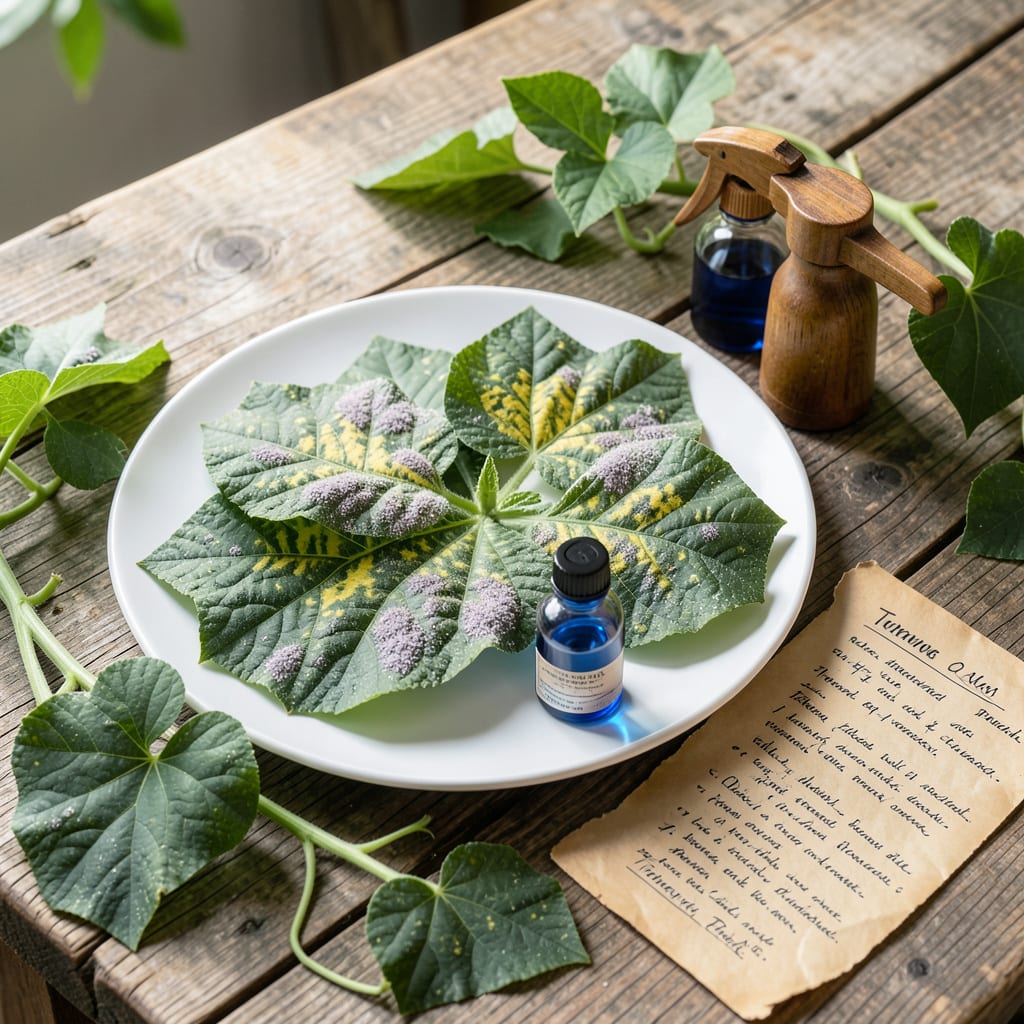
Yellowing leaves with fuzzy undersides spelled disaster for my cucumbers last season. Downy mildew spreads fast, but I found a foolproof organic spray that stops it in its tracks.
This treatment uses household items you already have, with no harsh chemicals. Most gardeners see improvement within 48 hours of the first application, saving plants that looked doomed.
The key is catching it early—check leaves daily when humidity spikes. Once you spot the purple-brown patches, act fast. The spray revives existing foliage and protects new growth.
Works for cucumbers, squash, and melons. One application often isn’t enough—stay vigilant through the growing season.
Downy mildew in cucumbers is triggered by a combination of environmental and biological factors. Understanding these causes helps in both prevention and targeted cucumber downy mildew treatment.
The pathogen Pseudoperonospora cubensis thrives in wet conditions. Prolonged leaf wetness (from rain, dew, or overhead irrigation) creates the perfect breeding ground. Poor air circulation in dense plantings or greenhouses further exacerbates the issue by trapping moisture.
This disease flourishes in temperatures between 60–75°F (15–24°C). Cool nights with high humidity followed by warm days accelerate spore production and spread. Unlike some fungal diseases, downy mildew can develop even in mild, not extreme, heat.
Some cucumber varieties lack genetic resistance to P. cubensis. Heirloom or older cultivars are often more vulnerable than modern disease-resistant hybrids. Growing susceptible plants in high-risk areas increases infection likelihood.
Spores spread via wind, water splashes, or contaminated tools. They can travel long distances, meaning even a neighboring infected field can introduce the disease to your garden. Overhead watering aids spore dispersal by splashing them onto leaves.
Overcrowding plants, neglecting crop rotation, or leaving infected debris in the garden provides the pathogen with easy access to new hosts. Sanitation lapses, like not removing infected leaves promptly, allow the disease to persist and spread.
Tackling cucumber downy mildew starts with quick action and smart fixes. Below are targeted solutions for common causes, paired with prevention tips to keep your plants thriving. 🌱
If soggy soil or frequent watering is the culprit, adjust your routine. Water cucumbers at the base in the early morning to allow foliage to dry. Use drip irrigation to avoid wetting leaves. Improve drainage by amending soil with compost or sand. Prevention tip: Space plants 12–18 inches apart for airflow. 💡
Downy mildew loves damp, still air. Thin out crowded plants and prune excess leaves to improve ventilation. Set up a small fan on low to keep air moving in greenhouses or shaded areas. Prevention tip: Plant cucumbers in sunny spots with at least 6–8 hours of light daily. ☀️
Pull up severely infected plants immediately to stop the spread. Replace them with resistant varieties like ‘Straight Eight’ or ‘Marketmore 76.’ Sanitize tools with rubbing alcohol after pruning. Prevention tip: Start with certified disease-free seeds or seedlings. ✨
For active outbreaks, spray leaves with organic treatments like neem oil, copper fungicide, or a baking soda mix (1 tsp baking soda, 1 quart water, ½ tsp dish soap). Reapply every 7–10 days or after rain. Prevention tip: Rotate crops yearly to break the fungal cycle. 🎯
Consistency is key—combine treatments with prevention for the best results!
Apply every 7–10 days or after rain, as moisture can wash away protection. For severe outbreaks, shorten intervals to every 5–7 days until the issue is under control.
Yes, the fruit remains safe to eat, but wash thoroughly first. The disease primarily affects leaves, not the cucumbers themselves. Remove and discard heavily infected foliage promptly.
Apply sprays in the early morning when leaves are dry. This allows foliage to absorb treatment before evening humidity sets in, reducing risk of further spread.
Resistant varieties like ‘Marketmore 76’ are less susceptible but not immune. Monitor regularly and treat at first signs to prevent severe outbreaks.
