
Beautiful Plants For Your Interior
Beautiful Plants For Your Interior
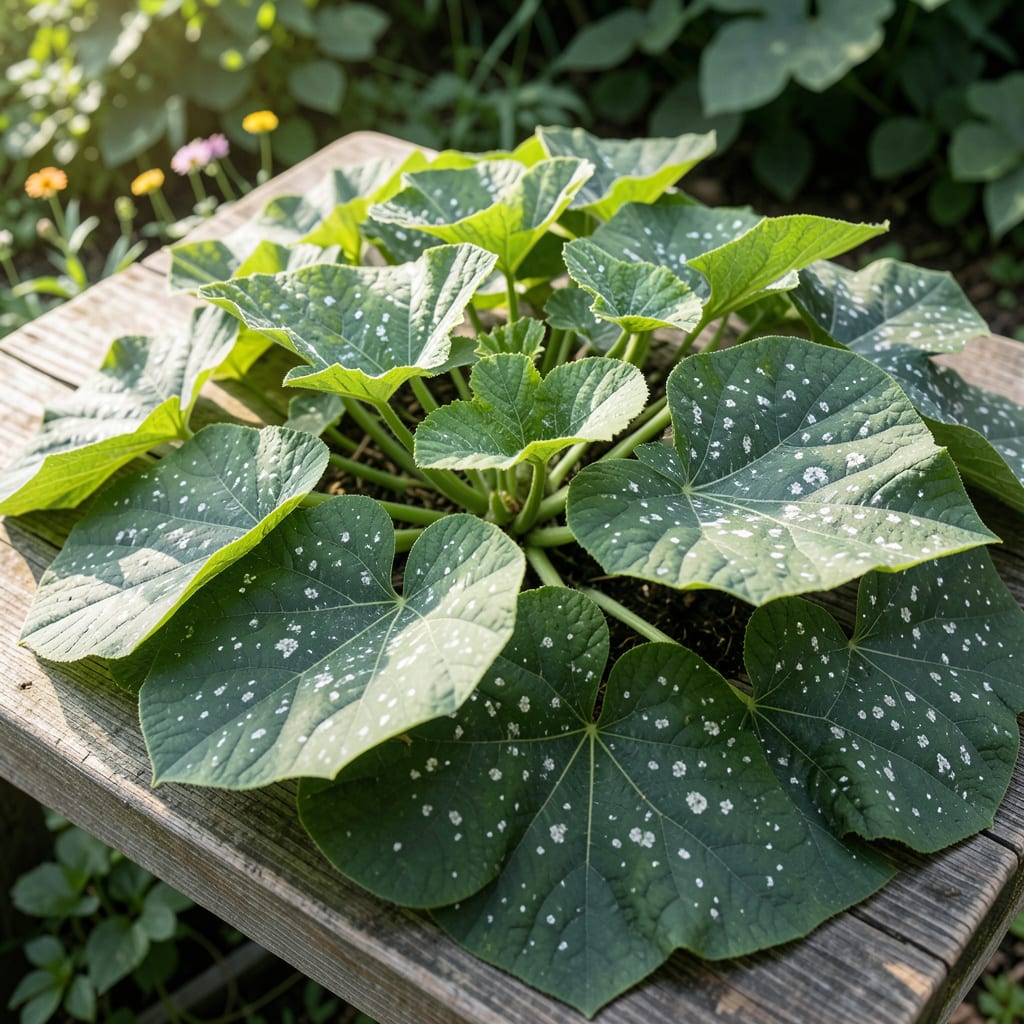
Those white spots on your squash leaves aren’t just unsightly—they’re a warning sign. I’ve seen powdery mildew turn healthy plants into struggling survivors in 48 hours during humid summers.
Here’s the thing—most white spots come from fungal issues or pest damage, but the fixes differ. Powdery mildew looks like dust, while downy mildew shows up as yellow patches with white underneath.
You can stop the spread with simple solutions: improve air flow, remove infected leaves, or apply neem oil. Prevention is easier than cure, and early action saves your harvest.
Don’t wait until it’s too late. A few proactive steps now keep your squash plants productive all season long.
White spots on squash leaves are a red flag for underlying issues, often tied to environmental stress or pathogens. Here’s a breakdown of the most common causes, explained scientifically and with actionable insights.
Powdery mildew (Podosphaera xanthii or Erysiphe cichoracearum) thrives in warm, dry conditions with high humidity. The fungus forms white, powdery spots on the upper leaf surface by drawing nutrients from plant cells, weakening photosynthesis. Spores spread via wind, so improving air circulation and avoiding overhead watering can curb its growth.
Unlike powdery mildew, downy mildew (Pseudoperonospora cubensis) prefers cool, wet weather. It creates yellowish spots on top leaves with white or grayish fungal growth underneath. This pathogen requires moisture to germinate, so reducing leaf wetness (e.g., watering at the base) and removing infected foliage helps prevent its spread.
Tiny pests like whiteflies (Bemisia tabaci) and mealybugs (Planococcus citri) feed on sap, leaving behind sticky honeydew. This residue often develops sooty mold, a black fungus that can appear alongside white egg masses or cottony clusters. Introduce beneficial insects (e.g., ladybugs) or use neem oil to disrupt their life cycle.
Extreme heat, sunscald, or nutrient deficiencies (e.g., calcium or magnesium) can cause white or bleached patches. Squash leaves may develop interveinal chlorosis (yellowing between veins) if magnesium is lacking, while excessive sun exposure leads to localized white scorching. Shade cloths and balanced fertilization can mitigate these issues.
Don’t let white spots take over your squash plants! Here’s how to tackle each cause with simple, effective fixes and prevention tips to keep your garden thriving. 🌱
Fix: Mix 1 tablespoon of baking soda, 1 teaspoon of dish soap, and 1 gallon of water. Spray the solution on affected leaves every 7–10 days until the spots disappear. Remove heavily infected leaves to stop the spread.
Prevention: 💡 Water at the base of the plant (not the leaves) and ensure good air circulation. Space plants 2–3 feet apart.
Fix: Blast pests off with a strong stream of water, or apply insecticidal soap or neem oil. Repeat every 3–5 days until pests are gone.
Prevention: 🎯 Encourage beneficial insects like ladybugs by planting companion flowers (e.g., marigolds). Inspect leaves weekly for early signs.
Fix: Provide temporary shade with a lightweight cloth or move potted squash to a less intense sunlight area. Trim damaged leaves to redirect energy to healthy growth.
Prevention: 🌡️ Use mulch to retain soil moisture and reduce heat stress. Water deeply in the early morning.
Fix: Let the soil dry out slightly between waterings. If roots are waterlogged, improve drainage by amending the soil with compost or perlite.
Prevention: ✨ Use drip irrigation to avoid wetting the leaves. Plant squash in raised beds if your soil is heavy clay.
Fix: Rinse the leaves gently with water to remove residue. Stop using the offending product immediately.
Prevention: 🎯 Always test sprays on a small area first. Opt for organic, plant-safe treatments when possible.
Yes, if left untreated, it can weaken photosynthesis and reduce yields. Start treatment immediately with baking soda spray or neem oil to prevent spreading.
Check the undersides of leaves. Whiteflies and mealybugs leave cottony clusters, while fungal spores look like powder. Magnifying glass helps spot tiny pests.
Removing heavily infected leaves helps, but combine with improved air circulation and preventive sprays for best results. Always use clean pruners.
A mix of 1 tablespoon baking soda and 1 teaspoon dish soap in 1 gallon water works well against mildew. Apply weekly.
