
Beautiful Plants For Your Interior
Beautiful Plants For Your Interior
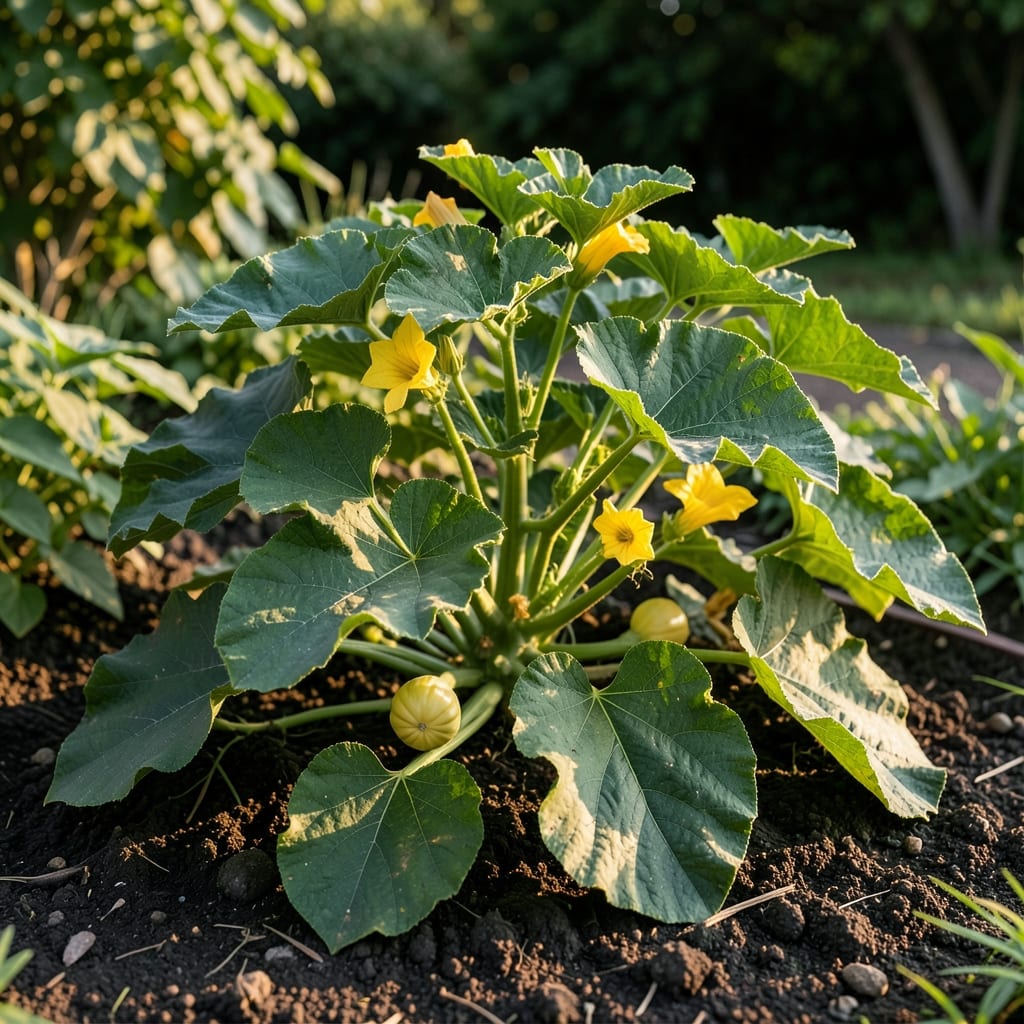
Spotted curling leaves on your squash plants? Don’t panic yet. I’ve seen this issue wipe out entire patches overnight, but early action can still save your harvest.
Most cases trace back to pests, viruses, or simple stress from heat or inconsistent watering. The good news: organic fixes often work if you catch it before it spreads to 50% of the plant.
You’ll need to inspect leaves closely, remove the worst damage, and adjust care immediately. Within 1-2 weeks, healthy new growth should appear if the roots stay strong.
Works for zucchini, pumpkins, and all summer squash varieties. Here’s how to diagnose and fix it fast.
Squash leaf curl is a frustrating issue for gardeners, but understanding the root causes can help you tackle it effectively. Below are the most common triggers, explained in clear, actionable terms.
One of the primary culprits is viral infections, particularly the Squash Leaf Curl Virus (SqLCV). This virus is often spread by whiteflies, which feed on infected plants and then transmit the pathogen to healthy ones. The virus disrupts the plant’s cellular function, leading to distorted, curled leaves. To prevent this, monitor for whiteflies and use row covers or reflective mulches to deter them.
Extreme weather conditions can also cause leaf curling. Heat stress (temperatures above 90°F) or water deficits force squash plants to conserve moisture by curling their leaves. Ensure consistent deep watering (1–2 inches per week) and provide shade cloth during heatwaves to mitigate stress.
A lack of essential nutrients, particularly magnesium or potassium, can lead to leaf curling. Magnesium deficiency often presents as interveinal chlorosis (yellowing between veins) followed by curling. Apply Epsom salt (magnesium sulfate) or a balanced organic fertilizer to correct deficiencies.
In addition to whiteflies, aphids and spider mites can cause physical damage that leads to curling. These pests suck sap from the leaves, weakening the plant and distorting growth. Use neem oil or insecticidal soap for organic control, and introduce beneficial insects like ladybugs to keep populations in check.
When your squash leaves start curling, quick action can save your plants. Below are targeted solutions for common causes, paired with prevention tips to keep your garden thriving.
Inconsistent watering often triggers leaf curl. Fix it by deeply watering the base of the plant early in the morning, ensuring the soil stays moist but not soggy. Use a drip irrigation system or soaker hose to avoid wetting the leaves. Prevention tip 💡: Mulch around plants with straw or wood chips to retain soil moisture and reduce evaporation.
Aphids, whiteflies, and mites cause curling by sucking plant sap. Combat them with a strong spray of water to dislodge pests, or apply insecticidal soap or neem oil every 3-5 days until they’re gone. Prevention tip 🎯: Introduce beneficial insects like ladybugs or lacewings, and use row covers early in the season to block pests.
If curl is paired with yellowing or spots, a virus or fungus may be the culprit. Treat fungal infections with copper-based fungicides or a baking soda spray (1 tsp baking soda, 1 quart water, plus a drop of dish soap). For viruses, remove and destroy infected plants to prevent spread. Prevention tip ✨: Rotate crops annually and avoid overhead watering to minimize fungal spores.
Excessive heat can cause leaves to curl as a defense mechanism. Relieve stress by providing temporary shade with a lightweight cloth or planting taller crops nearby. Ensure plants are well-hydrated during heatwaves. Prevention tip 🌡️: Plant squash in a spot with afternoon shade or use shade cloths proactively during peak summer.
Lack of key nutrients like magnesium or calcium can lead to curling. Revitalize the soil with compost or a balanced organic fertilizer. For a quick fix, apply Epsom salt (1 tbsp per gallon of water) for magnesium or crushed eggshells for calcium. Prevention tip 🌱: Test soil before planting and amend with organic matter to maintain nutrient balance.
No, environmental stress like heat above 90°F or inconsistent watering often triggers curling. Check soil moisture and temperature before assuming a virus is to blame.
Mild cases may still yield squash, but severe curling reduces photosynthesis. Remove heavily damaged leaves to redirect energy to healthy growth and fruit production.
Viral leaf curl can spread through a garden in 2-3 days via whiteflies. Act fast—remove infected plants and treat pests immediately to contain the issue.
Neem oil works for pest-related curling but won’t fix viral or nutritional causes. Pair it with soil amendments or shade adjustments for environmental stress.