
Beautiful Plants For Your Interior
Beautiful Plants For Your Interior
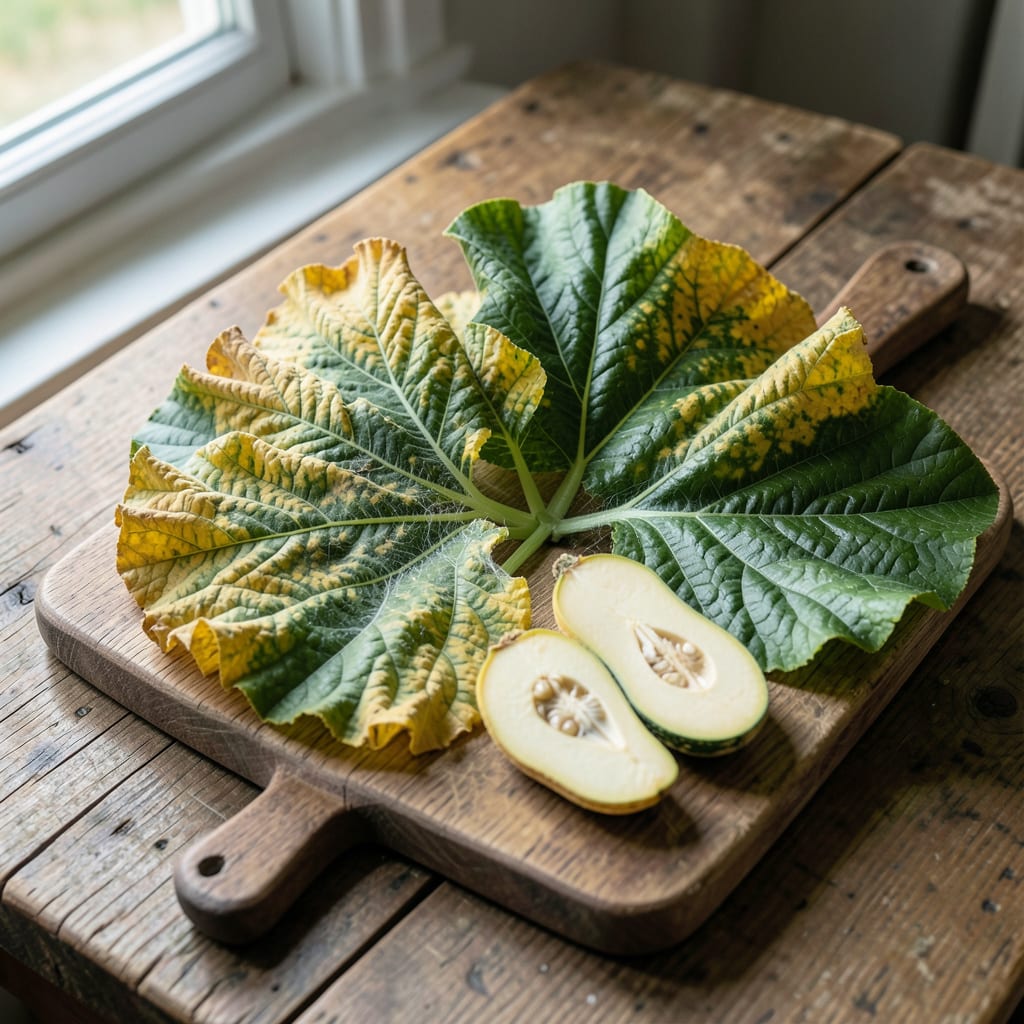
Your squash leaves suddenly look like crumpled paper. I’ve seen this exact pattern—curled, thickened, and yellowing at the edges—and it’s always the same culprit working fast.
This virus spreads through whiteflies, so early detection is key. Check the undersides of leaves for tiny white insects and watch for stunted growth in new shoots. The damage moves quickly through the plant.
Organic control starts with removing infected plants immediately to protect the rest. Row covers can block whiteflies, and reflective mulch disrupts their landing patterns.
Works for zucchini, pumpkins, and all summer squash varieties. Here’s how to stop it before it takes over.
The squash leaf curl virus doesn’t strike out of nowhere—it thrives due to specific biological and environmental triggers. Understanding these root causes helps you interrupt the cycle and protect your crop. Below are the primary drivers behind this frustrating issue.
The most common cause is the silverleaf whitefly (Bemisia argentifolii), which transmits the virus as it feeds on plant sap. These tiny insects carry viral particles from infected plants to healthy ones, injecting the virus directly into leaf tissues. The virus then replicates, disrupting cell function and causing the characteristic curling, yellowing, and stunted growth.
Using contaminated seeds, seedlings, or grafting stock can introduce the virus to your garden. Some squash varieties may appear healthy but harbor latent infections. Always source certified disease-free plants and seeds from reputable suppliers to minimize this risk.
While not a direct cause, heat stress, drought, or nutrient deficiencies weaken plants, making them more susceptible to viral infection. Stressed squash plants have reduced defenses, allowing the virus to take hold more easily once introduced by whiteflies.
The virus can persist in weedy hosts (like pigweed or lambsquarters) or overwintering whitefly populations. These reservoir plants act as silent carriers, ensuring the virus survives between growing seasons. Removing weeds and managing whitefly populations year-round is critical to breaking the transmission cycle.
Dealing with squash leaf curl virus requires a mix of immediate action and long-term prevention. Below are targeted solutions for common causes, along with tips to keep your plants healthy and resilient.
If you spot curled, yellowing, or stunted leaves, act fast. Uproot and destroy severely infected plants to prevent the virus from spreading to healthy ones. Do not compost them—burn or bag the affected material to eliminate the virus completely.
Whiteflies and aphids are the primary carriers of this virus. Introduce beneficial insects like ladybugs or lacewings to naturally reduce pest populations. For a quick fix, use neem oil or insecticidal soap sprays, applying them early in the morning or late evening for best results.
Strengthen your squash plants with organic fertilizers rich in potassium and phosphorus, which enhance disease resistance. Avoid over-fertilizing with nitrogen, as it promotes tender growth that attracts pests.
Consistency is key. By combining these practical steps with vigilant monitoring, you can minimize damage and enjoy a thriving squash harvest. 🌿
Look for leaves that curl upward, thicken, and turn yellow at the edges. New growth may appear stunted. Check undersides for whiteflies, the primary carriers.
Severely infected plants should be removed immediately to prevent spread. Mild cases may recover if whiteflies are controlled early and the plant is strengthened with proper nutrients.
Use reflective mulch to disorient them and row covers to block access. Introduce beneficial insects like ladybugs. Apply neem oil weekly as a deterrent.
Yes, varieties like ‘Cocozelle’ and ‘Butternut’ show better tolerance. Always choose certified disease-free seeds or seedlings from trusted suppliers.
