
Beautiful Plants For Your Interior
Beautiful Plants For Your Interior
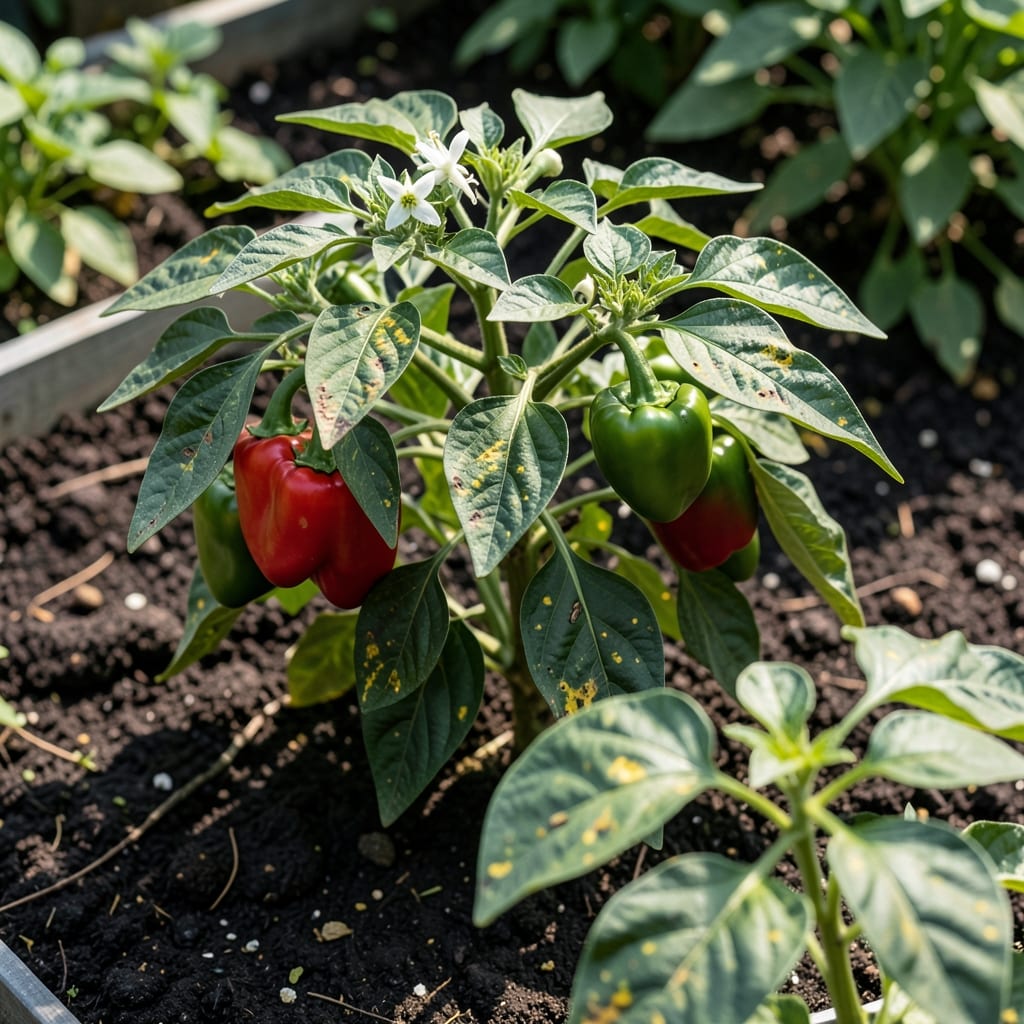
Yellow speckles appeared on my pepper leaves last July. 🌱 By August, half the plant was covered—turns out early action is everything with pepper spots.
These marks usually signal one of three problems: fungal infections, hungry pests, or environmental stress. Each leaves a distinct pattern, from powdery mildew‘s white dust to aphid clusters hiding underneath.
I’ve saved every pepper plant since learning to spot the difference between bacterial leaf spot and sun scorch. The fix often starts with better air circulation and a sharp eye.
Organic solutions work surprisingly well. A homemade spray and proper spacing can turn things around in 2-3 weeks.
Spots on peppers can stem from a variety of biological and environmental factors. Understanding the root cause is key to addressing the issue effectively. Below are the most common reasons, explained scientifically yet simply.
Fungi like Alternaria or Cercospora thrive in warm, humid conditions, producing dark, sunken spots on pepper leaves and fruits. These pathogens spread via spores, which germinate when moisture lingers on plant surfaces. Overhead watering and poor air circulation exacerbate the problem.
Bacteria such as Xanthomonas campestris cause irregular, water-soaked spots that turn yellow or brown. These spots often have a greasy appearance and may merge over time. Bacteria enter through wounds or natural openings, especially during rainy or overly wet conditions.
Insects like aphids, spider mites, or thrips pierce plant tissues to feed, creating entry points for secondary infections. Their feeding can also cause direct stippling or discoloration. Check the undersides of leaves for tiny pests or webbing, especially in dry, dusty environments.
Extreme temperatures, inconsistent watering, or nutrient deficiencies (e.g., calcium or magnesium) can manifest as spotting. For example, blossom end rot—a dark, sunken spot on the fruit’s bottom—results from calcium imbalance triggered by drought or waterlogged soil.
Overuse of pesticides, herbicides, or even foliar sprays can burn pepper tissues, leaving behind necrotic spots. Similarly, physical damage from hail, wind, or rough handling may create wounds that darken as they heal.
Identify the pattern, color, and location of the spots to pinpoint the cause, then adjust care practices or apply targeted organic treatments.
Dealing with spots on peppers can be frustrating, but the right approach can restore your plants to health. Below are targeted solutions for common causes, along with prevention tips to keep your peppers thriving.
Fungal spots (like early blight or powdery mildew) thrive in damp, crowded conditions. Prune infected leaves immediately and space plants at least 18 inches apart. Apply a copper-based fungicide or a DIY mix of 1 tsp baking soda + 1 quart water + a drop of dish soap. Spray weekly until spots fade.
Prevention: Water at the base (not overhead) and use drip irrigation. 💡 Pro tip: Mulch with straw to reduce soil splash.
Spots from aphids, spider mites, or pepper maggots often appear as tiny holes or yellow speckles. Blast pests off with a strong water spray, then introduce ladybugs or lacewings. For stubborn infestations, use neem oil (mix 2 tbsp per gallon of water) and spray every 3–5 days.
Prevention: Plant companion flowers like marigolds or alyssum to attract beneficial insects. ✨
Sunburn (white/yellow patches) or edema (blister-like spots) signal stress from extreme heat or inconsistent watering. Provide afternoon shade with a cloth cover and keep soil evenly moist (1–2 inches of water per week). Avoid wetting leaves in direct sunlight.
Prevention: Use row covers for young plants and monitor soil moisture with a finger test. 🌡️
Bacterial leaf spot causes dark, water-soaked lesions. Remove infected plants (don’t compost them!) and rotate crops yearly to prevent recurrence. Copper sprays can help, but sanitize tools with rubbing alcohol between uses to avoid spreading bacteria.
Prevention: Start with disease-resistant pepper varieties like ‘Carmen’ or ‘Bell Boy’. 🎯
Yes, overwatering creates soggy soil conditions that encourage fungal growth. This often leads to dark, water-soaked spots on leaves and stems. Ensure your soil drains well and water only when the top 1-2 inches are dry.
Not always. While powdery mildew causes white fungal spots, similar marks can come from pest damage or even sun scorch. Check for webbing or tiny insects to confirm pests, or look for crispy edges to identify sunburn.
Isolate affected plants immediately and avoid overhead watering. Use clean tools when pruning, and remove fallen leaves to stop spores from spreading. Rotate crops yearly to prevent recurrence.