
Beautiful Plants For Your Interior
Beautiful Plants For Your Interior
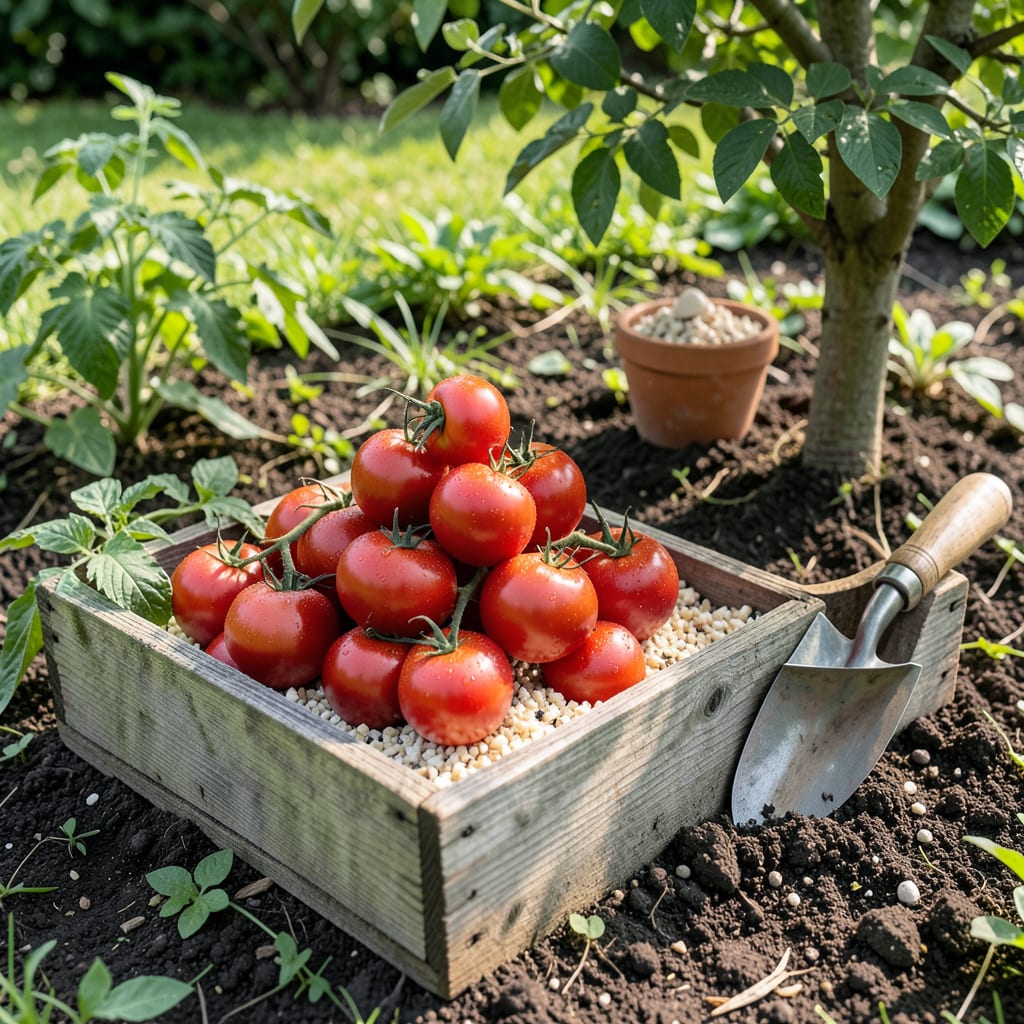
That black, leathery patch on your tomatoes isn’t a disease—it’s your plants screaming for calcium. I lost half my harvest to this last summer before figuring out the simple fix.
Consistent watering and a calcium boost turn things around fast. You’ll see healthy fruit forming within 2 weeks of making these adjustments, and the problem won’t return next season with proper soil prep.
📚 In This Guide
Consistent care beats this problem every time—here’s how to keep your fruit firm and flawless.
Start with a soil test to confirm calcium levels. If results show deficiency, work crushed eggshells or lime into the top 6 inches of soil before planting. I’ve found eggshells take a full season to break down, so plan ahead.
For immediate correction, mix 1 tablespoon of calcium nitrate per gallon of water and apply as a soil drench. You’ll see improved cell wall strength within 2-3 weeks as new growth appears sturdier.
Fluctuating moisture is the primary trigger for this issue. Water deeply 2-3 times per week, ensuring the soil stays consistently damp like a wrung-out sponge. Mulch with 2-3 inches of straw to retain moisture and prevent soil from drying out between waterings.
Here’s the thing—both drought stress and overwatering can cause the same problem. Check soil by sticking your finger in 2 inches deep. If it feels dry, it’s time to water. If it’s soggy, hold off for a day.
When plants begin flowering, start a weekly foliar spray of 1% calcium chloride solution (available at garden centers). Spray early in the morning so leaves dry before nightfall. This delivers calcium directly where it’s needed most.
Real talk: foliar sprays won’t fix existing affected fruit, but they’ll prevent new cases from developing. I’ve saved entire harvests by catching the problem early and sticking to this spray schedule.
Avoid high-nitrogen fertilizers that encourage rapid leafy growth at the expense of fruit development. Switch to a balanced 10-10-10 fertilizer or one slightly higher in phosphorus. Too much nitrogen also ties up calcium in the soil.
Watch for signs of new growth—if leaves appear dark green and lush but fruit develops slowly, you may be overdoing the nitrogen. Cut back on fertilizer and focus on calcium supplements until the plant rebalances.
Some tomato varieties show better natural resistance. Look for Roma, San Marzano, or Celebrity types which have demonstrated better tolerance in my experience. Heirloom varieties often need more vigilant care.
Save seeds from your most successful plants each year. Over time, you’ll develop a strain that thrives in your specific soil conditions and requires less intervention.
Small adjustments make the biggest difference in preventing blossom end rot and keeping your tomatoes healthy.
Soil Amendment Timing: In Step 1, remember that crushed eggshells need a full season to break down, so add them before planting. For faster results, the calcium nitrate drench shows improvement in 2-3 weeks as new growth strengthens.
Moisture Consistency: The 2-3 inches of straw mulch in Step 2 is non-negotiable—it maintains that wrung-out sponge texture in your soil. Check that 2-inch depth with your finger; if it’s dry, water deeply, and if soggy, wait a day.
Foliar Spray Precision: For Step 3, that weekly foliar spray of 1% calcium chloride must be applied early in the morning so leaves dry before nightfall. Skipping this timing can reduce effectiveness and invite fungal issues.
Fertilizer Balance: Step 4 warns against high-nitrogen fertilizers, which tie up calcium. Switch to a balanced 10-10-10 fertilizer or one slightly higher in phosphorus to support fruit development without sacrificing calcium availability.
Blossom end rot occurs when tomatoes can’t absorb calcium due to inconsistent watering. Even with calcium-rich soil, drought stress or overwatering disrupts uptake. Keep soil evenly moist (like a wrung-out sponge) to help roots access nutrients.
No, affected fruit won’t recover, but you can prevent new cases. Remove damaged tomatoes, then focus on consistent watering and calcium (e.g., crushed eggshells or gypsum). Healthy new growth will benefit from these adjustments.
For quick results, use calcium nitrate or a foliar spray with calcium chloride. These are absorbed faster than soil amendments. Alternatively, mix crushed eggshells into the soil at planting—just don’t rely on them for immediate fixes.
No, it’s not contagious! Blossom end rot is a physiological disorder caused by environmental factors, not a disease. However, inconsistent care (like uneven watering) can make multiple plants in the same area develop it.
