
Beautiful Plants For Your Interior
Beautiful Plants For Your Interior
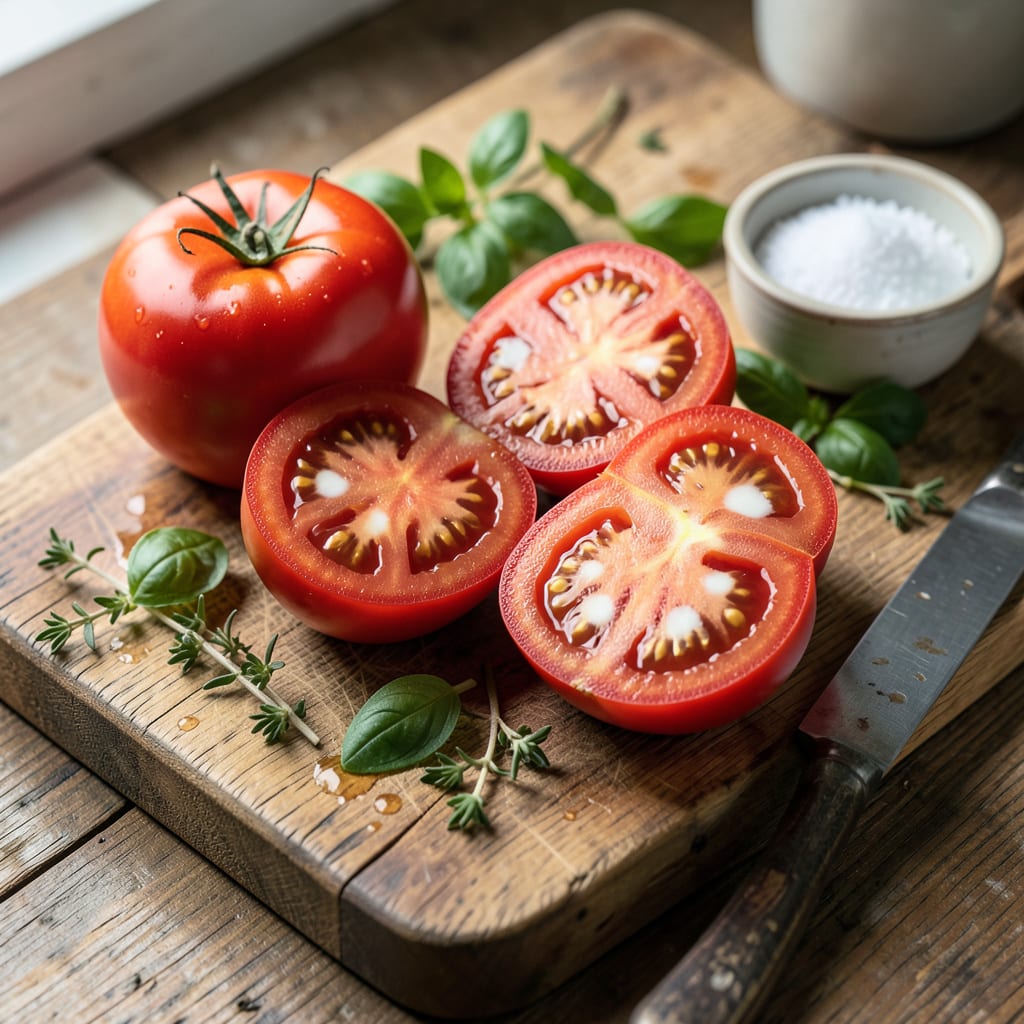
Nothing kills the joy of harvest like cutting into a tomato and finding white spots. I’ve been there—staring at a perfect-looking fruit, only to discover the inside tells a different story. This issue isn’t just unsightly; it affects flavor and texture too.
Here’s the thing—white spots usually mean one of three things: nutrient imbalance, pest damage, or environmental stress. Each leaves a distinct signature, and once you learn to read them, diagnosis becomes straightforward. My first season, I assumed it was always pests. Wrong.
You’ll notice these spots most often in heirloom varieties and large beefsteaks, but no tomato is immune. The good news? Fixing it usually means adjusting your watering, soil, or pest control—simple tweaks with big results.
We’ll walk through how to spot the difference and what to do about it. No guesswork, just solutions.
White spots inside tomatoes are often a sign of underlying issues affecting the fruit’s development. Below are the most common causes, explained with actionable insights.
Tomatoes require a balanced diet of calcium, magnesium, and potassium. A deficiency in any of these can lead to internal discoloration. For example:
Action: Test your soil and amend it with lime (for calcium) or Epsom salt (for magnesium) as needed.
Inconsistent watering—either overwatering or underwatering—can stress the plant, leading to cellular damage. This often manifests as white, corky spots inside the fruit. Tomatoes need 1–2 inches of water per week, delivered consistently to prevent fluctuations in moisture levels.
Action: Use drip irrigation to maintain steady soil moisture and mulch to retain water.
Certain pests, like stink bugs or tomato fruitworms, pierce the fruit and inject enzymes that break down internal tissues, creating white or yellowish spots. Fungal infections, such as early blight, can also cause internal discoloration if left untreated.
Action: Inspect plants regularly for signs of pests or disease. Use organic pesticides or neem oil for prevention.
Extreme temperature swings or sunscald can damage the fruit’s internal structure. Prolonged exposure to temperatures above 90°F (32°C) or sudden cold snaps can disrupt cell development, leading to white patches.
Action: Provide shade cloth during heatwaves and protect plants from frost with row covers.
Addressing white spots inside tomatoes depends on the root cause. Below are targeted solutions with prevention tips for each scenario.
White spots often signal calcium or potassium deficiencies. Apply a balanced, water-soluble fertilizer (e.g., 10-10-10 or 5-10-10) rich in these minerals. For a quick fix, use calcium nitrate spray on leaves. Test soil pH (ideal: 6.0–6.8) and amend with lime or sulfur if needed.
Prevention: Mulch with compost, avoid overwatering, and rotate crops yearly to maintain soil health.
If stink bugs, aphids, or whiteflies are the culprits, introduce beneficial insects like ladybugs or lacewings. For severe cases, spray neem oil or insecticidal soap (dusk application works best). Remove heavily infested fruits to curb spread.
Prevention: Use row covers early in the season, plant pest-repellent companions (e.g., basil, marigolds), and inspect plants weekly for eggs or nymphs.
White spots from heat stress or uneven watering can be mitigated by providing shade cloth during peak sun hours and maintaining consistent soil moisture. Drip irrigation reduces leaf wetness, lowering disease risk.
Prevention: Water deeply 1–2 times per week (adjust for rainfall), and avoid wetting foliage. Choose heat-tolerant tomato varieties if growing in hot climates.
For early blight or bacterial speck, remove affected leaves and apply copper-based fungicides or a baking soda spray (1 tbsp baking soda + 1 tsp dish soap + 1 gallon water). Prune plants to improve airflow.
Prevention: Rotate crops, sanitize tools, and avoid overhead watering. Space plants 2–3 feet apart to reduce humidity buildup.
💡 Pro Tip: Always start with the least toxic solution and monitor results. Healthy soil and vigilant care are your best defenses!
Yes, inconsistent moisture levels stress plants, leading to white, corky patches. Aim for 1–2 inches of water weekly, using drip irrigation for even distribution.
Heirlooms and large beefsteaks often show this issue more. Their thicker flesh makes them sensitive to nutrient imbalances and environmental stress.
Look for tiny entry holes or external damage. Stink bugs and fruitworms leave distinct puncture marks, often with white spots where enzymes broke down tissue.
The fruit is safe to eat, but texture and flavor may suffer. Severely affected tomatoes often taste bland or mealy.
