
Beautiful Plants For Your Interior
Beautiful Plants For Your Interior
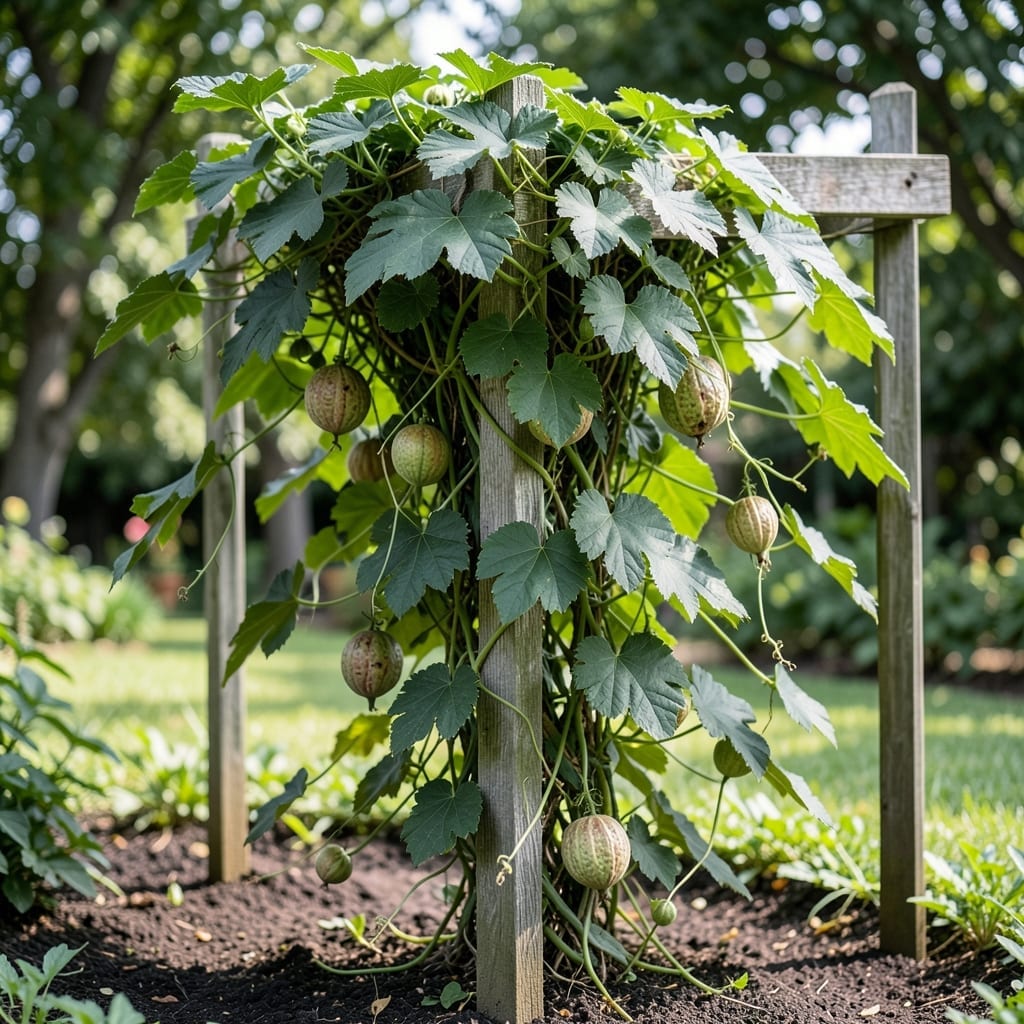
Those dark spots on your passionfruit vines aren’t just ugly—they’re a warning sign. I’ve seen healthy plants turn into spotty messes overnight, and the culprit is usually one of three things: fungus, pests, or poor growing conditions.
Here’s the thing—most gardeners panic and reach for harsh chemicals. The real solution starts with proper identification. Brown spots with yellow halos? Probably fungus. Tiny black dots? Look closer for scale insects.
Treatment works best when you catch it early. A simple copper spray handles most fungal issues, while neem oil takes care of pests without harming beneficial bugs. Prevention is even easier: improve airflow and avoid overhead watering.
Your vines can bounce back faster than you think. With the right approach, you’ll see new, spot-free growth within 2-3 weeks.
Spots on passionfruit can stem from several biological and environmental factors. Understanding the root cause is key to effective treatment and prevention.
Fungal pathogens like Alternaria or Phytophthora thrive in damp conditions, causing dark, water-soaked spots on leaves and fruit. These fungi spread via spores in wet, poorly ventilated environments. Overhead watering and crowded foliage exacerbate the issue.
Pests such as aphids, spider mites, or fruit flies pierce plant tissues, creating entry points for secondary infections. Their feeding often leaves behind small, discolored spots or stippling. Sticky residue (honeydew) from aphids can also promote sooty mold, which appears as black spots.
Extreme temperatures, sunburn, or nutrient deficiencies (e.g., calcium or potassium) can cause spotting. Sunburn manifests as white or yellow patches on exposed fruit, while nutrient deficiencies may lead to irregular, necrotic spots on leaves and fruit.
Bacteria like Xanthomonas or Pseudomonas cause angular, water-soaked lesions that turn brown or black. These spots often have a yellow halo and can merge, leading to tissue death. Bacteria enter through wounds or natural openings, spreading rapidly in warm, wet conditions.
Overwatering or poor drainage can lead to root rot, which manifests as yellowing leaves and dark spots. Conversely, underwatering causes stress spots due to inconsistent moisture uptake. Both scenarios weaken the plant, making it more susceptible to infections.
Dealing with spots on your passionfruit? Here’s how to tackle the most common causes and restore your plant’s health.
If you spot brown or black lesions, a fungal issue like anthracnose or leaf spot may be to blame. Remove infected leaves immediately to prevent spreading. Apply a copper-based fungicide or a homemade mix of baking soda and water (1 tbsp baking soda + 1 gallon water + a few drops of dish soap). Prevention tip: 💡 Space plants properly for airflow, and avoid overhead watering to keep foliage dry.
Yellow or white spots often signal pests like spider mites or aphids. Blast them off with a strong stream of water, then apply neem oil or insecticidal soap. For severe infestations, use a pyrethrin-based spray. Prevention tip: 🌿 Encourage beneficial insects like ladybugs, and inspect leaves regularly for early signs of pests.
Dark, water-soaked spots may indicate overwatering, while dry, crispy spots suggest underwatering. Adjust your watering schedule—passionfruit vines prefer consistent moisture but hate soggy roots. Use mulch to retain soil moisture and water deeply but infrequently. Prevention tip: ✨ Stick your finger an inch into the soil; water only if it feels dry.
Yellowing between leaf veins (interveinal chlorosis) often points to a lack of iron or magnesium. Use a balanced fertilizer or amend the soil with compost or Epsom salt (1 tbsp per gallon of water for magnesium). Prevention tip: 🎯 Test your soil annually and fertilize every 4-6 weeks during the growing season.
Act fast, and your passionfruit vine will bounce back stronger! 🌟
Fungal spots are usually brown or black with irregular edges, while pest damage appears as tiny dots or stippling. Check undersides of leaves for bugs or sticky residue.
Yes, but wash it thoroughly. Spots on fruit skin don’t affect the edible pulp inside unless the fruit is rotting or split open. Remove any visibly damaged areas.
Remove affected leaves immediately and apply neem oil or copper fungicide. Improve airflow by pruning dense growth. This can halt spread within 48 hours.
A mix of 1 tbsp baking soda + 1 gallon water + dish soap works for fungus. For pests, spray with soapy water or introduce ladybugs.