
Beautiful Plants For Your Interior
Beautiful Plants For Your Interior
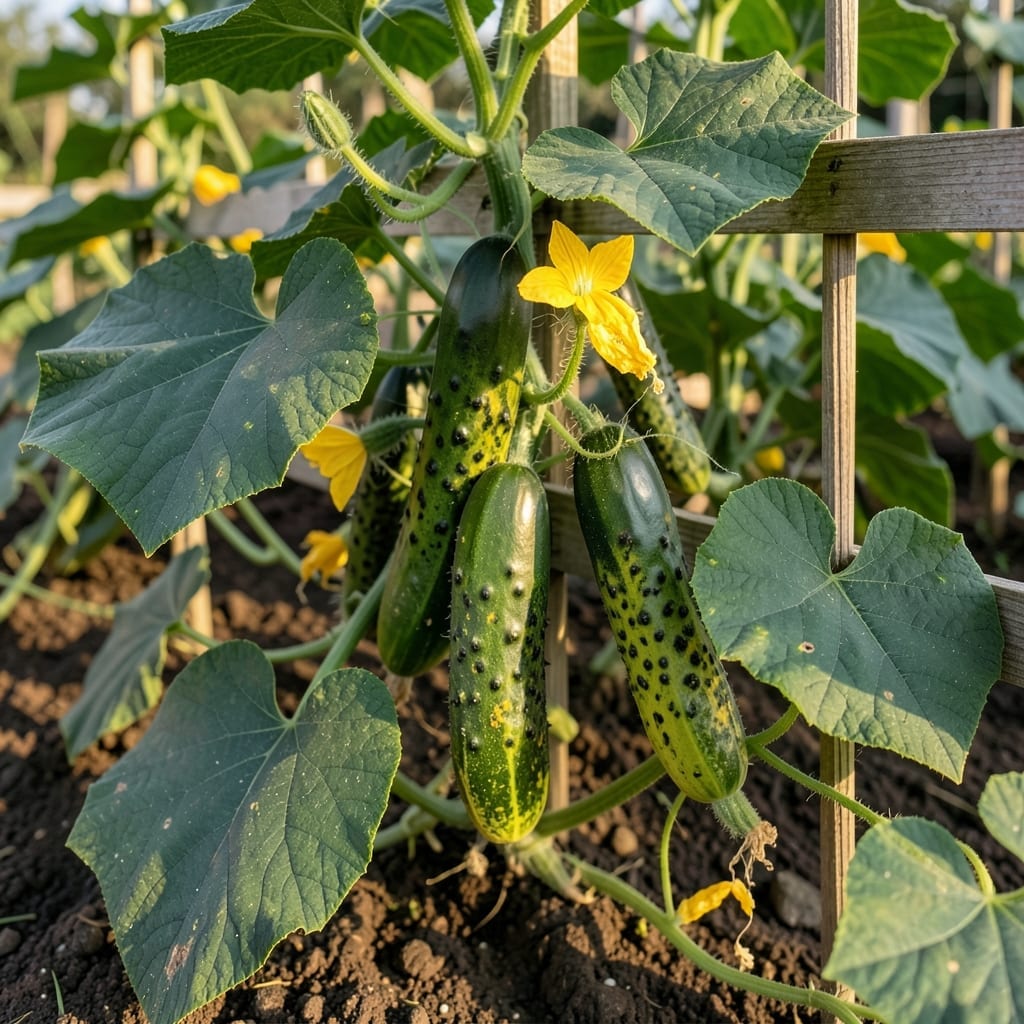
Nothing ruins a promising cucumber harvest like those sudden yellow or brown spots. I’ve lost entire crops to this before, but now I catch the warning signs early—before the damage spreads.
Most spots come from three culprits: fungal infections, pest activity, or environmental stress. The good news? Each has a foolproof organic fix once you identify the pattern. A little observation goes a long way.
With the right approach, your plants can recover quickly. I’ve saved more than a few vines with simple tweaks to watering, spacing, and natural sprays. The key is acting fast.
This guide helps you diagnose the issue and stop it in its tracks. Your cucumbers will thank you with a healthy, spot-free harvest.
Spots on cucumbers can stem from several environmental, fungal, or pest-related issues. Understanding the root cause is key to effective treatment and prevention.
Fungi like Alternaria or Anthracnose thrive in wet, humid conditions, leading to dark, sunken spots on leaves and fruits. These pathogens spread via spores in water or wind, infecting plants through wounds or stomata. Overhead watering and poor air circulation exacerbate the problem.
Insects such as cucumber beetles or spider mites create entry points for diseases by feeding on foliage and fruits. Their bites often result in small, irregular spots or yellowing areas. Beetles also transmit bacterial wilt, which causes systemic spotting and decline.
Inconsistent watering, extreme temperatures, or nutrient deficiencies (e.g., calcium or magnesium) can cause physiological spotting. For example, blossom-end rot appears as water-soaked, dark spots on the fruit’s blossom end due to calcium imbalance during rapid growth.
Bacteria like Pseudomonas syringae cause angular leaf spots, which later merge into larger necrotic patches. These pathogens enter through natural openings or wounds, often spread by splashing water or contaminated tools.
Identifying the cause early helps tailor organic fixes, such as improving airflow, removing infected debris, or applying neem oil for pests.
Dealing with spots on cucumbers starts with identifying the cause and applying the right fix. Here’s a practical guide to tackle common issues:
Fix: Remove infected leaves immediately and apply a baking soda solution (1 tsp baking soda + 1 quart water + a drop of dish soap) every 5–7 days. For severe cases, use neem oil or copper-based fungicides.
Prevention: Improve airflow by spacing plants 12–18 inches apart. Water at the base in the morning to keep foliage dry. 💡 Pro Tip: Mulch with straw to prevent soil-borne spores from splashing onto leaves.
Fix: Blast pests off with a strong stream of water. Apply insecticidal soap or introduce beneficial insects like ladybugs. For stubborn infestations, use pyrethrin-based sprays at dusk.
Prevention: Inspect leaves weekly, especially the undersides. Plant companion herbs like basil or dill to repel pests naturally. ✨
Fix: For yellow spots (magnesium deficiency), apply Epsom salt spray (1 tbsp per gallon of water). For blossom-end rot (calcium deficiency), add crushed eggshells to the soil or use a calcium-rich foliar spray.
Prevention: Test soil before planting and amend with compost. Maintain consistent moisture levels to ensure nutrient uptake. 🎯
Fix: For water spots (overwatering), let the soil dry slightly between waterings. For white/yellow patches (sunburn), provide shade cloth during peak afternoon sun.
Prevention: Use drip irrigation to avoid wetting leaves. Acclimate seedlings gradually to full sun. 🌡️
Act fast at the first sign of trouble, and your cucumbers will bounce back stronger!
Pest spots are often irregular with bite marks or webbing. Disease spots have defined edges and may spread in patterns. Check undersides of leaves for insects to confirm.
Yes, untreated fungal or bacterial spots can move from foliage to fruits. Remove affected leaves immediately and apply organic treatments like neem oil to stop the spread.
Overwatering creates perfect conditions for fungal growth. Let soil dry slightly between waterings and always water at the base, not the leaves.
Not always. While magnesium deficiency causes yellowing, pests or fungal infections can create similar patterns. Test soil and inspect plants carefully before treating.