
Beautiful Plants For Your Interior
Beautiful Plants For Your Interior
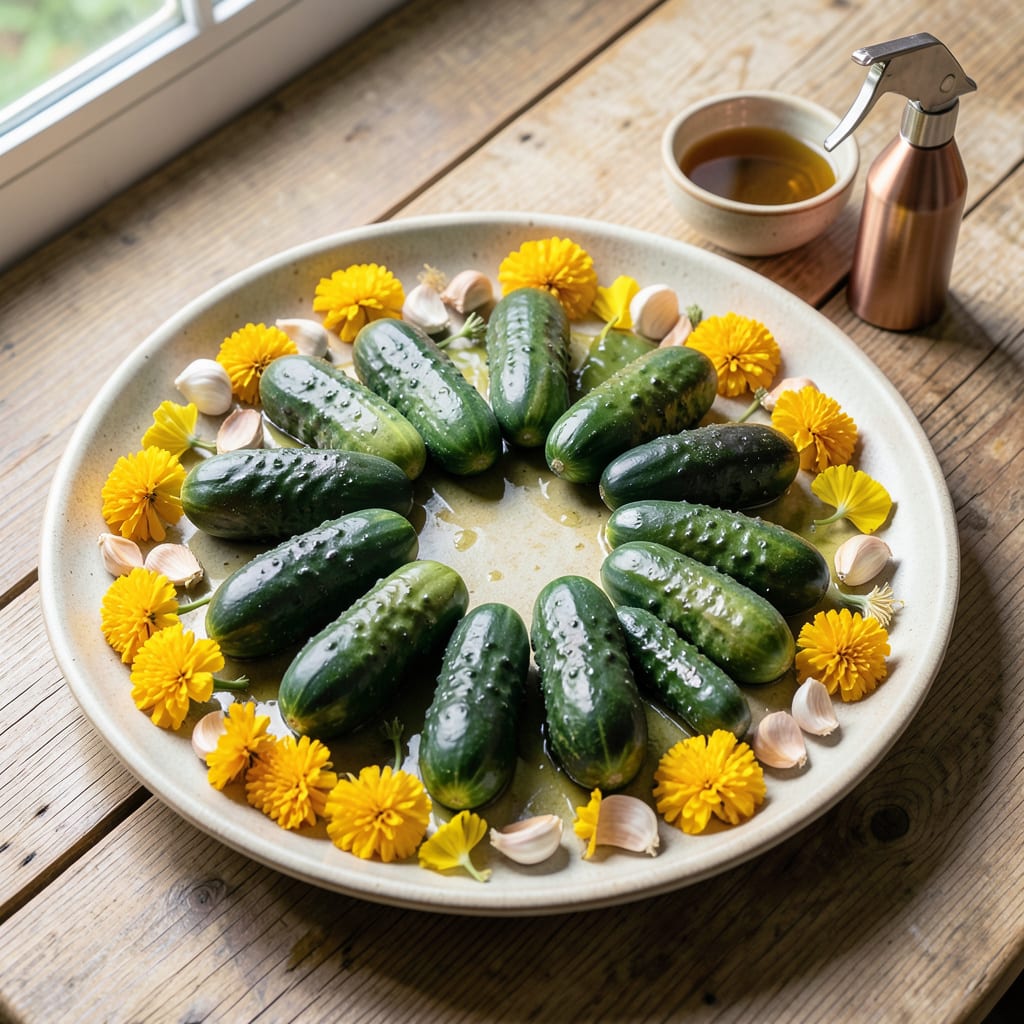
Watching cucumber vines wilt overnight is heartbreaking. I lost an entire patch to this last summer before realizing the culprit was bacterial wilt, not drought or pests.
Copper-based sprays create a protective barrier that stops the bacteria from spreading. Combined with strict sanitation—removing infected plants, cleaning tools, and rotating crops—it’s possible to save the rest of your garden.
Resistant varieties like ‘County Fair’ and ‘Salad Bush’ give you a head start. Still, even the toughest plants need the right protocol to thrive when this disease strikes.
This isn’t a one-and-done fix. It’s a season-long commitment to keeping your cucumbers healthy and productive.
Bacterial wilt in cucumbers is primarily caused by Erwinia tracheiphila, a destructive pathogen that thrives in warm, humid conditions. Understanding the root causes helps in preventing and managing this disease effectively. Below are the key factors that lead to its occurrence.
The most common vector for bacterial wilt is the striped and spotted cucumber beetles. These pests carry the bacteria in their digestive systems and transmit it to healthy plants as they feed. The bacteria enter the plant through wounds created by the beetles’ chewing, quickly spreading through the vascular system and blocking water flow.
The pathogen can survive in soil and plant debris from previous seasons, especially in fields with a history of cucurbit crops. Overhead irrigation or heavy rainfall can splash contaminated soil onto plant leaves, providing entry points for the bacteria. Poor drainage and waterlogged conditions further exacerbate the problem by stressing the plants and making them more susceptible.
Failure to remove and destroy infected plant material allows the bacteria to persist and spread. Tools, stakes, or even human hands can transfer the pathogen from one plant to another if not properly sanitized. Crop rotation is often neglected, leading to repeated outbreaks in the same area.
Plants under stress from drought, nutrient deficiencies, or extreme temperatures are more vulnerable to infection. Weakened plants lack the vigor to resist bacterial invasion, allowing the disease to take hold more easily. High humidity and warm temperatures (75–85°F) create ideal conditions for the bacteria to multiply rapidly.
Once bacterial wilt strikes your cucumber plants, quick action is key to saving your crop. Below are practical solutions mapped to common causes, along with prevention tips to keep your garden healthy.
If the bacteria entered through contaminated soil or tools, start by removing and destroying infected plants immediately. Do not compost them. Then, sterilize gardening tools with a 10% bleach solution or rubbing alcohol to prevent further spread. Rotate crops next season to avoid replanting cucumbers in the same spot.
Cucumber beetles spread the bacteria as they feed. Apply floating row covers early in the season to block beetles from reaching plants. For existing infestations, use kaolin clay spray or neem oil to deter them. In severe cases, consider targeted insecticides labeled for cucumber beetles. 💡 Pro tip: Plant radishes or nasturtiums nearby as trap crops to lure beetles away.
Wet foliage spreads bacteria quickly. Water at the base of plants using drip irrigation or a soaker hose to keep leaves dry. If you must use overhead watering, do it early in the day so foliage dries before evening. Mulch around plants to reduce soil splashing onto leaves.
Prevent future outbreaks by planting wilt-resistant cucumber varieties like ‘Saladin’, ‘Little Leaf’, or ‘County Fair’. These varieties are bred to withstand bacterial wilt better than traditional types. Always source seeds from reputable suppliers to ensure disease-free stock.
Prevention is your best defense. Practice crop rotation, keep your garden clean of debris, and monitor plants regularly for early signs of wilting or beetle activity. A little vigilance goes a long way in protecting your harvest!
It can wipe out plants in just 2-3 days after symptoms appear. The bacteria block water flow, causing rapid wilting, especially in hot weather.
Unfortunately, infected plants can’t be cured and should be removed immediately. Focus on protecting healthy plants with copper sprays and sanitation.
Use floating row covers early in the season and plant trap crops like radishes. Kaolin clay sprays also deter beetles effectively.
Wait at least 2-3 years before replanting cucumbers or related crops in the same spot. This breaks the bacteria’s life cycle.
