
Beautiful Plants For Your Interior
Beautiful Plants For Your Interior
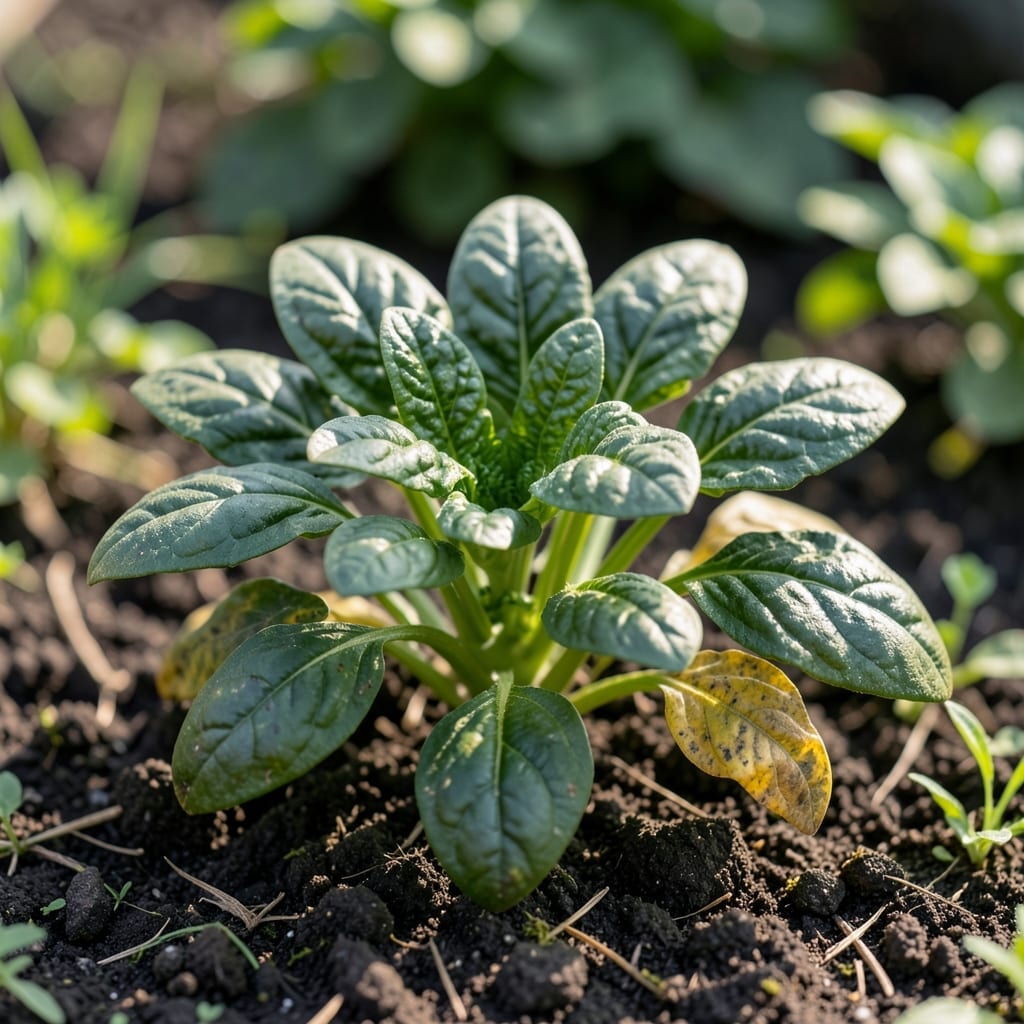
Yellow spinach leaves had me stumped last season. Turns out, they’re your plant’s way of sending an SOS—usually about water, nutrients, or a sneaky pest.
I’ve saved more spinach patches than I can count by learning to read these signals early. Overwatering drowns roots, while too little leaves them parched. The fix often starts with checking the soil’s moisture and texture first.
Nutrient shortages, like nitrogen or iron, show up as yellow patterns between veins. A simple soil test or organic amendment can turn things around in 1-2 weeks.
Prevention is simpler than cure. Rotate crops, space plants properly, and keep an eye on pests. Healthy spinach starts with these small, consistent habits.
Spinach leaves turn yellow due to several stress factors, often signaling underlying issues in care or environment. Below are the most common causes, explained with actionable insights.
Yellowing often stems from nitrogen, iron, or magnesium shortages. Nitrogen deficiency causes uniform yellowing (starting with older leaves), while iron deficiency leads to interveinal chlorosis—yellow leaves with green veins. Magnesium lack appears as yellow patches between veins. Fix: Test soil and amend with organic compost or a balanced fertilizer (e.g., 10-10-10).
Excess moisture suffocates roots, blocking nutrient uptake. Symptoms include soft, yellowing leaves and wilting. Spinach prefers consistently moist (not soggy) soil. Fix: Ensure pots have drainage holes; use well-draining soil. Water only when the top inch of soil feels dry.
Spinach thrives in cool weather (60–70°F). Heat stress (>80°F) or bolting (premature flowering) triggers yellowing. Too little light (under 6 hours daily) also weakens plants. Fix: Provide afternoon shade in warm climates; use row covers to regulate temperature.
Aphids, spider mites, or fungal diseases (e.g., downy mildew) sap nutrients, causing yellow spots or mottling. Inspect leaf undersides for pests or white fungal growth. Fix: Spray with neem oil or insecticidal soap; remove infected leaves promptly to prevent spread.
Spinach prefers slightly acidic to neutral soil (pH 6.5–7.0). Extreme pH locks out nutrients, even if present. Fix: Test soil pH and adjust with lime (to raise pH) or sulfur (to lower pH) as needed.
Yellowing spinach leaves can often be reversed with the right care. Below are targeted solutions for common causes, along with prevention tips to keep your plants thriving.
If the issue is a lack of nitrogen, magnesium, or iron:
Soggy roots lead to yellowing and root rot:
Too much sun or heat can scorch leaves, while cold can stunt growth:
Aphids, spider mites, or fungal infections (e.g., downy mildew) cause yellowing:
💡 Pro Tip: Regularly inspect leaves for early signs of trouble—catching issues early makes revival much easier!
Not always. It often signals care issues like overwatering or nutrient shortages. Only yellowing with spots or patterns usually means disease or pests.
Yes, if the yellowing is from age or minor stress. Discard leaves with spots, mold, or pest damage to avoid contamination.
With proper fixes (like adjusting water or adding nutrients), new growth should appear green in 1-2 weeks. Older leaves may not recover.
Plants prioritize nutrients for new growth. Older leaves yellow first with nitrogen deficiency as the plant redirects resources.