
Beautiful Plants For Your Interior
Beautiful Plants For Your Interior
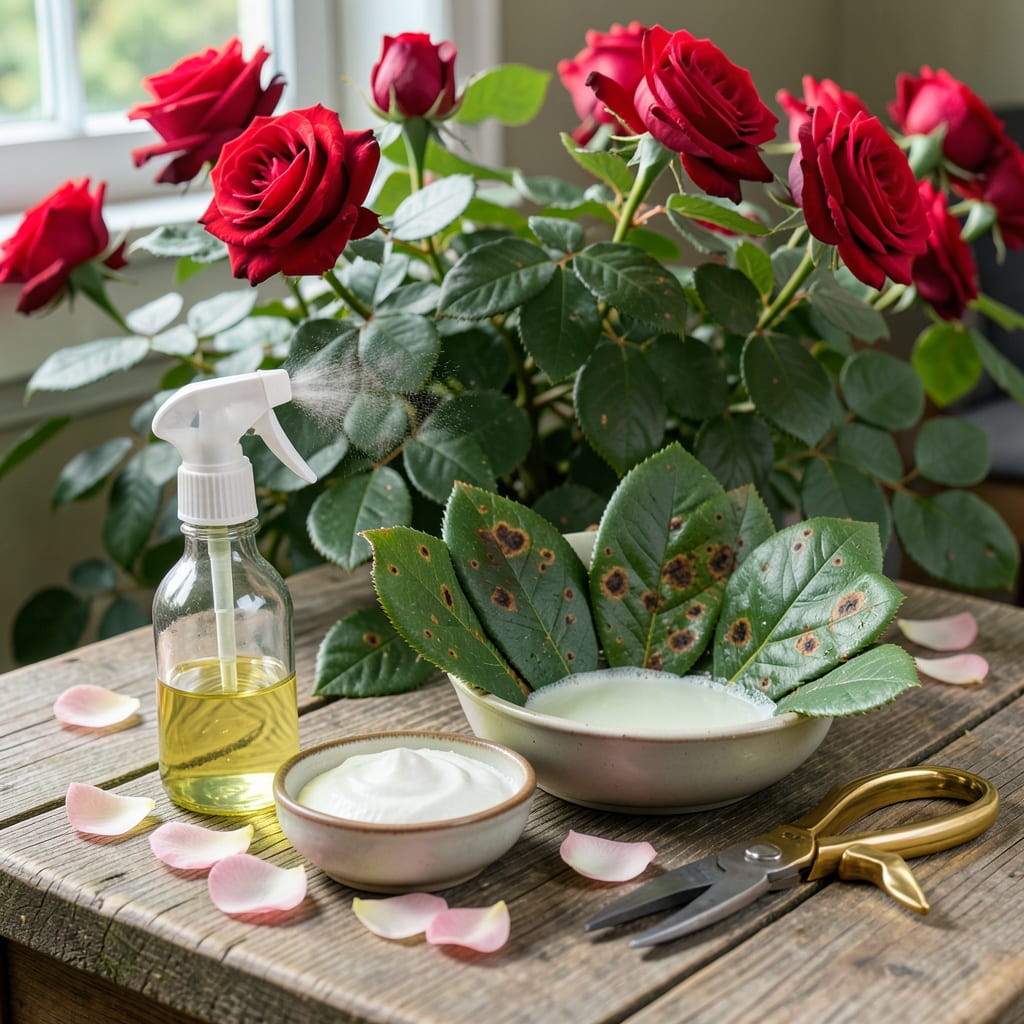
Brown spots on rose leaves ruined my garden’s showstoppers last summer. Here’s the thing—it’s usually black spot fungus, and it spreads fast if you ignore it.
I tried everything before landing on a foolproof organic cure. The key is catching it early and treating consistently. You’ll need simple supplies and about 20 minutes a week to turn things around.
Your roses will bounce back with vibrant green leaves and stronger blooms. The same method prevents future outbreaks, so you’re not just treating—you’re protecting.
Works for all rose varieties, from climbers to shrubs. No harsh chemicals, just effective, natural solutions.
Brown spots on rose leaves are often a sign of underlying issues, ranging from fungal infections to environmental stressors. Here’s a breakdown of the most common causes:
The primary culprit is Diplocarpon rosae, the fungus behind black spot disease. It thrives in warm, humid conditions, spreading via water splashes or contaminated tools. The spores infect leaves, causing circular brown or black spots with feathery edges. Left untreated, it defoliates the plant, weakening its vigor.
Overwatering or poor drainage creates a breeding ground for root rot and foliar diseases. Roses need consistent moisture but hate wet feet. Soggy soil suffocates roots, reducing their ability to absorb nutrients, which manifests as brown, crispy leaf spots. Conversely, underwatering leads to drought stress, causing scorched brown patches.
Intense sunlight, especially in hot climates, can scorch rose leaves, leaving dry, brown patches. Similarly, cold drafts or sudden temperature drops shock the plant, disrupting its cellular function and leading to necrosis (dead tissue). Windburn from harsh, dry winds can also cause similar browning.
Sap-sucking pests like aphids, spider mites, and thrips pierce leaf tissues, creating entry points for pathogens. Their feeding stress weakens the plant, and their sticky honeydew residue promotes sooty mold, which appears as dark, brownish-black spots. Severe infestations lead to stunted growth and widespread browning.
Lack of essential nutrients, particularly magnesium (interveinal chlorosis) or potassium, can cause brown spotting. Magnesium deficiency often starts as yellowing between veins, progressing to brown, crisp edges. Potassium deficiency leads to scorched leaf margins, especially on older leaves.
Brown spots on rose leaves can stem from various causes, but each has a clear solution. Below are targeted fixes for common culprits, along with prevention tips to keep your roses thriving.
Fix: Remove infected leaves immediately and dispose of them (do not compost). Spray the plant with a baking soda solution (1 tsp baking soda + 1 quart water + a few drops of dish soap) or neem oil (mix 2 tbsp neem oil + 1 gallon water + 1 tsp dish soap). Apply every 7–10 days until spots disappear.
Prevent: Water at the base of the plant (avoid wetting leaves) and ensure good air circulation. Prune dense foliage to reduce humidity. 💡 Pro Tip: Mulch with straw to prevent soil-borne spores from splashing onto leaves.
Fix: Blast pests off with a strong stream of water, then apply insecticidal soap or horticultural oil. For severe infestations, introduce beneficial insects like ladybugs or lacewings.
Prevent: Inspect leaves weekly (check undersides!) and encourage natural predators. 🎯 Pro Tip: Plant companion flowers like marigolds or lavender to deter pests naturally.
Fix: Let the soil dry slightly between waterings. If the soil is waterlogged, improve drainage by amending with compost or sand. Trim any roots showing rot (mushy, dark brown).
Prevent: Water deeply but less frequently (1–2 times per week, depending on climate). Use a moisture meter to avoid guesswork. ✨ Pro Tip: Raise rose beds or use containers with drainage holes for better control.
Fix: Shield roses from harsh afternoon sun with shade cloth. If chemical burn is suspected (e.g., from fertilizers or herbicides), flush the soil with water to dilute residues. Prune damaged leaves to redirect energy.
Prevent: Apply fertilizers at half-strength and avoid spraying on hot, sunny days. 🌿 Pro Tip: Use organic fertilizers like compost tea to reduce the risk of chemical burn.
A mild dish soap solution can help with pests but won’t cure fungal issues. For best results, mix 1 tsp dish soap with 1 quart water and spray weekly. Always rinse leaves after 24 hours to prevent damage.
Water deeply 1-2 times per week, allowing soil to dry slightly between sessions. Use a moisture meter to avoid overwatering, which encourages fungal growth. Morning watering is ideal.
Yes, but only if you dispose of them properly. Never compost infected leaves—this spreads spores. Bag and trash them, then sanitize pruners with rubbing alcohol.
Prune all spotted leaves, apply neem oil, and improve airflow. For quick recovery, add 1 tbsp Epsom salt to 1 gallon water and spray leaves weekly. Results appear in 2-3 weeks.
