
Beautiful Plants For Your Interior
Beautiful Plants For Your Interior
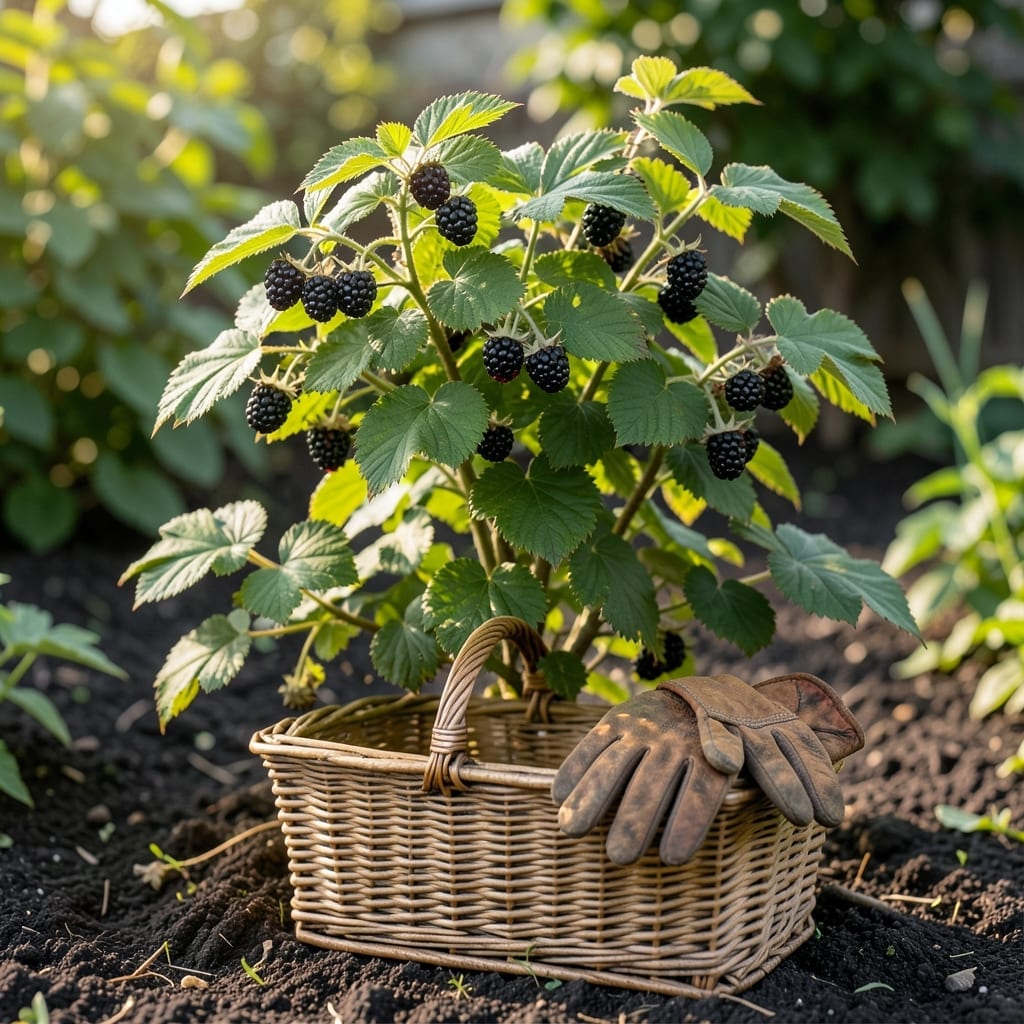
Spotted a bush loaded with small black berries and wondering if they’re edible? I’ve been there—standing in the woods, debating whether to taste or leave be. Some are delicious, others dangerous.
Identifying wild berries starts with the plant itself. Note leaf shape, growth pattern, and location. Even edible ones can have lookalikes, so never rely on berry color alone.
Once identified, you’ll know if it’s safe for jams, jellies, or just wildlife. Some bushes thrive with minimal care, while others need removal if they’re invasive or toxic.
This guide helps you tell the difference with confidence. No guesswork, just clear steps to keep you safe and your garden thriving.
The presence of small black berries on a bush is rarely random—they’re the result of specific biological, ecological, and seasonal triggers. Below are the primary causes, explained with actionable insights for foragers and gardeners.
Many shrubs, like Sambucus (elderberry) or Rubus (blackberry), produce small black berries as part of their reproductive cycle. These fruits develop after pollination, when flowers transform into berries to encase seeds. The dark pigment (anthocyanins) attracts birds and wildlife, which disperse seeds after consumption. Action: If you’re cultivating berry bushes, ensure pollinators (bees, butterflies) have access to boost fruit set.
Some bushes evolve to produce black berries as a survival mechanism. Dark pigments can deter pests or signal ripeness to dispersers. In shaded or nutrient-poor areas, bushes like Vaccinium (huckleberry) may produce smaller, darker berries to conserve energy. Action: Test soil pH and amend with compost if berries appear stunted or overly sparse.
Black berries often ripen in late summer or early fall, triggered by temperature shifts and daylight changes. For example, Cornus (dogwood) berries turn black as they mature. Premature blackening can indicate stress (e.g., drought or disease). Action: Monitor berry color progression weekly to catch issues early.
Wild bushes may produce more black berries if they’re in disturbed areas (e.g., edges of ponds or trails), where soil disruption or animal activity spreads seeds. Over-fertilization can also cause excessive berry production. Action: Avoid over-fertilizing; opt for organic mulch to support natural growth.
If you’ve identified small black berries on a bush in your yard or garden and want to control their spread or remove them, here’s how to tackle the most common issues:
Wild berry bushes like blackberries or elderberries can quickly take over a space. Trim back aggressive shoots in early spring or late winter while the plant is dormant. Use sharp pruners to cut canes at ground level, and remove any suckers growing away from the main plant. Prevention tip: 💡 Install a root barrier or plant in containers to limit spread.
If berry bushes are sprouting where you don’t want them, hand-pull young plants before they establish deep roots. For tougher shrubs, use a shovel to dig out the entire root system. Prevention tip: 🎯 Apply a thick layer of mulch to suppress new growth from seeds.
Bushes with small black berries often attract pests like aphids or Japanese beetles. Spray with neem oil or insecticidal soap at the first sign of trouble, focusing on the undersides of leaves. Prevention tip: ✨ Encourage beneficial insects (like ladybugs) by planting companion flowers nearby.
Powdery mildew or leaf spot can weaken berry bushes. Thin out dense branches to improve air circulation, and water at the base (not the leaves) to reduce moisture. Remove and destroy infected foliage immediately. Prevention tip: 🌡️ Space plants properly and choose disease-resistant varieties.
For edible berries, always confirm identification before consuming, as some look-alikes can be toxic!
Not all black berries are edible—some are toxic. Always confirm identification first. For example, elderberries must be cooked, while blackberries are safe raw. When in doubt, leave them for wildlife.
Ripe black berries are deep in color, slightly soft, and come off the bush easily. Unripe ones may be red, purple, or hard. Taste a tiny amount first—bitter or sour flavors may mean they’re not ready.
Blackberries, elderberries, and huckleberries are frequent culprits. Look at the leaves and growth pattern—thorny canes suggest blackberries, while smooth stems may indicate elderberry.
Poor soil, lack of water, or too much shade can cause small berries. Test your soil and amend with compost. Ensure 6-8 hours of sunlight daily for best results.