
Beautiful Plants For Your Interior
Beautiful Plants For Your Interior
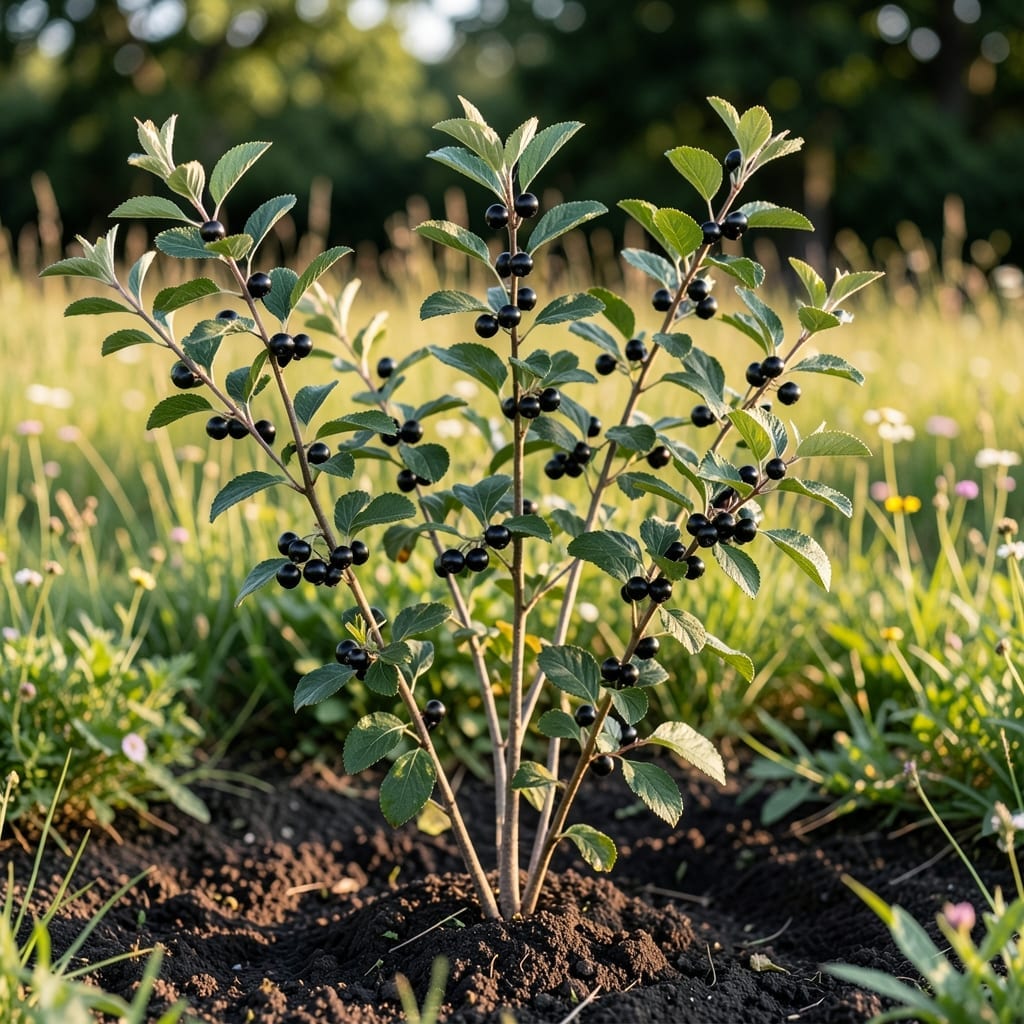
I spent years confusing mulberry fruits with blackberries until I learned the key differences. These trees produce clusters that look nearly identical, but knowing which is which can save you from a toxic mistake.
Some bear sweet, edible berries perfect for jams or fresh eating, while others produce inedible or even dangerous lookalikes. The shape, color progression, and leaf arrangement give them away if you know what to look for.
Growing these trees adds beauty and wildlife value to your landscape. They thrive in full sun with well-draining soil, and most need minimal care once established. Some even tolerate drought better than traditional fruit trees.
Whether you want harvests or just ornamental appeal, proper identification ensures you plant the right variety for your needs. Here’s how to tell them apart.
Nature loves repetition, and the striking resemblance between some tree berries and blackberries isn’t just a coincidence. Here’s why this visual mimicry occurs:
Many trees produce berries that mimic blackberries as a survival strategy. Birds and animals are naturally drawn to blackberries because they’re a familiar, nutrient-rich food source. By evolving similar-looking berries, trees trick these creatures into eating and dispersing their seeds—even if the berries are toxic. This Batesian mimicry helps non-edible species thrive by piggybacking on the reputation of edible ones.
Some trees belong to the same botanical family (Rosaceae) as blackberry bushes, leading to physical similarities in fruit structure. For example, serviceberry (Amelanchier) and hawthorn (Crataegus) produce berry-like drupes that cluster like blackberries. Their genetic closeness results in overlapping traits, including color, shape, and growth patterns.
Stressors like poor soil, drought, or disease can alter a tree’s berry development, causing unusual coloration or clustering that resembles blackberries. Additionally, hybrid species or cultivated varieties may intentionally or accidentally develop traits that blur the lines between edible and inedible fruits. Always verify before consuming!
If you’ve spotted trees with berries resembling blackberries, proper identification is key to avoiding toxic lookalikes. Here’s how to solve common confusion points:
Blackberry-like berries on trees often grow in tight clusters, but toxic varieties (e.g., bittersweet nightshade) may have solitary berries or loose bunches. Fix: Observe the arrangement—true edible blackberries (from brambles) grow in aggregates, while tree berries like elderberry or serviceberry form umbels or racemes. Use a field guide app (e.g., iNaturalist) to compare.
Prevention: Never eat berries without confirming the plant’s entire structure—leaves, bark, and stem are just as telling as the fruit.
Unripe toxic berries (e.g., pokeberry) can mimic blackberries’ deep purple-black hue. Fix: Ripe edible berries (like mulberries) will be uniformly dark, plump, and dull, while poisonous ones often have a glossy, almost plastic sheen or red/purple streaks. When in doubt, cut one open—edible berries have consistent flesh; toxic ones may reveal green centers or milk sap.
Prevention: 💡 Pro Tip: Sample one berry first (if confirmed safe) and wait 24 hours to monitor for reactions before consuming more.
Leaves are a dead giveaway. Fix: Edible blackberry relatives (e.g., thimbleberry) have palmate, lobed leaves, while toxic doppelgängers like belladonna feature ovate, smooth-edged leaves. Compare with trusted photos before touching.
Prevention: Carry a pocket magnifier to inspect leaf veins and stems—many poisonous plants have milky sap or thorns in unusual places.
When unsure, leave it be. Even experts rely on multiple checks—never guess with wild berries!
No, many are toxic. Always confirm the species first. Edible options include mulberries, while deadly nightshade berries can look similar. When in doubt, leave it!
Check the cluster pattern, leaf shape, and berry sheen. Edible ones like serviceberries grow in loose clusters and have dull surfaces. Toxic berries often shine or grow singly.
Use a field guide app and examine the entire plant—berries, leaves, bark, and growth habit. Compare with verified photos before making any assumptions.