
Beautiful Plants For Your Interior
Beautiful Plants For Your Interior
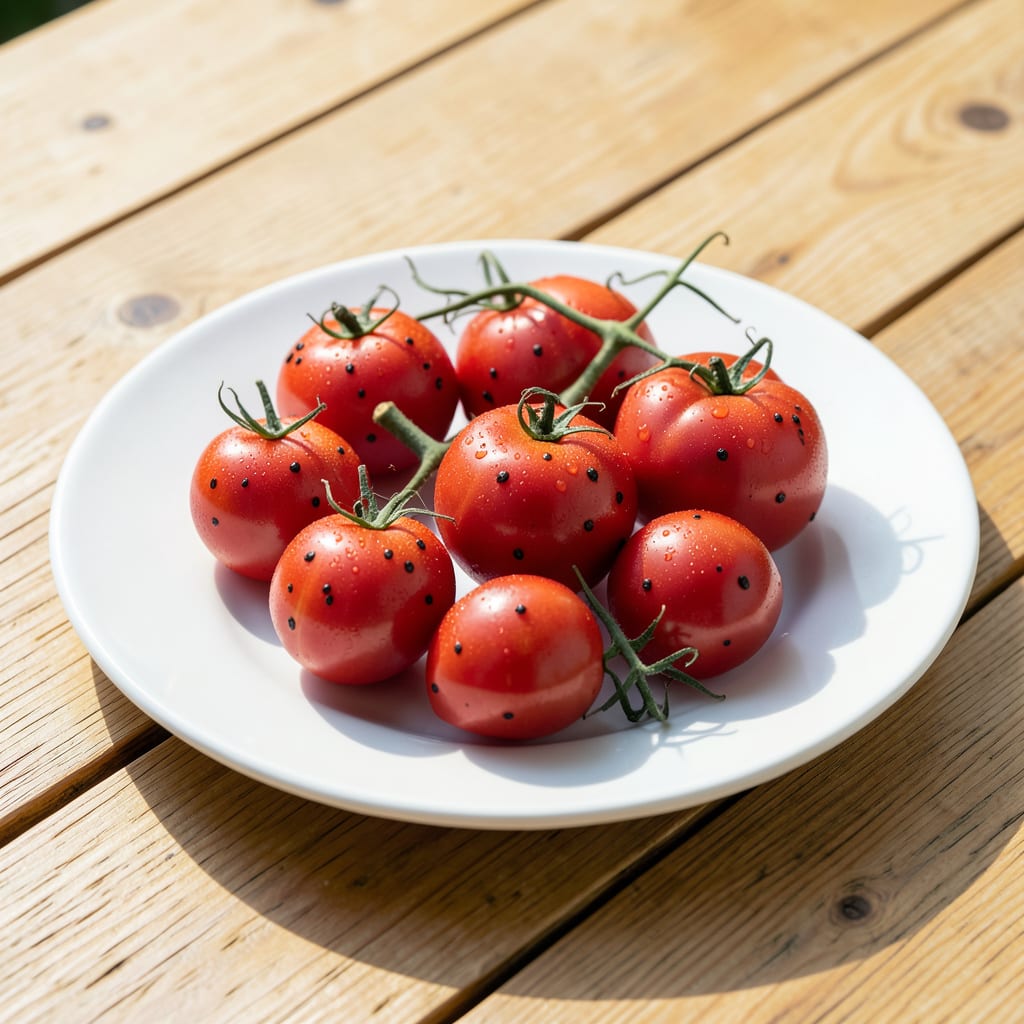
Those tiny black dots on your tomatoes aren’t just ugly—they’re a warning. I’ve seen early spot, anthracnose, and even spider mite damage that starts just like this, and catching it now means saving your crop.
The culprits usually fall into three camps: fungal infections, pest activity, or environmental stress. Each leaves a slightly different mark, but all spread fast in warm, wet conditions. Left unchecked, you’ll lose 30-50% of your harvest.
Natural fixes work surprisingly well if you act early. Copper sprays, neem oil, and better air circulation can stop the spread. The key is identifying which issue you’re actually dealing with first.
Prevention next season starts with crop rotation and resistant varieties. For now, let’s diagnose and treat what’s already there.
Small black spots on tomatoes often stem from environmental stress, pests, or diseases. Below are the most common causes, explained scientifically and with actionable insights.
This physiological disorder occurs when calcium uptake is disrupted, often due to inconsistent watering or soil pH imbalances. The cell walls in the fruit break down, leading to dark, sunken spots at the blossom end. Tomatoes need steady moisture to transport calcium from the soil to developing fruit.
Early blight (Alternaria solani) causes concentric black spots on lower leaves and fruit, while anthracnose (Colletotrichum spp.) creates sunken, circular lesions. Both thrive in wet, humid conditions. Spores spread via splashing water or contaminated tools, infecting vulnerable tomato tissues.
Stink bugs and thrips pierce tomato skins to feed, leaving behind tiny black or brown spots where enzymes in their saliva cause cell death. These pests are most active in hot, dry weather and often target ripening fruit.
Extreme heat or sudden cold snaps can cause uneven ripening or necrosis, manifesting as black spots. Sunburn (from excessive UV exposure) also creates dark, leathery patches on exposed fruit. Proteins and cell membranes degrade under stress, leading to discoloration.
Soggy soil suffocates roots, reducing oxygen uptake and promoting root rot pathogens like Phytophthora. As roots die back, the plant struggles to absorb nutrients, and fruit may develop black spots due to nutritional deficiencies or secondary infections.
Tackling those pesky small black spots on tomatoes starts with identifying the cause. Below are targeted fixes for the most common culprits, along with prevention tips to keep your plants healthy.
💡 Pro Tip: Rotate tomato plants yearly to prevent soil-borne diseases and pests from recurring in the same spot.
Small black spots from early blight or sunburn are generally safe if the tomato is otherwise firm. Cut off affected areas with 1-inch margin. Discard any mushy or moldy tomatoes.
Rotate crops yearly, use disease-resistant varieties, and maintain consistent watering. Add 2-3 inches of mulch to prevent soil splash that spreads fungal spores.
Neem oil treats fungal issues and pests but won’t fix nutrient deficiencies or sunburn. For calcium deficiency, use crushed eggshells or lime. Always apply neem in evening.
Yes! Soggy soil prevents root oxygen uptake, leading to nutrient deficiencies. Let top 1 inch of soil dry between waterings and ensure good drainage.
