
Beautiful Plants For Your Interior
Beautiful Plants For Your Interior
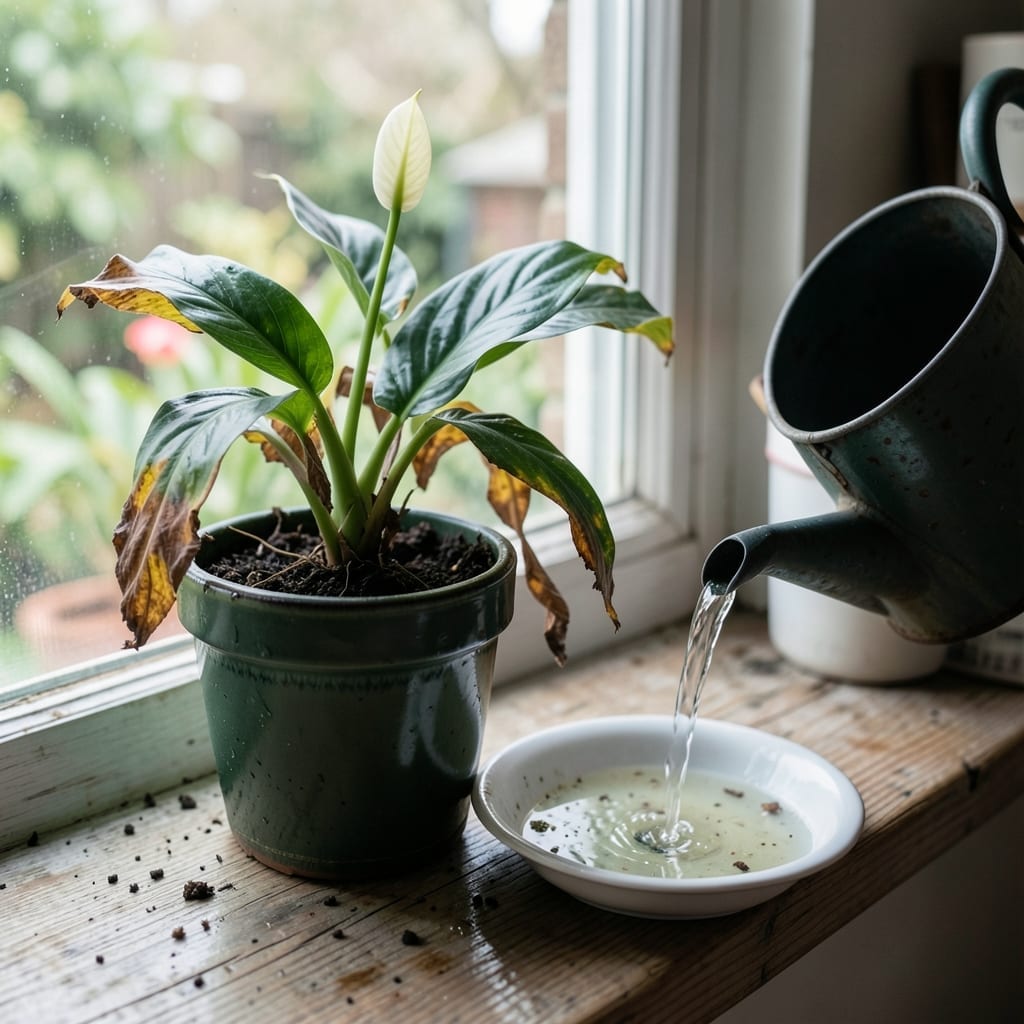
Yellow leaves and soggy soil mean you’ve probably been too generous with the watering can. I’ve drowned more plants through kindness than neglect, and the signs are always the same: drooping foliage that feels soft to the touch, not crisp.
The problem starts underground where roots can’t breathe. Your plants aren’t thirsty—they’re suffocating. Most people water on a schedule instead of checking the soil first, and that’s when root rot sets in.
Here’s the thing—most houseplants prefer to dry out between waterings. You’ll see recovery within a week once you adjust, with new growth following soon after. The key is consistency, not frequency.
Works for everything from ferns to fiddle leaf figs. Let’s get those roots breathing again.
Overwatering is a common issue that can harm even the most well-intended gardeners’ plants. Understanding the root causes helps prevent it and keeps your greens thriving. Here’s why it happens:
Plants suffocate when excess water can’t escape. If pots lack drainage holes or soil is too dense (like clay-heavy mixes), water pools around roots. This deprives them of oxygen, leading to root rot. Always use containers with drainage and a well-aerated potting mix.
Many people water on a rigid schedule rather than checking soil moisture. Plants’ needs vary by species, season, and environment. Stick your finger 1–2 inches into the soil—if it’s damp, wait. A moisture meter can also remove the guesswork.
Oversized pots hold more soil, which retains excess moisture longer than roots can absorb. Match pot size to the plant’s root ball—too big, and the soil stays soggy; too small, and roots can’t breathe.
Plants in dim or cold conditions (e.g., winter windowsills) use water more slowly. If you don’t adjust your watering frequency, the soil stays saturated. Reduce watering in low-light or dormant periods.
Once you’ve spotted the signs of overwatered plants, act fast to revive your green friends. Here’s how to tackle each issue with simple, effective fixes—and how to keep it from happening again.
If leaves are turning yellow, your plant is drowning. Stop watering immediately and let the soil dry out completely before the next drink. Check moisture by sticking your finger 1-2 inches into the soil—if it’s damp, wait. For prevention: water only when the top inch of soil is dry. Use a moisture meter for precision. 💡
Wilting despite wet soil? Your plant’s roots are suffocating. Repot in fresh, well-draining soil and ensure the pot has drainage holes. Add perlite or sand to the mix for better airflow. Prevention tip: always use pots with drainage holes and empty saucers after watering to avoid soggy roots. ✨
Soft, black stems or a foul smell mean root rot. Remove the plant from its pot, trim away mushy roots with sterilized scissors, and repot in clean, dry soil. For severe cases, treat remaining roots with a fungicide. To prevent: avoid overpotting—choose a pot just 1-2 inches larger than the root ball. 🎯
White mold or fungus on the surface? Scrape off the top layer of soil and replace it with fresh mix. Move the plant to a spot with better airflow or use a small fan to circulate air. Prevention: space plants apart and avoid misting leaves excessively. 🌡️
With these fixes, your plants will bounce back in no time—just listen to their needs and adjust your care routine!
Look for yellowing leaves, mushy stems, or soil that stays soggy for days. A foul smell from the pot is another red flag.
Too much water suffocates roots, preventing nutrient uptake. The plant can’t feed itself, causing leaves to turn yellow and drop.
Yes! Stop watering, improve drainage, and trim any rotten roots. Most plants bounce back within 1-2 weeks of proper care.
Check soil moisture first—water only when the top 1-2 inches are dry. This varies by plant type and environment.