
Beautiful Plants For Your Interior
Beautiful Plants For Your Interior
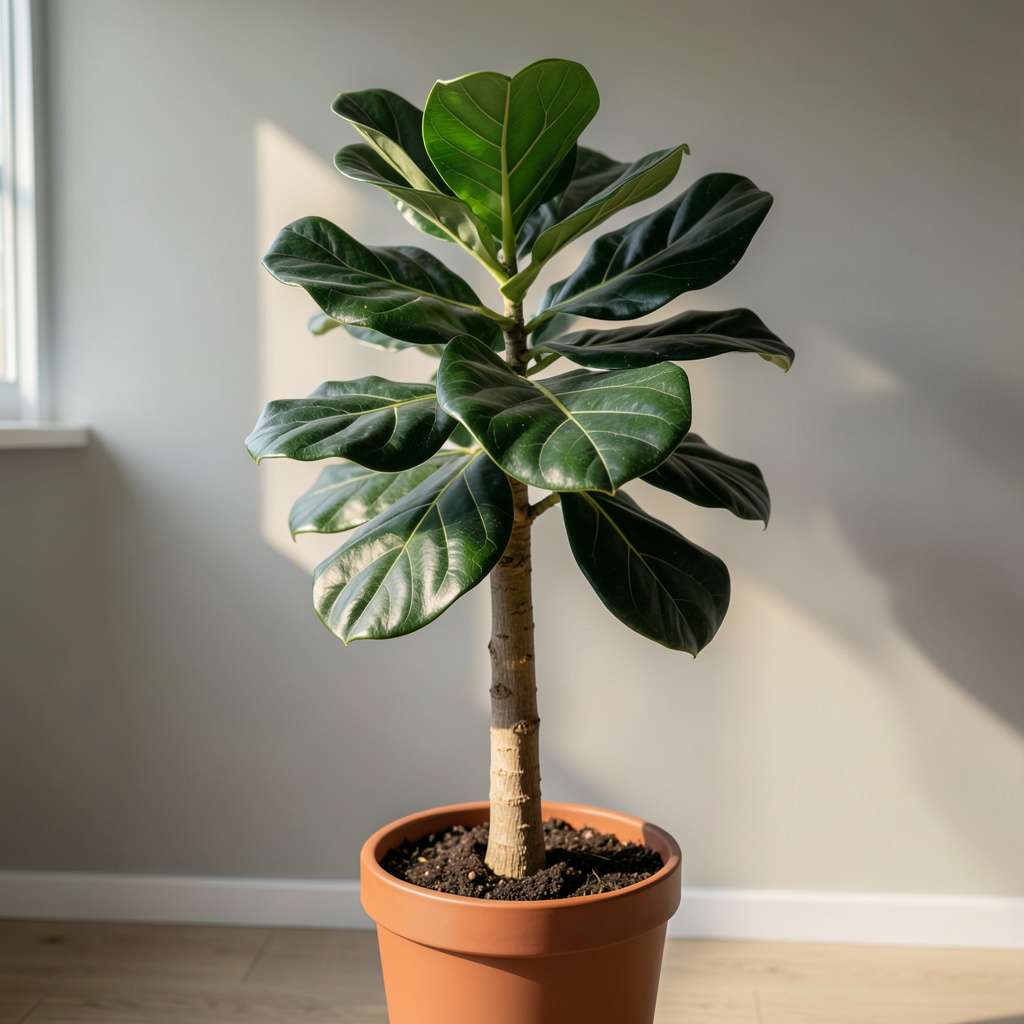
Fiddle leaf fig leaves drop primarily due to overwatering, underwatering, or sudden environmental changes. Check soil moisture, adjust light exposure, and maintain consistent temperatures between 60-75°F for quick recovery.
I’ve seen countless fiddle leaf figs bounce back when their owners understand the plant’s tropical origins. These beauties thrive in stable conditions that mimic their native rainforest understory—think warm, humid air with indirect light. 🌿 The most common mistake? Treating them like typical houseplants instead of the sensitive tropicals they are. A sudden draft from an air vent or inconsistent watering can trigger stress responses faster than you’d expect. What’s fascinating is how quickly they’ll recover once you stabilize their environment—often showing new growth within weeks when conditions are right.
💡 In This Article
When your fiddle leaf fig starts dropping leaves, it’s almost always a stress response to environmental changes. The most common culprit is overwatering, which creates anaerobic conditions in the soil. Roots need oxygen to function, and waterlogged soil suffocates them within 24-48 hours.
This triggers root rot, where beneficial microbes die off and harmful fungi like Phytophthora take over. 🌱 The plant then sheds leaves to conserve energy, starting with the oldest ones first.
On the flip side, underwatering causes equally dramatic leaf drop—but for different reasons. Fiddle leaf figs are tropical plants that evolved in consistently moist (but not soggy) conditions. When the soil dries out completely, the plant’s vascular system can’t transport nutrients efficiently. Leaves will first show brown, crispy edges before dropping.
I’ve seen plants lose 5-7 leaves in a week when left dry for too long. The key difference? Overwatered leaves feel soft and mushy, while underwatered leaves are dry and brittle.
Temperature fluctuations and low humidity create invisible stress that’s often overlooked. These plants thrive at 65-75°F with 40-60% humidity. When exposed to drafts from AC vents or temperatures below 55°F, their metabolic processes slow dramatically. The leaves can’t photosynthesize efficiently, so the plant jettisons them to survive. 🌡️ A single night near a cold window can trigger leaf drop that appears days later—this delayed reaction often confuses owners about the true cause.
Less obvious but equally damaging are nutrient deficiencies and pest infestations. Fiddle leaf figs are heavy feeders during growing season, requiring nitrogen for leaf production. Yellowing between leaf veins (interveinal chlorosis) signals magnesium deficiency, while overall pale leaves indicate nitrogen shortage.
Spider mites—tiny pests that thrive in dry air—suck sap from leaves, causing stippling and eventual drop. What’s tricky is these issues often mimic environmental stress, which is why examining both the leaves and soil is crucial for diagnosis.
The plant’s natural growth cycle also plays a role. It’s normal for fiddle leaf figs to drop 1-2 older leaves per month as new growth emerges. However, if you’re seeing 3+ leaves fall weekly, that’s a clear distress signal. The location matters too—leaves closest to the stress source (like a heat vent) will drop first.
I always recommend rotating your plant weekly to ensure even light exposure and catch early signs of stress before they become systemic problems.
Here’s what most people miss: these plants communicate through their leaves. A sudden drop of multiple healthy-looking leaves often indicates root disturbance (like recent repotting) rather than environmental issues. Meanwhile, leaves that yellow gradually before falling typically signal nutrient problems or slow-developing root rot.
The pattern of leaf drop tells you more than the fact that leaves are falling—pay attention to which leaves are affected and how quickly they’re dropping.
Check the soil 2 inches deep with your finger first. Only water when the top 1-2 inches feel dry. For most homes, this means watering every 7-10 days in summer and 10-14 days in winter. Always use room-temperature water and empty the saucer after 15 minutes.
As long as the stem remains firm and green, new growth can emerge. Focus on stable conditions: 65-75°F temperatures, 40-60% humidity, and consistent moisture. You’ll typically see new leaves within 4-6 weeks of proper care. Prune damaged leaves to redirect energy to healthy growth.
Hidden stressors like drafts, low humidity, or temperature swings often cause this. Check for cold windows, AC vents, or heat sources nearby. Even 10°F fluctuations can trigger leaf drop. Also inspect for pests—spider mites leave tiny webs, while mealybugs appear as white cottony spots.
Hold off on fertilizer until the plant stabilizes. Overfeeding stressed plants can burn roots and worsen leaf drop. Once you see new growth (after 3-4 weeks of stable care), use a balanced 10-10-10 liquid fertilizer diluted to half strength every 4-6 weeks during growing season.
Normal aging causes 1-2 older leaves to yellow and drop monthly. Problematic drop involves 3+ leaves weekly, especially if they’re green and healthy-looking. Also watch for patterns—leaves nearest stress sources (like vents) drop first. Sudden loss of multiple leaves usually signals environmental shock.
