
Beautiful Plants For Your Interior
Beautiful Plants For Your Interior
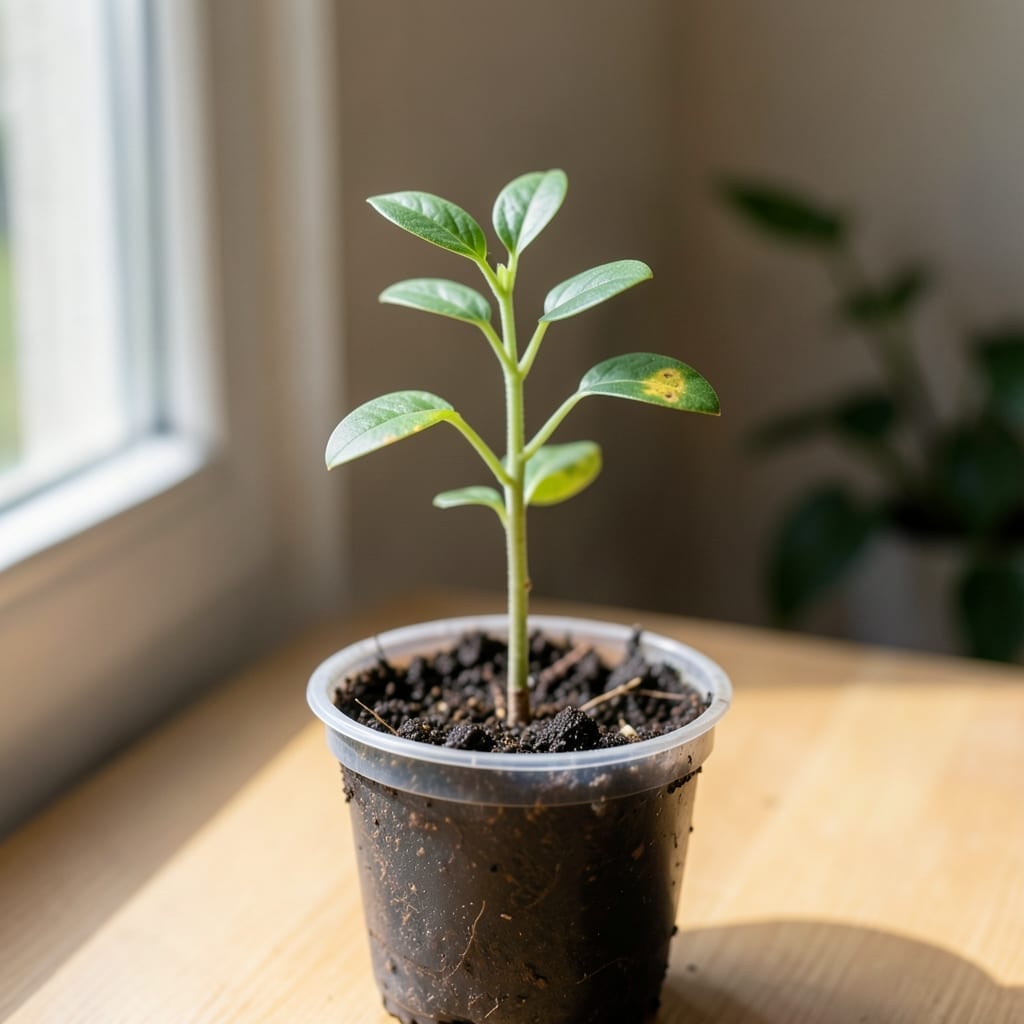
Yellow seedlings stare back at you like tiny accusations. I’ve been there—watching my carefully planted babies fade from vibrant green to sickly yellow overnight. It’s not the end though.
Most times, it’s either too much water drowning the roots or not enough light stretching them thin. Sometimes it’s both. The fix is usually simpler than you think: adjust one thing at a time and watch how they respond.
You’ll spot the difference within 3-5 days. Healthy roots stay white and firm, while troubled ones turn brown and mushy. The leaves tell the story too—pale all over means light, yellow with brown edges means water.
Prevention beats cure every time. Start with well-draining soil, 12-16 hours of light daily, and water only when the top inch feels dry. Simple habits that save heartache.
Seedlings turning yellow is often a sign of stress, and pinpointing the cause is key to reviving them. Below are the most common triggers, explained with actionable insights.
Yellowing often stems from a lack of essential nutrients like nitrogen (uniform pale leaves) or iron (interveinal chlorosis). Nitrogen deficiency starts in older leaves as the plant redistributes it to new growth. Iron deficiency, however, appears in young leaves first. Test soil pH—iron uptake is hindered in alkaline soils (pH > 7). Use a balanced fertilizer or iron chelates to correct imbalances.
Excess water suffocates roots, preventing oxygen uptake and leading to root rot. Yellowing leaves often wilt despite damp soil. Check drainage by ensuring pots have holes and soil isn’t compacted. Let the top inch of soil dry between waterings. If roots are brown and mushy, trim affected areas and repot in fresh, sterile mix.
Too little light causes etiolation—pale, leggy seedlings. Too much direct sun can scorch leaves, turning them yellow or white. Seedlings need 12–16 hours of bright, indirect light daily. Use grow lights (LED or fluorescent) 2–4 inches above seedlings if natural light is insufficient. Acclimate seedlings gradually to outdoor sun to prevent shock.
Cold drafts or heat stress disrupt chlorophyll production. Ideal temperatures for most seedlings are 65–75°F (18–24°C). Yellowing edges or spots may indicate heat stress, while stunted growth with yellowing suggests cold damage. Move seedlings away from vents, windows, or heaters, and maintain consistent temperatures.
Sap-sucking pests like aphids or spider mites drain nutrients, causing yellow speckling. Fungal diseases (e.g., Fusarium wilt) block water uptake, leading to uniform yellowing. Inspect leaf undersides and stems. Treat pests with insecticidal soap; for fungi, improve airflow and use copper-based fungicides.
Fixing yellowing seedlings starts with pinpointing the cause. Below are practical solutions for the most common issues, plus tips to keep your seedlings thriving.
Fix: Let the soil dry slightly between waterings. Ensure pots have drainage holes, and use a well-draining potting mix. If roots are soggy or rotting, trim affected roots and repot in fresh soil. Water only when the top inch of soil feels dry.
Prevention tip: 💡 Use a moisture meter to avoid guesswork, and always empty saucers under pots after watering.
Fix: Move seedlings to a brighter spot if they’re leggy and pale. For too much light (bleached or crispy leaves), provide shade with a sheer curtain or move them farther from the light source. Aim for 12–16 hours of light daily for most seedlings.
Prevention tip: 🎯 Rotate seedlings daily for even light exposure, and adjust grow lights as they mature.
Fix: Yellow lower leaves often signal nitrogen deficiency. Use a balanced, diluted liquid fertilizer (half-strength) every 2–4 weeks. For iron or magnesium deficiencies (yellowing between veins), apply chelated iron or Epsom salt spray (1 tbsp per gallon of water).
Prevention tip: ✨ Start with a quality seedling mix enriched with compost, and avoid over-fertilizing, which can burn roots.
Fix: Keep seedlings in a stable environment (65–75°F). Move them away from cold windows, vents, or heaters. Use a heat mat for warmth if needed, especially for tropical plants.
Prevention tip: 🌡️ Monitor room temperature and avoid placing seedlings near frequently opened doors or windows.
Fix: Inspect leaves and stems for aphids, spider mites, or fungal growth. Spray with neem oil or insecticidal soap for pests. For fungal issues (like damping off), improve airflow, reduce humidity, and avoid overcrowding.
Prevention tip: 🔥 Sterilize tools and trays between uses, and keep the growing area clean and dry.
Water when the top inch of soil feels dry. Overwatering causes yellowing and root rot, while underwatering leads to wilting. 2-3 times per week is typical, but adjust based on humidity and temperature.
This usually signals nitrogen deficiency. The plant moves nitrogen from older leaves to new growth. Use a balanced fertilizer, but avoid overfeeding, which can burn roots.
Severely yellowed leaves won’t recover, but fixing the issue (light, water, or nutrients) saves the rest. Focus on new growth—healthy leaves should emerge within 1-2 weeks.
Too much direct sun can scorch delicate seedling leaves, causing yellow spots. Start with 12-16 hours of bright, indirect light daily. Gradually introduce direct sunlight to avoid shock.