
Beautiful Plants For Your Interior
Beautiful Plants For Your Interior
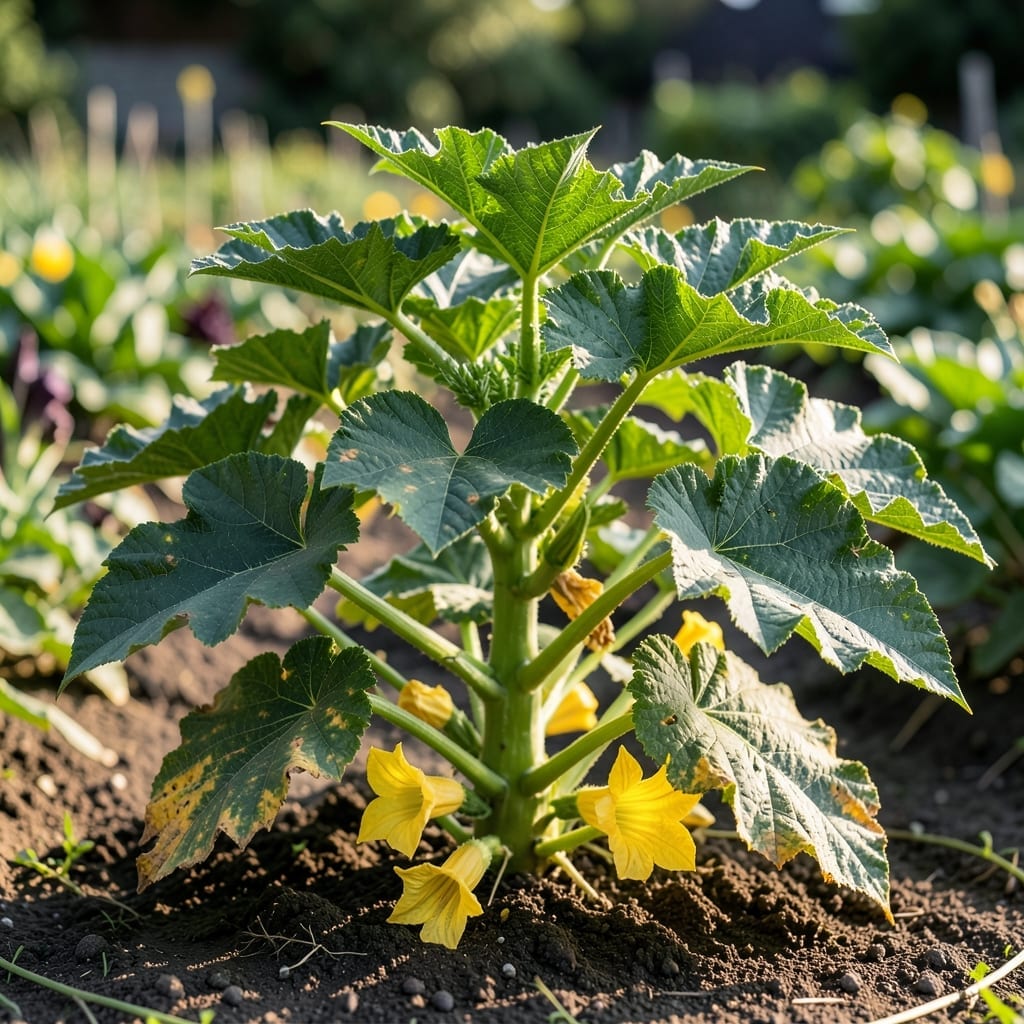
Nothing stings like watching your zucchini seedlings fade from vibrant green to sickly yellow. I’ve been there—staring at wilted leaves, wondering if it’s too much water, not enough food, or something worse.
This usually comes down to 3 common culprits: overwatering, nutrient gaps, or sneaky pests. The good news? Each has a simple fix once you know what to look for.
Fix yellowing fast with these basics. Most are already in your shed.
| Ingredient | Amount | Notes |
|---|---|---|
| Balanced Fertilizer 🧪 | 1 lb | 10-10-10 or 5-10-5 NPK ratio |
| Compost 🌾 | 2 gallons | Well-aged organic matter |
| Neem Oil 🛡️ | 1 piece | For pest prevention |
| Moisture Meter 🌡️ | 1 piece | Check soil dampness |
| pH Test Kit 📊 | 1 piece | Soil acidity check |
| Mulch 🪵 | 1 bag | Straw or wood chips |
| Watering Can 💧 | 1 piece | With narrow spout |
| Pruning Shears ✂️ | 1 piece | Remove damaged leaves |
[recipe_ingredient_scaler]
The fertilizer type matters most here. Balanced 10-10-10 works for most cases, but if you’re seeing yellow between veins, try a magnesium supplement. Home Depot or Lowe’s carry both—look for water-soluble options for quick uptake. I grab the small bags (the good stuff, not the sale bin rejects).
No moisture meter? Stick your finger 2 inches deep—if it’s damp, hold off on watering. Neem oil doubles as fungicide and pest control (trust me on this one). If compost isn’t available, worm castings work in a pinch. Mulch with whatever you’ve got—straw, leaves, or shredded paper all slow evaporation.
Store leftover fertilizer in a sealed bin—keeps for years. Neem oil lasts 1-2 years unopened. I label everything with the date so I’m not guessing later. Pruning shears stay sharp longer if wiped clean after each use.
Here’s the systematic approach I use to diagnose and treat yellowing zucchini seedlings effectively.
Begin by checking the soil’s moisture level with the moisture meter. Insert it 2-3 inches deep near the root zone. Overwatering often causes yellowing, so if the reading shows saturated soil, hold off on watering. I’ve found that zucchini prefers soil that’s moist but not soggy—water only when the top inch feels dry.
Next, use the pH test kit to verify soil acidity. Zucchini thrives in slightly acidic to neutral soil (6.0-7.0 pH). If your soil is too alkaline or acidic, nutrient uptake is disrupted, leading to deficiencies that manifest as yellow leaves. This step often reveals the root cause faster than you might expect.
If the pH is within range but yellowing persists, nutrient deficiency is likely. Work the 2 gallons compost into the top 4-6 inches of soil around each seedling. Compost improves soil structure and provides a slow-release source of essential nutrients. I always see a visible improvement within 7-10 days of application.
Follow this with a light application of the 1 lb balanced fertilizer. Use about 1 tablespoon per plant, scattered in a ring 3 inches from the stem and lightly worked into the soil. Avoid direct contact with the stem to prevent burning. This combination addresses both immediate and long-term nutrient needs.
Yellowing can also result from pest damage, particularly from aphids or spider mites. Mix the neem oil with water according to package instructions and apply it to both sides of the leaves using the watering can. I spray in the early morning or late evening to prevent leaf burn from the sun.
Focus on the undersides of leaves where pests often hide. Repeat this treatment every 7-10 days or after rain. Neem oil disrupts the life cycle of pests while being gentle on beneficial insects. You’ll notice reduced pest activity within 48 hours of the first application.
Spread the 1 bag mulch around the base of each seedling, maintaining a 2-3 inch layer while keeping it 1 inch away from the stem to prevent rot. Mulch conserves soil moisture, regulates temperature, and suppresses weeds that compete for nutrients. I use straw or wood chips for their ability to break down slowly and improve soil over time.
This step is particularly effective in preventing future yellowing by creating a stable growing environment. You’ll see more consistent soil moisture levels, which is critical for zucchini’s shallow root system. The mulch also prevents soil from splashing onto leaves during watering, reducing the risk of fungal diseases.
Using the pruning shears, carefully remove any yellow or severely damaged leaves. Cut at the base of the leaf stem, making clean cuts to avoid tearing the plant tissue. This isn’t just about aesthetics—removing compromised foliage prevents the plant from wasting energy on leaves that can’t recover.
Focus on the lower leaves first, as they’re often the first to yellow and the least productive. After pruning, monitor the plant closely. New growth should appear more vibrant within 5-7 days. This step also improves air circulation, which is crucial for preventing fungal issues that can cause additional yellowing.
When your zucchini seedlings are turning yellow, pairing them with the right companions can help boost their health and flavor. Here’s how to complement them perfectly!
Pair your zucchini with light, fresh sides that won’t overpower its mild flavor. A simple garlic butter roasted corn or a crisp arugula salad with lemon vinaigrette can balance the dish beautifully. These sides add vibrancy and texture while letting the zucchini shine. 🥘
For drinks, opt for something refreshing. A chilled white wine, like Sauvignon Blanc, or a sparkling lemonade can cleanse the palate and enhance the meal. Herbal iced teas, such as mint or basil, also work wonderfully. 🍋
Zucchini pairs well with bold, savory flavors. Try adding Parmesan cheese, sun-dried tomatoes, or fresh basil to bring out its best. These ingredients add depth and richness, making every bite memorable. 🧀