
Beautiful Plants For Your Interior
Beautiful Plants For Your Interior
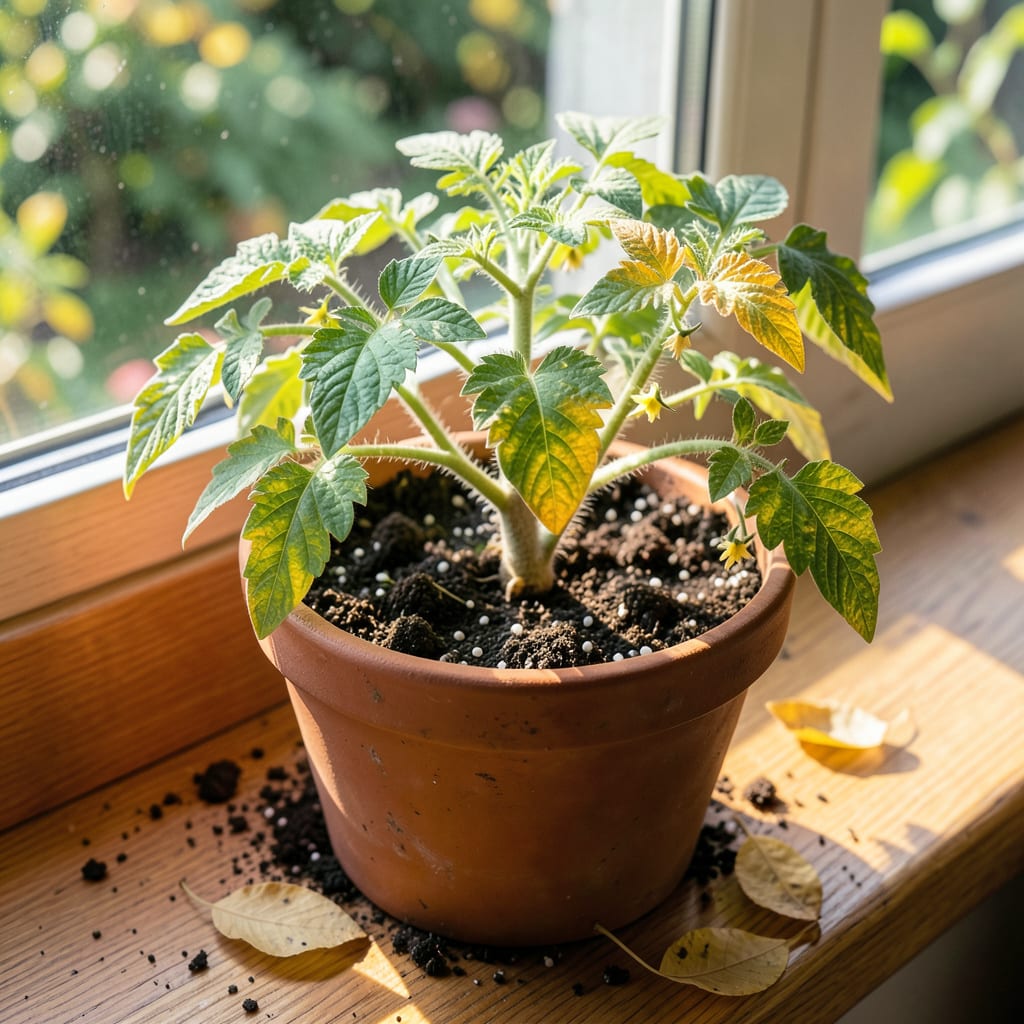
Yellow tomato leaves freaked me out my first season. Turns out, it’s usually a simple fix—wrong light, too much water, or hungry roots. Most seedlings bounce back fast once you spot the real issue.
I’ve killed more seedlings by overwatering than anything else. The soil stays soggy, roots suffocate, and leaves turn yellow. But check the light first—leggy, pale plants scream for more sun. Nutrient problems show up slower, often as yellowing between veins.
Fix the basics and you’ll see new green growth within a week. Adjust watering, move them to brighter spots, or add a light fertilizer. The solutions are simpler than you’d think.
Prevention beats cure every time. Start with good soil, consistent moisture, and 14-16 hours of light daily. Your seedlings will thank you with strong, healthy leaves.
Yellowing leaves on tomato seedlings are often a sign of stress or imbalance. Below are the most common causes, explained with actionable insights.
Tomato seedlings require a balanced diet of nitrogen, magnesium, or iron. A lack of nitrogen causes uniform yellowing (starting with older leaves), while magnesium deficiency triggers interveinal chlorosis—yellowing between veins, often in lower leaves. Iron deficiency appears as yellowing in new growth first. Test soil with a kit and amend with compost or a targeted fertilizer (e.g., Epsom salt for magnesium).
Both extremes disrupt nutrient uptake. Overwatering suffocates roots, reducing oxygen and causing yellow, wilted leaves. Underwatering leads to dry, crispy yellow edges. Check soil moisture 1–2 inches deep—it should feel like a wrung-out sponge. Adjust watering to maintain consistent moisture without sogginess.
Too little light (e.g., dim windowsills) forces seedlings to stretch and weakens chlorophyll production, turning leaves pale yellow. Conversely, intense direct sunlight without acclimation can scorch leaves, causing yellow or white patches. Provide 12–16 hours of bright, indirect light daily using grow lights if natural light is insufficient.
Pathogens like Fusarium wilt or early blight cause yellowing with spotted or wilting leaves. Improve airflow, avoid overhead watering, and remove infected seedlings immediately. Use sterile potting mix and copper-based fungicides preventatively.
Tomatoes thrive in slightly acidic soil (pH 6.0–6.8). pH outside this range locks out nutrients, mimicking deficiency symptoms. Test soil pH and amend with lime (to raise pH) or sulfur (to lower it) as needed.
Yellowing leaves on tomato seedlings often signal fixable issues. Below are targeted solutions for common causes, along with prevention tips to keep your plants thriving.
If the soil lacks essential nutrients like nitrogen or magnesium, seedlings can’t produce chlorophyll. Fix: Use a balanced, water-soluble fertilizer (10-10-10) or add compost to the soil. For magnesium, sprinkle a tablespoon of Epsom salt around the base and water lightly. Prevention: Test soil before planting and enrich it with organic matter annually. 💡 Pro Tip: Avoid over-fertilizing—it can burn roots and worsen stress.
Seedlings need 12-16 hours of light daily. Yellow leaves may mean they’re getting too much direct sun (scorching) or not enough (weak growth). Fix: Move seedlings to a spot with bright, indirect light or use grow lights. If outdoors, provide shade cloth during peak sun. Prevention: Start seeds under grow lights and harden off seedlings gradually before transplanting. 🎯 Aim for: 6-8 inches between seedlings and light sources.
Soggy soil suffocates roots, leading to yellowing and wilting. Fix: Let the top inch of soil dry out between waterings. Ensure pots have drainage holes, and use a well-draining potting mix. If root rot is suspected, trim affected roots and repot in fresh soil. Prevention: Water deeply but infrequently, and avoid letting seedlings sit in saucers of water. ✨ Quick Check: Stick your finger in the soil—if it’s damp, hold off on watering.
Tomatoes prefer slightly acidic soil (pH 6.0-6.8). If pH is off, nutrients become unavailable. Fix: Test soil pH with a kit. To raise pH, add lime; to lower it, mix in sulfur or peat moss. Prevention: Amend soil before planting and retest every few months. 🌡️
Water when the top 1-2 inches of soil feel dry. Usually every 2-3 days for indoor seedlings, but adjust based on humidity and pot size. Overwatering is a common mistake that causes yellowing.
Use a grow light for 12-16 hours daily, keeping it 6-8 inches above the plants. A south-facing window can work, but natural light is often inconsistent. Rotate seedlings regularly for even growth.
Once a leaf turns yellow, it won’t recover. Focus on fixing the underlying issue (light, water, nutrients) so new growth stays healthy and green. Remove severely yellowed leaves to redirect energy.
Uniform yellowing often signals nitrogen deficiency. Yellowing between veins suggests magnesium or iron issues. Test soil and check which leaves are affected first—older leaves indicate nitrogen, new growth points to iron.
