
Beautiful Plants For Your Interior
Beautiful Plants For Your Interior
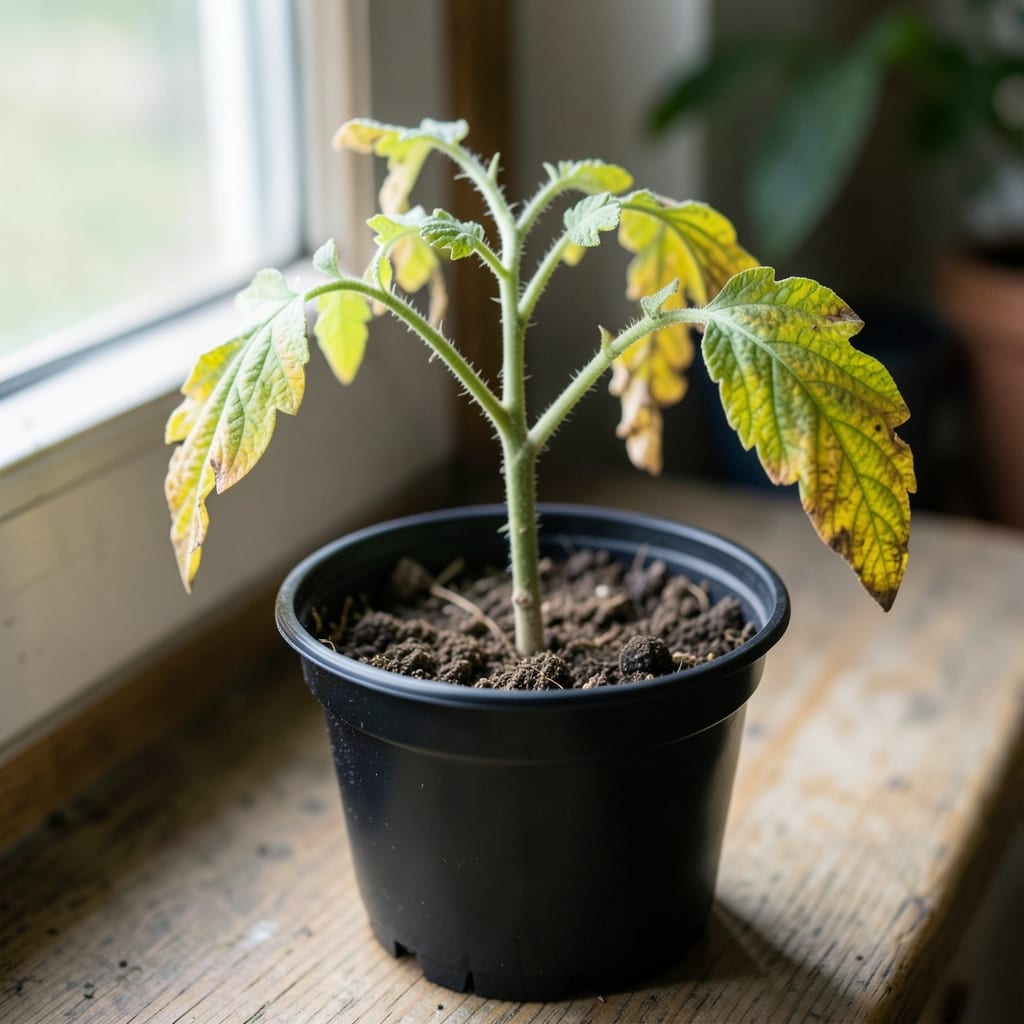
Nothing stings like watching your seedlings topple over just as they start to grow. I’ve lost entire trays to this—usually because I was too eager with the watering can or skipped sterilizing my soil.
The usual suspects are damping-off disease, soggy roots, or weak stems from poor light. One simple fix often saves them: better airflow, less water, and a bright, steady light source.
Prevention starts with clean tools and fresh soil. I check moisture with my finger now—if it’s damp an inch down, I wait. Seedlings bounce back fast when you catch it early.
Small changes make the difference between a failed start and a thriving garden ready for transplanting.
Seedlings collapsing or dying is often a sign of underlying stress. Here are the most common causes, explained with actionable insights:
Excess water suffocates roots by displacing oxygen in the soil, leading to root rot. Fungal pathogens like Pythium thrive in soggy conditions, causing stems to weaken and topple. Ensure pots have drainage holes and use a well-draining seedling mix. Water only when the top inch of soil feels dry.
Seedlings stretch toward light, resulting in weak, spindly stems that can’t support their weight. This etiolation happens when natural or artificial light is too dim or distant. Position grow lights 2–4 inches above seedlings for 14–16 hours daily, or use a sunny south-facing window.
Rhizoctonia, Fusarium, and Pythium fungi attack stems at soil level, causing them to rot and collapse—a condition called damping off. Sterilize seed-starting mix by baking it at 200°F for 30 minutes, and avoid overcrowding seedlings to improve airflow.
Seedlings are sensitive to cold drafts or excessive heat. Chilling can stunt growth, while high temperatures (above 85°F) stress plants and encourage disease. Maintain a consistent temperature between 65–75°F and protect seedlings from cold windows or heating vents.
Fungus gnats, aphids, or cutworms can weaken or kill seedlings by feeding on roots or stems. Use yellow sticky traps for gnats, introduce beneficial nematodes, or apply neem oil spray for soft-bodied pests like aphids.
Preventing and fixing wilting or dying seedlings starts with pinpointing the root cause. Below are targeted solutions for each issue, along with prevention tips to keep your young plants thriving.
Fix: If the soil is soggy, stop watering immediately and move the seedlings to a well-ventilated area. Repot them in fresh, well-draining soil if root rot is suspected. Use containers with drainage holes to prevent waterlogging.
Prevention: Water only when the top inch of soil feels dry. Use a moisture meter or the finger test to gauge soil dampness. Opt for a loose, airy potting mix with perlite or sand.
Fix: Provide immediate support using popsicle sticks, toothpicks, or small stakes to prop up floppy seedlings. Move them to a brighter location or supplement with a grow light (12-16 hours daily, 2-4 inches above the plants).
Prevention: Start seeds under adequate light from day one. Avoid overcrowding by thinning seedlings early, leaving 1-2 inches between them. Use a fan on low to encourage stronger stem growth.
Fix: Remove affected seedlings immediately to prevent spread. Treat remaining plants with a copper-based fungicide or a diluted hydrogen peroxide solution (1 tsp per cup of water). Improve airflow and reduce humidity around the seedlings.
Prevention: Sterilize all tools and trays with a 10% bleach solution before use. Avoid overhead watering—water at the base instead. Keep seedlings spaced out and ensure good ventilation.
Fix: For aphids or fungus gnats, spray seedlings with insecticidal soap or neem oil. Remove any visible pests manually. For severe cases, introduce beneficial insects like ladybugs or use sticky traps.
Prevention: Inspect seedlings regularly for early signs of pests. Keep the growing area clean and free of debris. Use a fine mesh to cover seed trays and prevent pests from laying eggs.
Fix: Move seedlings to a stable environment—ideally 65-75°F (18-24°C). Use a heat mat for warmth if needed, but avoid placing them near drafts, heaters, or direct hot sunlight.
Prevention: Maintain consistent temperatures by using a seedling heat mat and avoiding sudden temperature fluctuations. Harden off seedlings gradually before transplanting outdoors.
💡 Pro Tip: Keep a gardening journal to track watering, light, and temperature conditions. This helps you spot patterns and adjust care before problems arise!
Check the soil with your finger—if the top 1 inch feels damp, wait to water. Yellowing leaves and mushy stems are classic overwatering signs. Always use containers with drainage holes.
This is called etiolation and happens when they don’t get enough light. Stems become weak and spindly as they reach for more. Move them closer to a light source or add a grow light.
Once the stems collapse at the soil line, it’s too late. Remove affected seedlings immediately to protect others. Prevent future cases with sterile soil and good airflow.
Most thrive at 65–75°F during the day. Avoid cold drafts or hot spots near vents. Consistency is key to preventing stress-related collapse.