
Beautiful Plants For Your Interior
Beautiful Plants For Your Interior
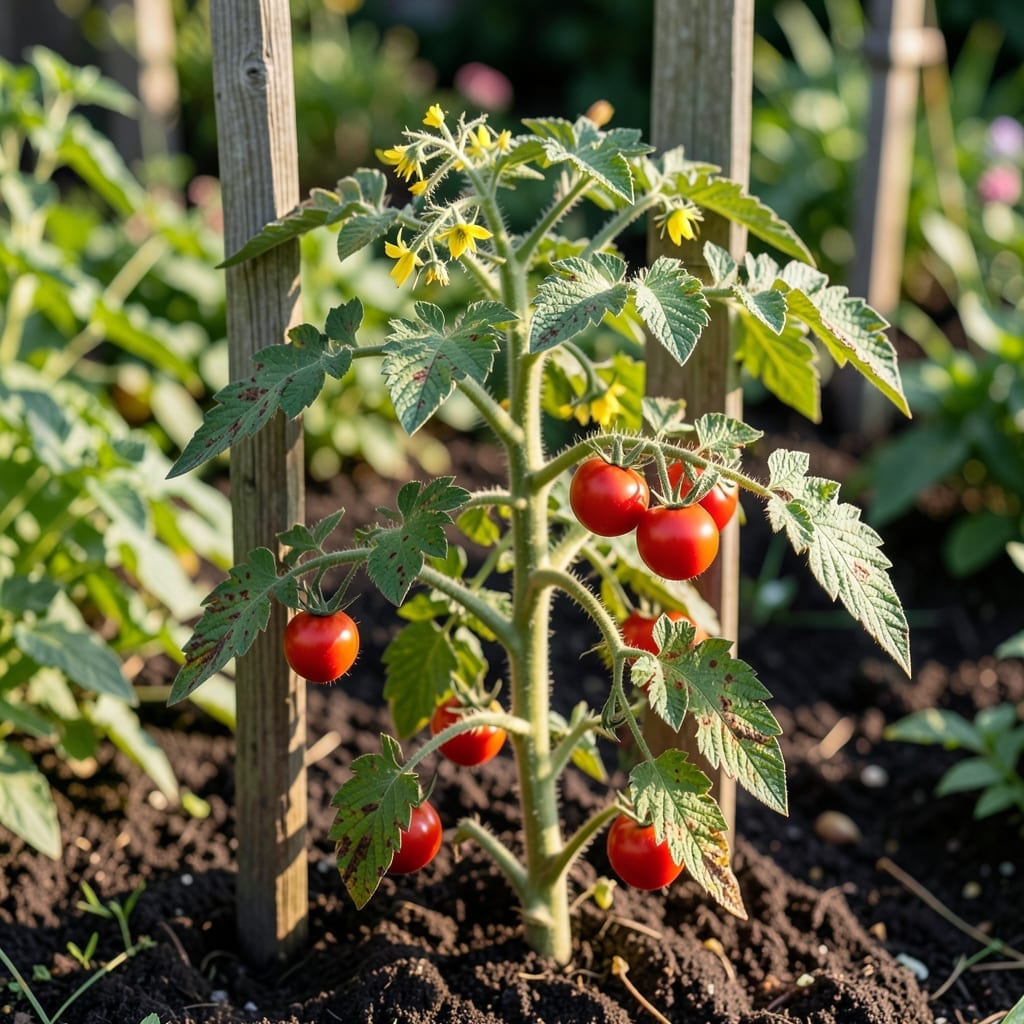
Those orange-brown spots on your tomato leaves aren’t sunburn. I first noticed them mid-July, thinking it was just dry soil until the leaves started dropping like confetti at a bad parade.
Rust fungus spreads fast in warm, wet conditions—exactly what tomatoes love. The good news? It’s treatable. Remove infected leaves immediately, then adjust your watering to keep foliage dry. That alone stops most outbreaks.
For stubborn cases, a copper fungicide spray works wonders. I’ve saved entire plants with just two applications, 7 days apart. The key is catching it early before it jumps to fruit.
Prevention is simpler than cure: space plants for airflow, water at soil level, and clean up garden debris. Do this right and you’ll never see those ugly spots again.
Rust on tomato leaves is a fungal disease caused by Puccinia or Uromyces species. It thrives under specific environmental conditions and can spread rapidly if left unchecked. Below are the primary causes:
Fungal spores require prolonged leaf wetness (6+ hours) to germinate. Overhead watering, high humidity, or poor drainage creates the perfect breeding ground. Tomatoes in densely planted areas with limited airflow are especially vulnerable.
Rust fungi proliferate in 70–80°F (21–27°C) ranges. Heat accelerates spore production, while cooler nights (50–60°F / 10–15°C) with dew extend the infection window. Greenhouses or crowded gardens often trap this heat, worsening outbreaks.
Spores overwinter in decaying leaves, stakes, or soil. If old tomato plants or weeds (like nightshade) aren’t removed, they serve as a reservoir. Even compost piles can harbor spores if not heated properly.
Stagnant air prevents leaves from drying quickly. Tall plants, dense foliage, or nearby walls block airflow, letting moisture linger. Pruning lower leaves and spacing plants 18–24 inches apart reduces risk.
Spores hitchhike on garden tools, gloves, or shoes. Reusing pots or soil without sterilization spreads the fungus. Always disinfect tools with 10% bleach solution between uses.
Tackling rust on tomato leaves starts with identifying the cause and applying the right fix. Here’s a clear, actionable guide to restore your plants’ health.
Rust thrives in damp conditions. Prune dense foliage to boost air circulation, and water at the base of plants (not overhead) to keep leaves dry. Use a drip irrigation system for consistent, targeted moisture. Space plants at least 18–24 inches apart to reduce humidity buildup.
At the first sign of rust (orange-brown spots), remove infected leaves immediately and discard them away from the garden to prevent spores from spreading. Apply a copper-based fungicide or a baking soda spray (1 tbsp baking soda + 1 tsp dish soap + 1 gallon water) every 7–10 days until the issue clears. For organic gardens, neem oil is a great alternative.
Weak plants are more susceptible. Amend soil with compost or well-rotted manure to improve drainage and nutrient content. A balanced fertilizer (10-10-10) can help, but avoid over-fertilizing with nitrogen, which promotes leafy growth at the expense of disease resistance.
Prevention Tips:
Yes, rust spores can travel by wind or water to nearby susceptible plants. Remove infected leaves immediately and avoid overhead watering to limit spread.
Seal them in a plastic bag and discard in the trash—never compost. This prevents spores from returning to your garden soil.
If caught early, rust mainly damages leaves. Severe cases can reduce yield, but fruit remains edible if washed. Treat promptly to protect production.
Spray in the morning when leaves are dry. Reapply every 7–10 days or after rain. Evening applications may not dry properly.