
Beautiful Plants For Your Interior
Beautiful Plants For Your Interior
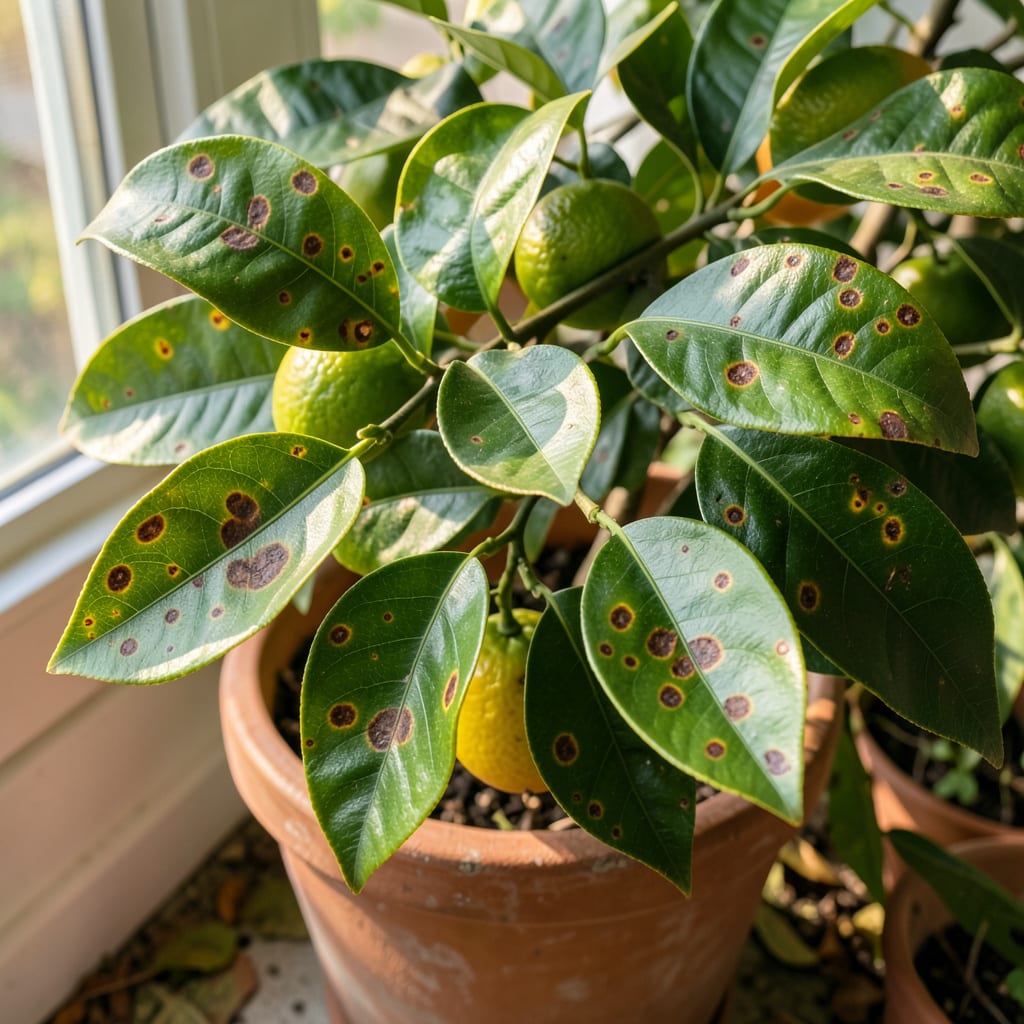
Those brown spots on your orange leaves aren’t just ugly—they’re a warning. I’ve seen citrus trees go from healthy to struggling in two weeks when these issues go unchecked.
First step: stop guessing. The pattern of the spots tells you whether it’s fungus, pests, or a nutrient cry for help. Yellow halos? Probably fungal. Tiny dots? Could be mites.
Once you know the cause, the fix is straightforward. A copper spray handles most fungi, while neem oil takes care of pests. Nutrient deficiencies often clear up with a citrus-specific fertilizer.
Catch it early, and your tree will bounce back fast. Wait too long, and you’re looking at stunted growth or lost fruit.
Brown spots on orange tree leaves often stem from environmental, fungal, or nutritional issues. Below are the most common causes, explained with actionable insights.
Fungi like Alternaria or Phytophthora thrive in wet, humid conditions. Alternaria leaf spot creates small, dark brown lesions with yellow halos, while Phytophthora causes irregular, water-soaked spots. Overhead watering and poor air circulation exacerbate these infections.
Both overwatering and underwatering can trigger brown spots. Overwatering leads to root rot, reducing nutrient uptake and causing leaf discoloration. Underwatering stresses the tree, leading to dry, crispy brown patches. Ensure consistent moisture without waterlogging.
Extreme temperatures, frost, or sunscald can scorch leaves, leaving brown, papery spots. Orange trees prefer 60–85°F (15–29°C). Sudden temperature swings or intense sunlight without acclimation can also cause damage.
Lack of essential nutrients like magnesium (yellowing with brown edges) or zinc (small, interveinal spots) often manifests as brown discoloration. A soil test can pinpoint deficiencies, guiding targeted fertilization.
Pro Tip 💡: Copper deficiency is common in citrus and triggers corky, brown spots. Apply a citrus-specific micronutrient spray if needed.
Tackling brown spots on your orange tree leaves starts with identifying the cause and applying the right fix. Below are targeted solutions for common issues, along with prevention tips to keep your tree thriving. 🌿
Fix: Remove and destroy infected leaves to prevent spread. Apply a copper-based fungicide or neem oil spray every 7–10 days until the problem clears. For severe cases, use a systemic fungicide like propiconazole.
Prevention: Improve air circulation by pruning dense foliage. Water at the base of the tree (avoid wetting leaves) and clean up fallen debris regularly. 💡 Pro tip: Space trees at least 10–15 feet apart for better airflow.
Fix: Blast pests off with a strong stream of water, then apply insecticidal soap or horticultural oil. For stubborn scale, use a systemic insecticide like imidacloprid.
Prevention: Inspect leaves weekly for early signs of pests. Introduce beneficial insects like ladybugs or lacewings to your garden. Keep the tree healthy with balanced fertilization to deter infestations.
Fix: Adjust your watering schedule. For overwatering, let the soil dry out slightly between waterings. For underwatering, deep-soak the tree 1–2 times per week, ensuring moisture reaches the root zone.
Prevention: Use a moisture meter to monitor soil conditions. Mulch around the base (2–3 inches deep) to retain moisture and prevent extremes. 🌡️ Pro tip: Water early in the morning to reduce evaporation and fungal risks.
Fix: Apply a citrus-specific fertilizer to address general deficiencies. For magnesium, use Epsom salt (1 tablespoon per gallon of water) as a foliar spray. For zinc, use a zinc sulfate spray.
Prevention: Test your soil annually and amend as needed. Feed your orange tree with a balanced fertilizer (e.g., 10-10-10) every 6–8 weeks during the growing season.
Fix: Rinse leaves thoroughly with water to remove residue. Avoid further chemical applications until the tree recovers.
Prevention: Always follow label instructions for pesticides/herbicides. Apply during calm weather to prevent drift, and avoid spraying on windy days.
Yes, overwatering leads to root rot, which blocks nutrient uptake and causes brown, water-soaked spots. Let soil dry slightly between waterings to prevent this.
Fungal spots often have yellow halos or irregular edges. Alternaria creates small, dark lesions, while Phytophthora causes water-soaked patches. Check for wet, humid conditions.
No, but act fast. Magnesium or zinc shortages create distinct patterns. A soil test confirms the issue, and citrus-specific fertilizers or foliar sprays restore health.
Yes! A strong water spray can dislodge mites or aphids. Follow up with insecticidal soap or neem oil. For severe infestations, use systemic insecticides.
