
Beautiful Plants For Your Interior
Beautiful Plants For Your Interior
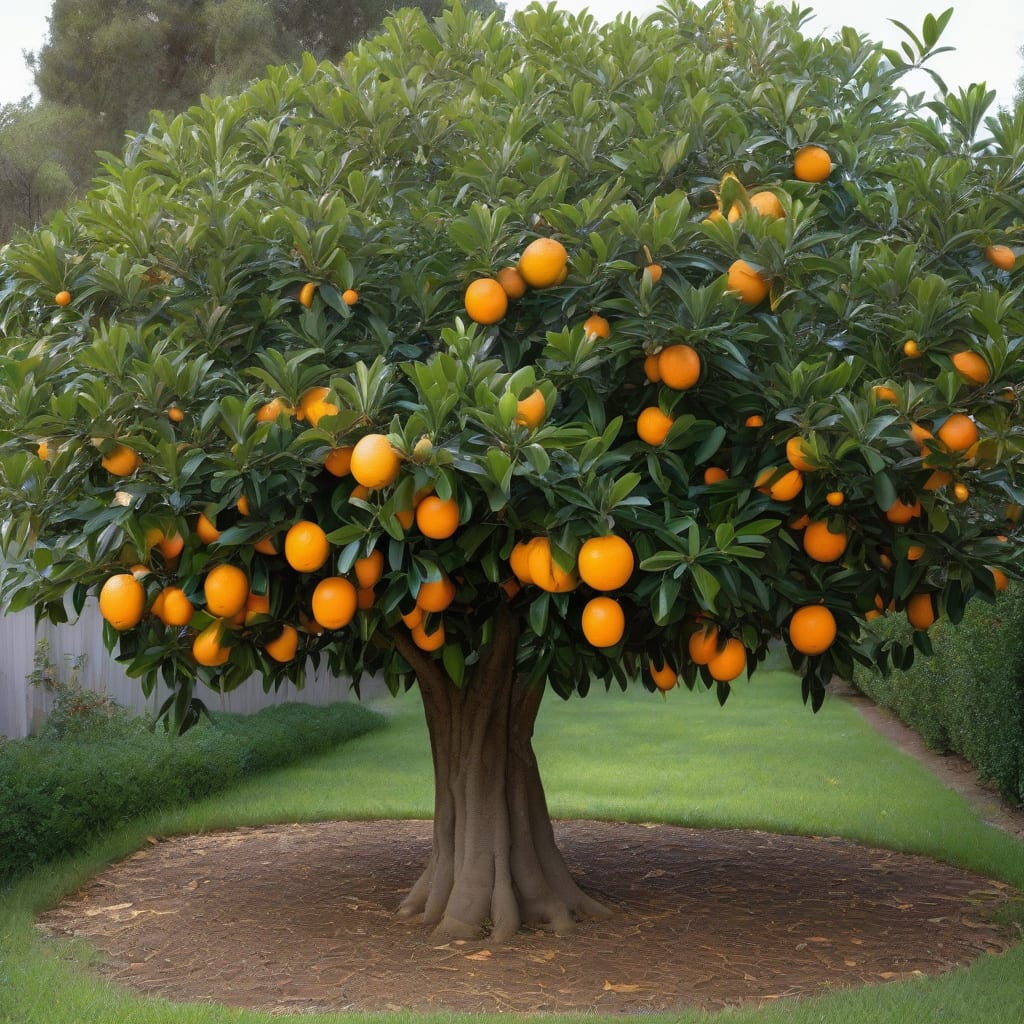
Growing an Orange Tree 🍊 can be a rewarding experience, but understanding its growth potential is crucial for proper planning. In ideal conditions, Orange Trees can grow between 15-30 feet tall, depending on factors like variety and growing conditions.
Whether you’re growing in USDA Zone 6 or another region, knowing what to expect helps you create the right environment for your tree to thrive. Let’s explore the factors that influence Orange Tree height and how to manage their growth effectively.

3 ft

6 ft

10 ft

20 ft
Orange trees can grow to varying heights depending on several key factors. Understanding these factors is crucial for gardeners to manage their tree’s growth effectively. The primary influences on orange tree height include the tree’s rootstock, variety, climate conditions, and soil quality 🌿.
The rootstock plays a significant role in determining the overall size of the tree. Dwarf rootstocks result in smaller trees, typically growing between 8-12 feet tall, while standard rootstocks can produce trees that reach heights of 20-30 feet or more. The variety of orange tree also impacts its mature height, with some varieties naturally growing taller than others 🔥.
Climate conditions significantly impact orange tree growth. Trees grown in optimal climates with full sun and mild winters tend to grow more vigorously and reach their maximum potential height. Conversely, trees exposed to harsh winters or inadequate sunlight may remain smaller 🔍.
Soil quality is another critical factor. Well-draining, fertile soil promotes healthy root development tree growth, while poor soil can limit the tree’s size 💧.
By understanding these factors, gardeners can make informed decisions about which variety to plant and how to care for their orange tree to achieve the desired height and fruit production 🌱.
Different rootstocks can significantly affect the mature height of orange trees. Dwarf rootstocks are ideal for smaller spaces, while standard rootstocks are better suited for larger areas. The choice of rootstock should be based on the available space and desired tree size 📏.
Variety selection is also crucial. Some orange tree varieties are naturally more compact, making them suitable for container gardening or small gardens. Other varieties may grow larger and require more space to thrive 🌟.
The climate in which an orange tree is grown affects its growth rate and maximum height. Trees grown in warmer, sunnier climates tend to grow more vigorously than those in cooler or cloudier regions ☀️.
Soil conditions play a vital role in determining the health and size of an orange tree. Well-draining soil with a suitable pH range supports optimal growth, while poor drainage or nutrient deficiencies can stunt the tree’s growth 🌿.
To summarize, the height of an orange tree is influenced by its rootstock, variety, climate, and soil conditions. By carefully selecting the right rootstock and variety and providing optimal growing conditions, gardeners can manage their orange tree’s height effectively and enjoy a bountiful harvest 🍊.
Understanding these factors allows gardeners to make informed decisions and tailor their care practices to the specific needs of their orange tree, ensuring it reaches its full potential height and produces delicious fruit 🌻.
By considering the interplay of these factors, gardeners can optimize their orange tree’s growth and enjoy the many benefits of growing their own citrus trees, from beautiful blossoms to delicious homegrown oranges 🌸.
Effective management of orange tree height is crucial for maintaining a healthy and productive tree. Proper pruning techniques play a vital role in controlling the tree’s size while promoting fruit production 🌳.
Regular pruning helps maintain the desired height, encourages new growth, and improves air circulation within the tree canopy. It’s essential to prune orange trees during their dormant season to minimize stress and promote healthy regrowth 🔄.
Eliminate any branches that are dead, diseased, or damaged to prevent the spread of disease and encourage healthy growth.
Selectively remove branches to allow more sunlight to penetrate and improve air circulation, reducing the risk of disease.
Prune the tree to maintain its desired shape and size, ensuring it remains balanced and aesthetically pleasing.
In addition to pruning, training methods can be employed to manage orange tree height. Techniques such as espaliering or using a trellis can help control the tree’s growth and maximize space in smaller gardens 🌟.
Regular maintenance is also key to managing orange tree height. This includes monitoring the tree’s growth, adjusting pruning schedules as needed, and ensuring the tree receives adequate nutrients and water 💧.
By combining effective pruning techniques with proper training and maintenance practices, gardeners can successfully manage their orange tree’s height and enjoy a healthy, productive tree for years to come 🌸.
Proper pruning techniques not only control the height but also improve the overall health of the tree by removing diseased or damaged branches, thus preventing potential issues 🔍.
Training the tree to grow in a specific shape or form can be particularly useful in smaller gardens or when growing in containers. This can involve using supports or pruning to direct the tree’s growth in a desired manner 🌿.
Regular monitoring of the tree’s growth and health is essential. By keeping a close eye on the tree’s development, gardeners can make timely adjustments to their care routine, ensuring the tree remains healthy and productive 📈.
Growing orange trees in containers requires special considerations to maximize yield and manage tree height effectively. Container-grown trees need careful attention to their root environment and nutrient supply to thrive 🍊.
When growing orange trees in containers, it’s essential to choose a dwarf or compact variety that is well-suited for container cultivation. These varieties naturally grow smaller and are more manageable in pots 🌿.
Use a container that is at least 2-3 times larger than the root ball of your orange tree to provide ample room for root growth.
Container size is critical for the healthy growth of orange trees. A larger container provides more room for the roots to expand, which supports overall tree health and fruit production 📏.
Soil quality is another crucial factor. Use a well-draining potting mix specifically designed for citrus trees to ensure optimal nutrient uptake and prevent waterlogged soil 💧.
Regular fertilization is necessary to support the nutritional needs of container-grown orange trees. Use a balanced fertilizer formulated for citrus trees, following the manufacturer’s instructions for application rates and frequency 🌟.
Watering practices must be carefully managed. Container-grown trees dry out more quickly than those planted in the ground, so regular monitoring of soil moisture is essential. Water thoroughly when the top inch of soil feels dry to the touch 💦.
By following these guidelines and providing proper care, container-grown orange trees can thrive and produce a bountiful harvest, even in limited spaces 🌸.
