
Beautiful Plants For Your Interior
Beautiful Plants For Your Interior
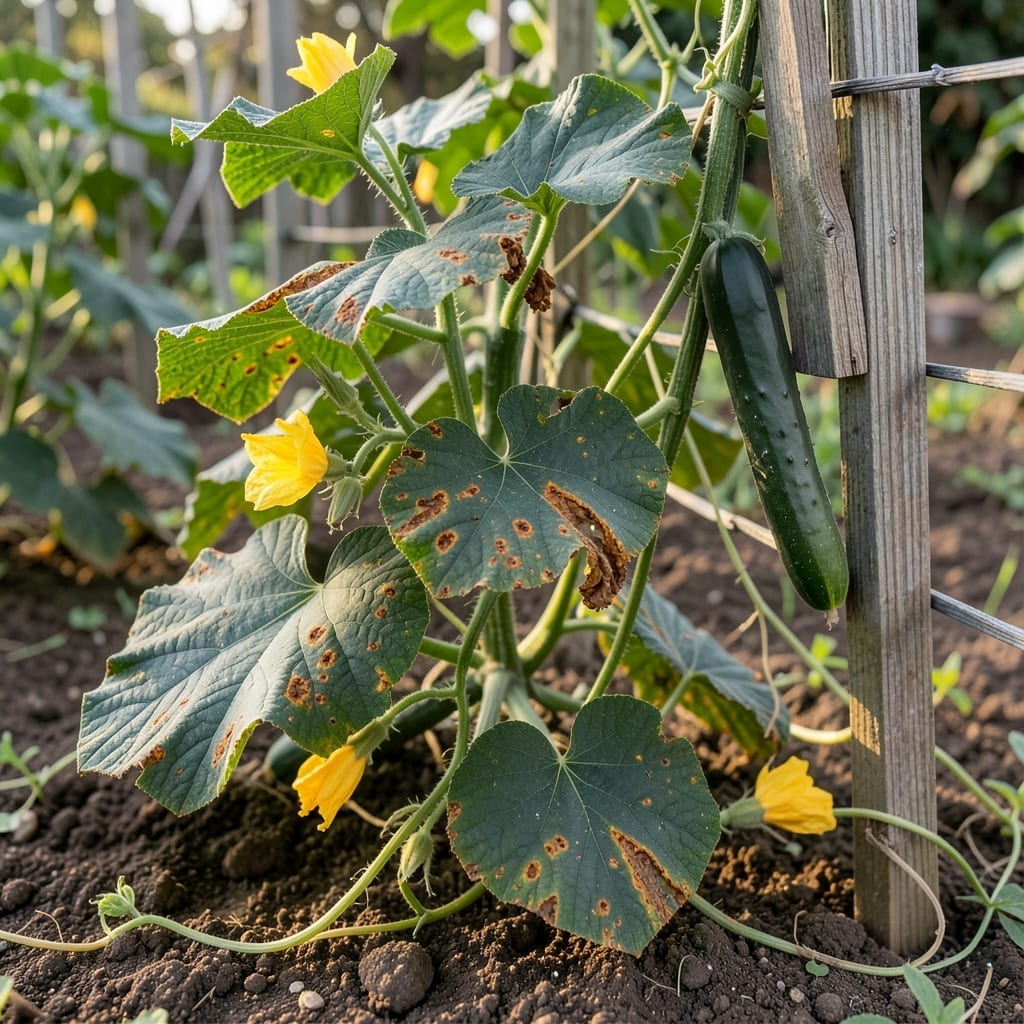
Spotted orange dust on your cucumber leaves? That’s rust, and it spreads fast if ignored.
I first noticed it last July—yellow spots turned to rusty pustules overnight. Left unchecked, it weakens plants and kills vines before harvest. The good news? A simple vinegar spray can stop it in its tracks.
This DIY solution works in 24-48 hours, saving your crop without harsh chemicals. You likely have the ingredients in your pantry already.
We’ll cover how to mix it, when to apply, and how to prevent rust from returning next season.
Rust on cucumbers is a common fungal disease that can quickly spread and damage your crop. Understanding its causes helps you prevent and manage it effectively.
The primary cause of rust on cucumbers is the fungus Puccinia spp., which thrives in warm, humid conditions. Spores from infected plants or debris can spread via wind, water, or gardening tools, leading to orange or brown pustules on leaves.
Overwatering or poor drainage creates a damp environment ideal for fungal growth. Water sitting on leaves for extended periods (e.g., from overhead irrigation) accelerates spore germination and infection.
Rust fungi flourish in temperatures between 65–80°F (18–27°C) with high humidity. These conditions are common in greenhouses or during rainy seasons, making cucumbers especially vulnerable.
Dense plantings or crowded garden beds restrict airflow, trapping moisture around foliage. This stagnant environment promotes fungal spores to settle and infect cucumber plants.
Using unsterilized tools or planting in soil with lingering fungal spores can introduce rust to healthy cucumbers. Infected plant debris left in the garden also harbors the pathogen.
Dealing with rust on your cucumber plants? These targeted solutions will help you tackle the problem while keeping your garden healthy. Address the issue early to prevent further spread and damage.
If you notice orange or brown rust spots on the leaves, it’s likely a fungal infection. Start by pruning affected leaves and disposing of them in sealed bags to prevent spores from spreading. Next, apply a DIY vinegar spray (1 tablespoon white vinegar + 1 gallon water + a few drops of dish soap) to the remaining foliage. Spray in the early morning for best results.
Prevention tip: 💡 Improve air circulation by spacing plants properly and watering at the base to keep leaves dry.
Excess moisture can create the perfect environment for rust to thrive. Reduce watering frequency and ensure your soil has good drainage. Use a drip irrigation system or watering can to target the roots directly. If your soil stays soggy, consider amending it with compost or sand to improve texture.
Prevention tip: 🌡️ Water cucumbers in the morning so leaves have time to dry before evening.
Stressed plants are more susceptible to rust. Fertilize lightly with a balanced, water-soluble fertilizer to strengthen your cucumbers. Avoid over-fertilizing, as this can lead to excessive leafy growth, which traps moisture. Additionally, mulch around the base of the plants to retain soil moisture without wetting the leaves.
Prevention tip: ✨ Rotate crops yearly to prevent soil-borne diseases from building up.
Pests like aphids can weaken plants, making them more vulnerable to rust. Introduce beneficial insects like ladybugs or use neem oil spray to keep pests in check. Regularly inspect the undersides of leaves for early signs of infestation.
Prevention tip: 🎯 Plant companion herbs like basil or dill to naturally repel pests.
No, cucumbers with rust spots are still safe to eat, but the quality may suffer. Remove affected leaves and wash the fruit thoroughly before consumption. Severe infections can reduce yield and flavor.
Rust can spread rapidly in warm, humid conditions—sometimes within 48-72 hours. Spores travel via wind or water, so isolate infected plants immediately to prevent further contamination.
Yes, a baking soda solution (1 teaspoon per quart of water) can help. Spray it on leaves weekly as a preventative, but for active infections, combine it with the vinegar spray for better results.
Yes, spores can overwinter in soil or plant debris. Remove all infected material, rotate crops, and clean tools to reduce recurrence next season.