
Beautiful Plants For Your Interior
Beautiful Plants For Your Interior
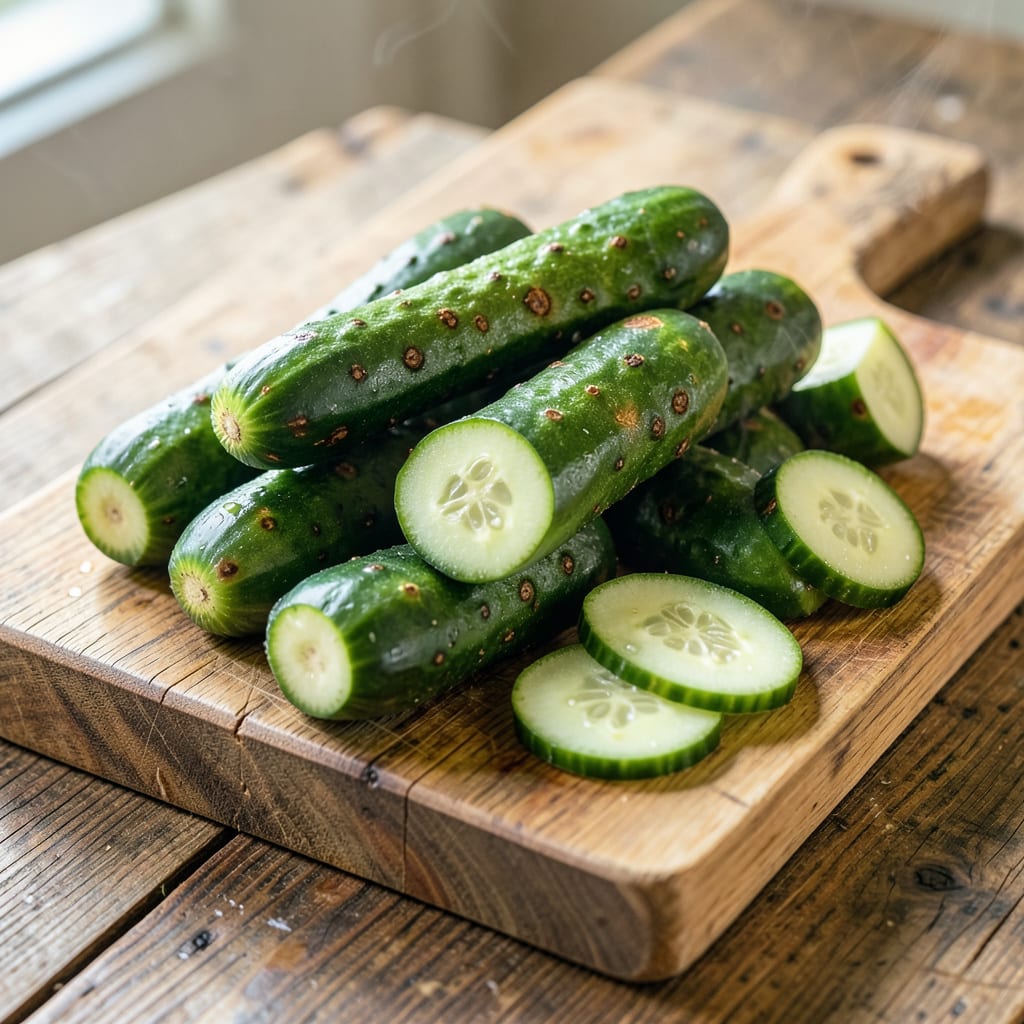
Those brown spots on your cucumbers aren’t just ugly—they’re a distress signal. I’ve seen entire harvests ruined by ignoring the first signs, but catching them early changes everything.
Most times, it’s not one big problem but a combination of moisture, fungi, or pests ganging up on your plants. The good news? Simple fixes can turn it around in days, not weeks.
You’ll start seeing healthier leaves within a week of treatment, and new growth comes in spot-free. The key is matching the solution to the specific cause—no guesswork.
Works for backyard gardens, raised beds, and even container cucumbers. Let’s diagnose and fix this fast.
Brown spots on cucumbers can be frustrating, but understanding the root causes helps you tackle the issue effectively. Here are the most common culprits behind this problem:
Fungi like Alternaria and Cercospora thrive in warm, humid conditions, leading to circular or irregular brown spots on leaves and fruits. These pathogens spread through water splashes or contaminated tools, so improving air circulation and avoiding overhead watering can reduce their impact.
Extreme heat, drought, or sudden temperature swings can cause physiological stress, resulting in brown patches. Cucumbers prefer consistent moisture and temperatures between 70–90°F (21–32°C). Mulching and regular watering help stabilize conditions.
Pests like cucumber beetles or spider mites chew on foliage and fruits, creating entry points for secondary infections. Their feeding often leaves behind small, irregular brown spots. Neem oil or insecticidal soaps can deter these invaders.
A lack of essential nutrients, particularly calcium or magnesium, may cause brown spotting. Test your soil and amend with compost or balanced fertilizers to restore vitality.
Both overwatering and underwatering can lead to brown spots. Overwatering promotes fungal growth, while drought stress weakens plants. Aim for 1–2 inches of water per week, delivered at the base of the plant.
Addressing brown spots on cucumbers starts with identifying the cause and applying targeted solutions. Here’s how to tackle each issue effectively:
If spots are spreading quickly, remove affected leaves or fruits immediately to prevent contamination. Apply a copper-based fungicide or neem oil spray, following package instructions. For severe cases, consider a bactericide treatment.
Check for pests like cucumber beetles or spider mites. Spray with insecticidal soap or introduce beneficial insects like ladybugs. Handpick larger pests if the infestation is mild.
Yellowing leaves with brown spots often signal a lack of potassium or magnesium. Apply a balanced fertilizer or amend the soil with compost. For quick fixes, use a foliar spray rich in the missing nutrient.
If spots appear due to sunscald or inconsistent watering, provide afternoon shade and maintain even soil moisture. Mulching helps regulate both temperature and hydration.
Not always. They can also result from environmental stress or inconsistent watering. Check for patterns—disease spots often spread, while stress-related spots appear randomly.
If the spots are superficial and the flesh inside is firm, they’re typically safe to eat. Cut off affected areas to be sure. Avoid consuming if the spots are soft or moldy.
With proper care, new growth should appear spot-free within 7–10 days. Fungal treatments may take 2–3 applications for full effectiveness.
Excess moisture creates ideal conditions for fungal growth. Improved drainage and morning watering help prevent this.
