
Beautiful Plants For Your Interior
Beautiful Plants For Your Interior
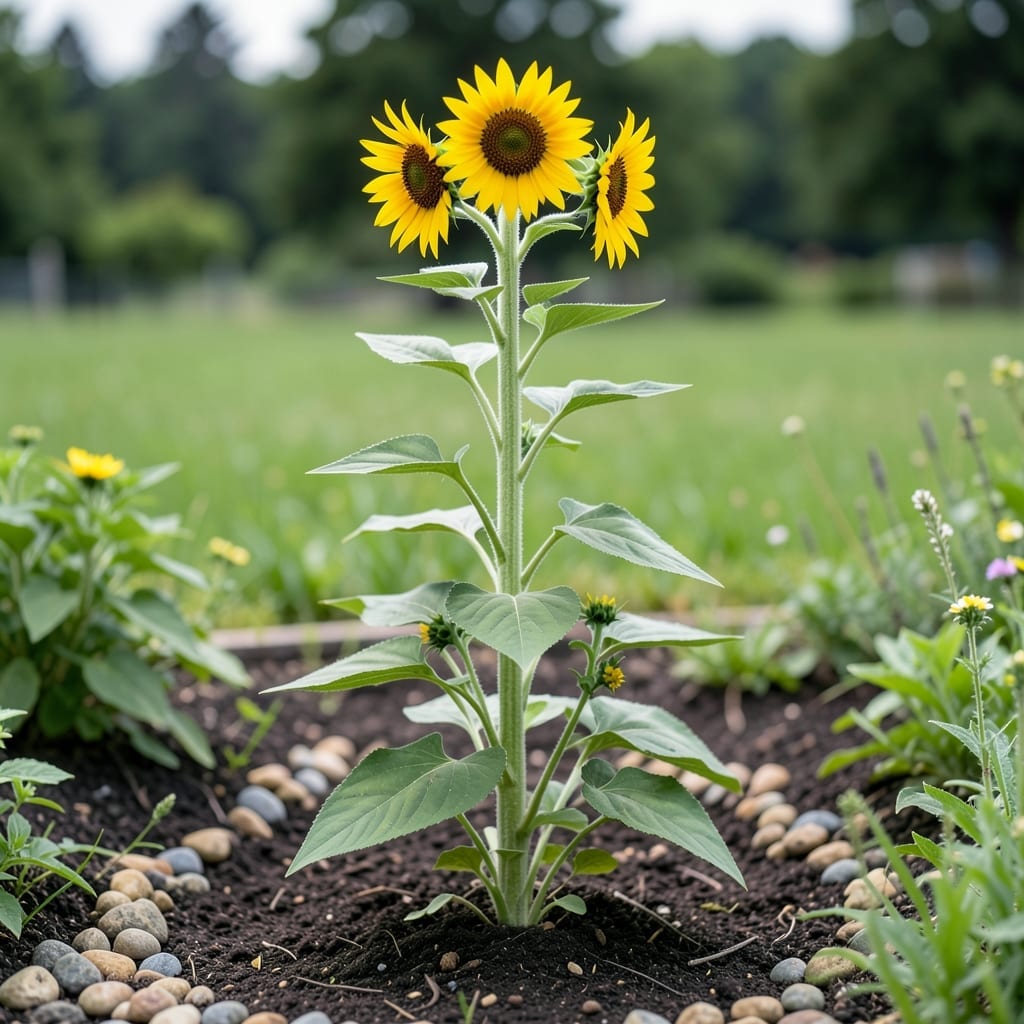
Those first spring leaves on rudbeckia always surprise me with their deep green intensity. They emerge later than most perennials, often waiting until soil warms to 55°F.
Early growth looks different from the familiar summer foliage—narrower, with a slightly fuzzy texture. This is normal, not a problem to fix. The plants are focusing energy on root development before leafing out fully.
What you do now sets the stage for summer blooms. Clear away last year’s dead growth to make room. A light mulch helps retain moisture during this critical establishment period.
Within 2-3 weeks, you’ll see the classic rudbeckia leaf shape forming. That’s when the real growth explosion begins.
Rudbeckia leaves often show distress in spring due to a mix of environmental, fungal, and cultural factors. Here’s why it happens:
Spring’s frequent rains can oversaturate the soil, leading to root rot or Septoria leaf spot. Rudbeckia thrives in well-drained soil, and waterlogged roots suffocate, weakening the plant. Fungal spores also spread rapidly in wet conditions, causing brown or black spots on leaves.
Cool, damp spring weather creates ideal conditions for fungi like Cercospora or powdery mildew. These pathogens attack stressed plants, manifesting as yellowing, spotting, or a white powdery coating on leaves. Poor air circulation exacerbates the problem.
Sudden swings from cold nights to warm days stress rudbeckia, causing leaf discoloration or stunted growth. Young leaves are especially vulnerable to frost damage in late spring, leading to blackened or wilted edges.
Spring growth demands energy, and nutrient-deficient soil (particularly low nitrogen or potassium) can result in pale or yellowing leaves. Over-fertilizing, however, may burn roots, mimicking disease symptoms. A soil test can pinpoint deficiencies.
Aphids and spider mites emerge in spring, feeding on new growth and leaving curled or stippled leaves. These pests also spread viruses, further weakening the plant. Early inspection of leaf undersides helps catch infestations.
Addressing these causes early—improving drainage, spacing plants for airflow, or applying organic fungicides—can restore leaf health.
If your rudbeckia leaves are looking worse for wear in spring, don’t panic—most problems have simple, organic fixes. Below are the most common issues and how to tackle them head-on.
Yellow leaves often signal overwatering or poor drainage. Check if the soil stays soggy after rain. To fix it, amend heavy clay soil with compost or plant in raised beds. For potted rudbeckias, ensure containers have drainage holes. Prevention tip: 💡 Water at the base in the morning to let excess moisture evaporate during the day.
Slugs, snails, and Japanese beetles love munching on rudbeckia leaves. For slugs and snails, set up beer traps or sprinkle diatomaceous earth around plants. Handpick beetles in the early morning when they’re sluggish. Prevention tip: 🌿 Encourage natural predators like birds and ground beetles by adding a small water source or native plants nearby.
Fungal diseases (like leaf spot) thrive in wet, crowded conditions. Remove infected leaves immediately and space plants to improve airflow. Spray with a baking soda solution (1 tsp baking soda + 1 quart water + a drop of dish soap) weekly until symptoms fade. Prevention tip: 🌧️ Avoid overhead watering—use a soaker hose to keep foliage dry.
Weak or slow-growing rudbeckias may lack essential nutrients. Work in a 2-inch layer of compost around the base, or apply a balanced organic fertilizer (10-10-10) in early spring. Prevention tip: ✨ Test your soil every 2–3 years to monitor nutrient levels and pH (rudbeckias prefer 6.0–7.0).
With these targeted fixes, your rudbeckia leaves will bounce back, ready to shine all season long!
They typically emerge when soil warms to 55°F. Expect narrow, slightly fuzzy early leaves that look different from summer foliage. Growth accelerates after 2-3 weeks.
This often signals overwatering or poor drainage. Check if soil stays soggy after rain. Amend heavy clay with compost or move to raised beds.
Improve airflow by spacing plants properly. Use a soaker hose instead of overhead watering. Remove infected leaves immediately and apply organic fungicides.
Clear away last year’s dead growth first. Add a 2-inch compost layer and maintain consistent moisture. Avoid heavy fertilizing until active growth begins.