
Beautiful Plants For Your Interior
Beautiful Plants For Your Interior
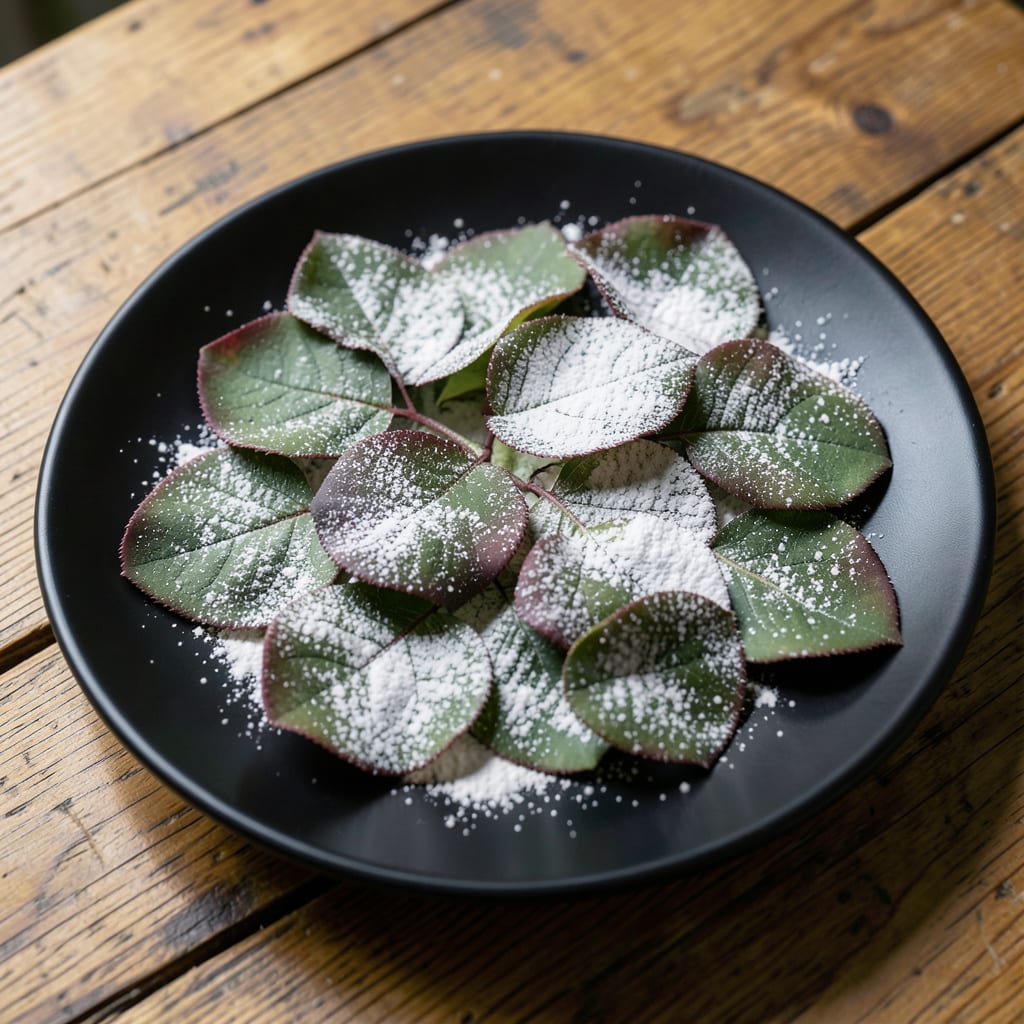
That white dust on your rose leaves isn’t just ugly—it’s powdery mildew stealing your plant’s strength. I’ve battled this fungal enemy for years and learned the hard way that ignoring it leads to stunted blooms and weak growth.
It thrives in humid conditions with poor air circulation, especially when leaves stay wet for hours. My roses used to look like they’d been dusted with flour by midsummer until I changed my watering and pruning habits.
You can fight back with a simple spray of baking soda and water, or go organic with neem oil. Chemical fungicides work too, but I prefer methods that won’t harm bees buzzing around my garden.
Prevention is easier than cure: space plants properly, water at the base, and prune for airflow. Your roses will thank you with healthier leaves and more vibrant blooms next season.
The white powdery substance on rose leaves is typically caused by environmental and biological factors that create ideal conditions for fungal growth. Below are the most common causes:
The primary culprit is Podosphaera pannosa, a fungus that thrives in warm, dry days followed by cool, humid nights. This pathogen spreads via airborne spores, which germinate on leaf surfaces when relative humidity is high (60–90%) but the leaves remain dry. Roses in crowded or poorly ventilated areas are especially vulnerable.
Watering roses from above—especially in the evening—leaves foliage damp for extended periods. This prolonged moisture on leaves accelerates fungal spore germination. Drip irrigation or soaker hoses at the base of the plant are safer alternatives.
Rapid swings between day and night temperatures, combined with high humidity, stress the plant and weaken its natural defenses. Roses grown in shaded, still-air locations are more prone to powdery mildew due to reduced airflow and slower leaf drying.
Dense plantings or nearby structures that block airflow trap moisture around the foliage. Pruning for openness and spacing roses at least 3–4 feet apart improves ventilation, reducing fungal spore settlement and growth.
Excess nitrogen promotes lush, soft growth that’s more susceptible to infection. Conversely, low potassium or phosphorus weakens the plant’s cellular structure, making it easier for fungi to invade. A balanced, slow-release fertilizer helps maintain resilience.
If you’ve spotted a white powdery substance on rose leaves, it’s likely powdery mildew—a common fungal issue. Here’s how to tackle it based on the root cause, along with prevention tips to keep your roses thriving.
Fix: Prune overcrowded stems and leaves to improve airflow. Space plants at least 2–3 feet apart. Water at the base (not overhead) to reduce humidity on foliage.
Prevention: Plant roses in sunny, well-ventilated spots. Avoid dense groupings.
Fix: Switch to drip irrigation or a soaker hose. If hand-watering, aim for the soil, not the leaves. Water early in the day so foliage dries quickly.
Prevention: Use a watering wand with a long spout to direct water to the roots.
Fix: Apply a baking soda spray (1 tsp baking soda + 1 quart water + a few drops of dish soap) weekly until the issue clears. For severe cases, use a fungicide like neem oil or sulfur-based products.
Prevention: Thin out nearby plants, and avoid evening watering. A small fan can help circulate air in greenhouses.
Fix: Boost plant health with a balanced fertilizer (10-10-10) or compost tea. Weak plants are more susceptible to fungi.
Prevention: Feed roses monthly during growing season. Remove fallen leaves and debris to limit fungal spores.
💡 Pro Tip: Remove and destroy heavily infected leaves (don’t compost them!) to prevent spreading. Sterilize pruning tools with rubbing alcohol between cuts.
Yes, it’s harmless to humans but avoid inhaling spores. Wash hands after handling infected leaves to prevent spreading the fungus to other plants.
Powdery mildew spores travel by wind, so isolate affected roses and treat neighboring plants preventatively with neem oil or sulfur sprays.
A diluted vinegar solution (2 tablespoons per 1 gallon of water) can help, but test on a few leaves first—it may burn sensitive foliage.
Recurrence happens without addressing root causes like poor airflow or evening watering. Prune for openness and water early in the day to break the cycle.
