
Beautiful Plants For Your Interior
Beautiful Plants For Your Interior
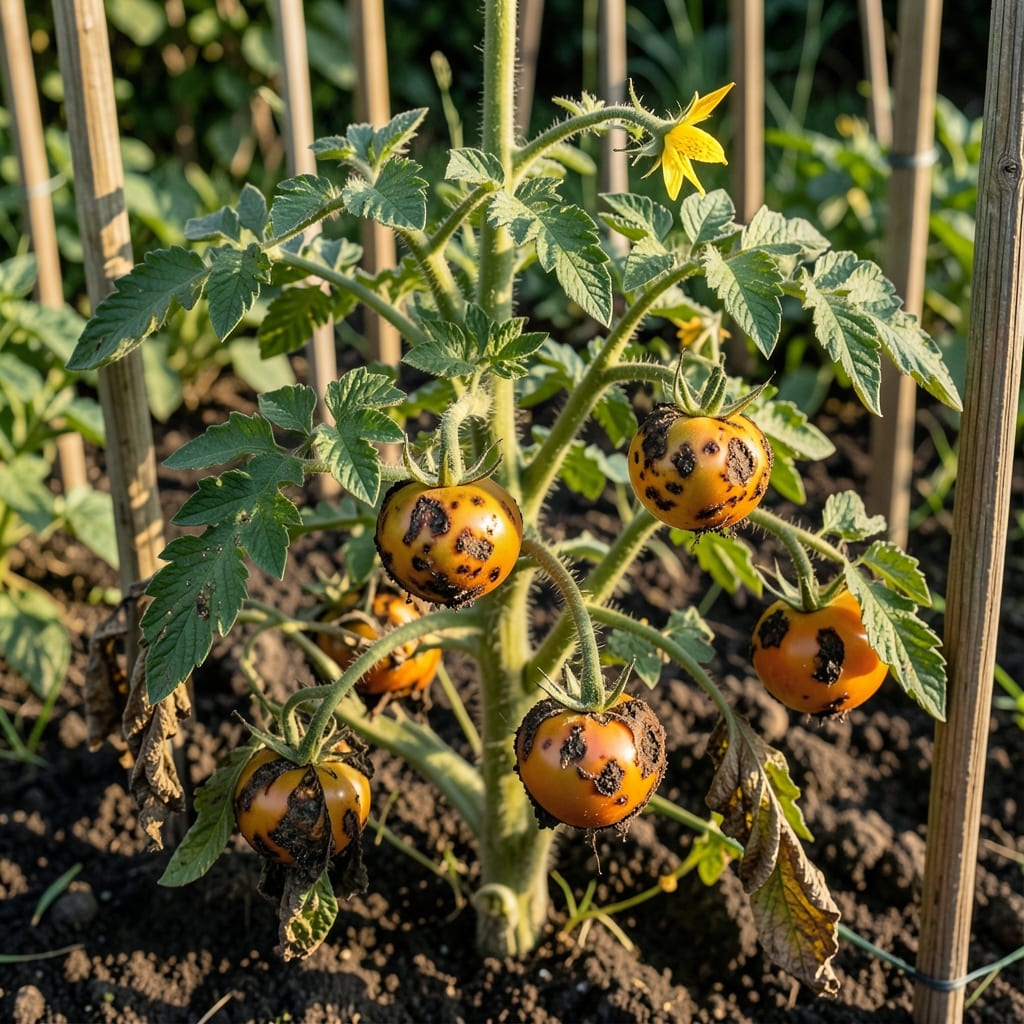
Spotted brown patches on your tomatoes? That’s rot setting in, and it spreads faster than you think. I’ve lost entire crops to this before learning the early warning signs.
It’s not just about water—though overwatering plays a huge role. Rot hits when moisture meets the wrong conditions: poor airflow, soil splash, or crowded plants.
Catching it early means saving most of your harvest. The key is checking plants daily once fruit sets, especially after rain or heavy watering.
Prevention beats treatment every time. Simple fixes like mulching, proper spacing, and morning watering make all the difference.
Understanding why rot on tomatoes occurs is key to stopping it in its tracks. Several factors can trigger this frustrating issue, from environmental conditions to poor cultural practices. Below are the most common causes, explained in simple, actionable terms.
Fungi like Phytophthora and Alternaria thrive in warm, wet conditions. These pathogens enter through wounds or natural openings in the fruit, causing soft, discolored spots that spread quickly. Overhead watering and crowded plants create the perfect breeding ground.
Too much water—whether from rain, irrigation, or high humidity—leads to blossom-end rot and other decay types. Saturated soil suffocates roots, reducing calcium uptake, while wet foliage invites fungal spores. Poor drainage or heavy clay soil worsens the problem.
Extreme heat or cold stress disrupts a tomato’s metabolism. Heat waves accelerate water loss, causing cracking that lets rot-causing organisms in. Conversely, chilly nights slow growth, making fruits more susceptible to infection.
A lack of calcium or potassium weakens plant defenses. Calcium deficiency often leads to blossom-end rot, while low potassium reduces disease resistance. Over-fertilizing with nitrogen can also promote lush foliage at the expense of fruit health.
Insects like stink bugs and fruitworms puncture tomato skins, creating entry points for rot. Even minor wounds from pruning or handling can invite infection if left untreated.
Dealing with rot on tomatoes can be frustrating, but these targeted solutions will help you save your crop. Address each cause with the right fix, and follow prevention tips to keep your plants healthy long-term.
Fix: Reduce watering immediately and ensure your soil drains well. If the soil is soggy, hold off on watering until the top inch feels dry. For potted plants, check that drainage holes aren’t clogged. Consider repotting in fresh, well-draining soil if root rot is severe.
Prevention: Water deeply but infrequently—early morning is best. Use raised beds or containers with drainage holes, and mix in compost or sand to improve soil structure.
Fix: Remove infected fruit and foliage right away to prevent spread. Apply a copper-based fungicide or a baking soda spray (1 tsp baking soda, 1 quart water, and a few drops of dish soap) every 5–7 days. For severe cases, use neem oil as a natural treatment.
Prevention: Space plants properly for airflow, and avoid wetting the leaves when watering. Rotate crops yearly, and clean garden tools with rubbing alcohol to stop pathogens from spreading.
Fix: Test your soil to identify imbalances. For calcium deficiency (common with blossom end rot), apply a calcium-rich amendment like crushed eggshells or lime. If over-fertilization is the issue, flush the soil with water to remove excess salts.
Prevention: Use a balanced, slow-release fertilizer and follow package instructions. Add organic matter like compost to improve soil health naturally.
Fix: Prune damaged areas with clean shears and dispose of them far from the garden. For pests like slugs or hornworms, handpick them or use organic pest control methods like diatomaceous earth or insecticidal soap.
Prevention: Mulch around plants to deter pests and reduce soil-borne diseases. Inspect plants regularly for early signs of trouble.
💡 Pro Tip: Healthy plants resist rot better! Strengthen your tomatoes with consistent care, proper pruning, and good hygiene practices in the garden.
Cut out the affected area with a 1-inch margin around the rot. If the rest smells fresh and looks firm, it’s safe to eat. Never consume tomatoes with mold or an off odor.
Rapid growth from uneven watering causes the skin to split. These cracks create entry points for bacteria and fungi. Water consistently, especially during dry spells.
Use pots with drainage holes and a well-draining potting mix. Water when the top 1-2 inches of soil are dry, and avoid letting plants sit in saucers of water.
Yes! A 2-3 inch layer of straw or wood chips keeps soil off fruit, reducing contact rot. It also retains moisture evenly, preventing stress cracks.