
Beautiful Plants For Your Interior
Beautiful Plants For Your Interior
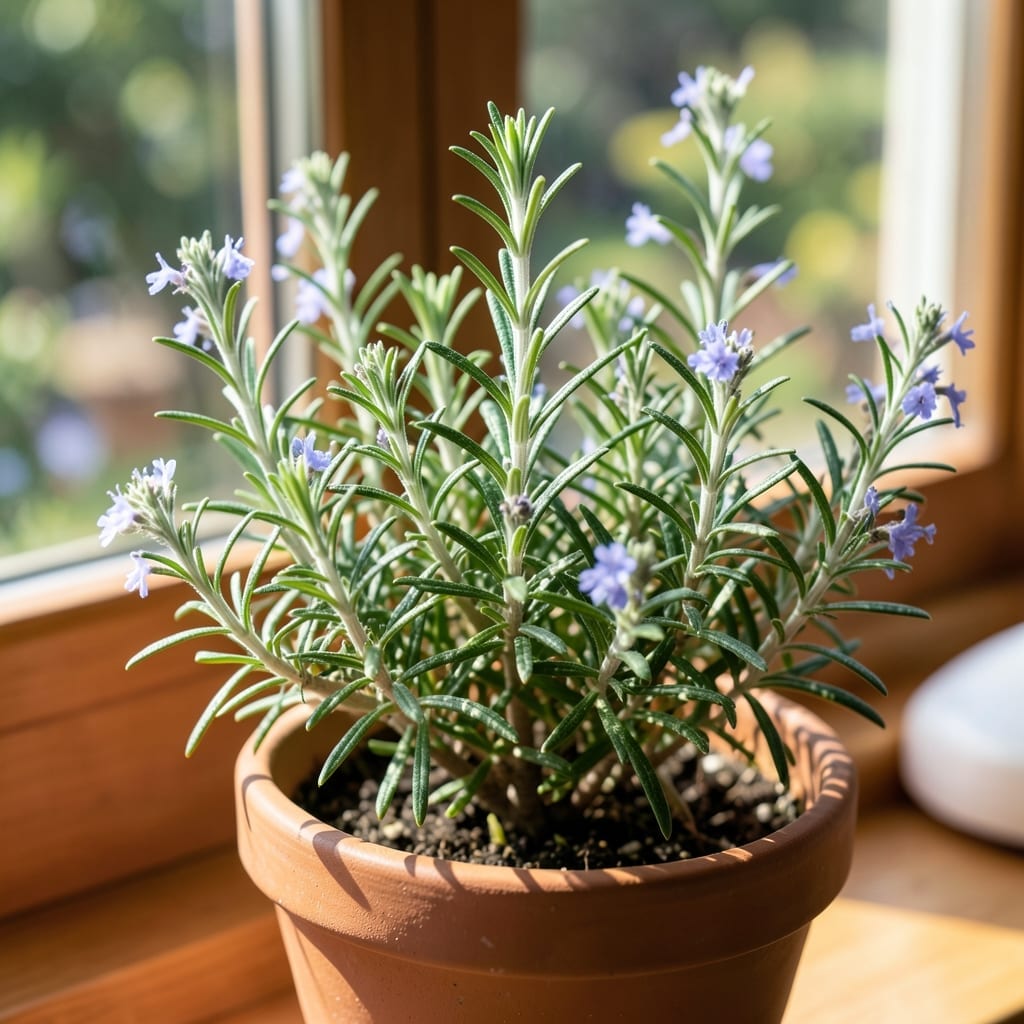
Rosemary thrives with minimal fuss if you get the basics right. I learned the hard way that too much water or the wrong soil kills it faster than neglect.
Give it well-draining soil, full sun, and occasional pruning, and you’ll have fragrant, disease-resistant plants that last for years. Even my black thumb can’t mess this up anymore.
📚 In This Guide
Here’s the method I rely on for robust rosemary that thrives with minimal fuss.
Choose a spot receiving full sun for at least 6-8 hours daily—rosemary demands intense light to develop its signature aromatic oils. The soil must drain rapidly; standing water causes root rot within 48 hours in this Mediterranean native.
I test drainage by digging a 12-inch deep hole and filling it with water. If it doesn’t empty within 1 hour, amend the area with 50% coarse sand or gravel. South-facing slopes or raised beds work exceptionally well for this plant.
Rosemary thrives in lean, rocky soils that mimic its native habitat. I incorporate 3-4 inches of compost into the top 8-10 inches of soil to improve structure without creating excessive fertility. Avoid heavy clay or overly rich soils—they produce weak, leggy growth.
The ideal pH range is 6.0-7.0. You’ll notice the difference immediately: plants in properly prepared soil establish faster and develop that distinctive silver-green foliage with intense fragrance. Test your soil if you’re unsure—it’s a game-changer.
Space plants 2-3 feet apart to accommodate mature spread. For container growing, select pots at least 12 inches deep and wide with multiple drainage holes. Plant at the same depth it was growing in its nursery container—burying the stem too deep suffocates the plant.
I always rough up the root ball slightly before planting to encourage outward growth. Water thoroughly after planting, then let the soil dry out completely between waterings. This mimics the dry conditions rosemary prefers and prevents fungal issues.
Once established, rosemary requires water only when the top 2-3 inches of soil feel completely dry. Overwatering is the most common mistake—you’ll see yellowing leaves and mushy stems as the first warning signs. In most climates, mature plants need supplemental water just 1-2 times per month.
For container-grown specimens, water until it runs from the drainage holes, then empty the saucer immediately. The plant’s natural drought tolerance means it will recover from underwatering far better than overwatering. I’ve found that morning watering allows excess moisture to evaporate during the day.
Prune lightly after flowering in early summer to encourage bushier growth. Never remove more than one-third of the plant at once, as rosemary recovers slowly from heavy pruning. Use clean, sharp shears to make cuts just above a leaf node.
The best time to harvest is in the morning after the dew dries but before the heat sets in. Regular light pruning throughout the growing season maintains shape and provides a steady supply of fresh sprigs. Avoid pruning in late fall—new growth won’t have time to harden off before winter.
These essential insights will help you avoid the most common pitfalls when growing rosemary.
The Sun Factor: Rosemary absolutely requires that 6-8 hours of daily full sun mentioned in Step 1 to develop its aromatic oils. If your plant isn’t getting enough light, you’ll notice weak growth and poor fragrance. South-facing locations or raised beds can help maximize sun exposure.
Drainage is Non-Negotiable: The drainage test in Step 1 is crucial—standing water will cause root rot within 48 hours. If your soil fails the 1-hour drainage test, amending with 50% coarse sand or gravel as specified will save your plant from this common fatal mistake.
Pruning Precision: When following Step 5’s pruning instructions, remember that rosemary recovers slowly. Never exceed removing one-third of the plant at once, and always use clean shears. The morning harvest time mentioned is ideal as the oils are most concentrated then.
Watering Wisdom: The 1-2 times per month watering schedule in Step 4 is for established plants. Newly planted rosemary needs more frequent watering until roots establish, but always let the top 2-3 inches dry out completely between waterings to prevent issues.
Water rosemary deeply but infrequently—about once every 1-2 weeks, depending on your climate. Let the soil dry out completely between waterings to prevent root rot. Overwatering is a common issue, so err on the side of drought!
Yes! Rosemary thrives indoors with plenty of sunlight (6+ hours daily) and well-draining soil. Place it near a south-facing window or use a grow light. Ensure good airflow to prevent fungal diseases.
Prune rosemary in early spring or after flowering to encourage bushier growth. Avoid heavy pruning in late fall or winter, as new growth may be vulnerable to cold damage.
Yellow leaves often indicate overwatering or poor drainage. Check the soil—if it’s soggy, reduce watering and improve drainage. Nutrient deficiencies or pests can also cause yellowing, so inspect the plant closely.
Absolutely! Take 4-6 inch cuttings from healthy stems, remove lower leaves, and dip in rooting hormone. Plant in moist, well-draining soil and keep humid until roots form (usually 3-6 weeks).