
Beautiful Plants For Your Interior
Beautiful Plants For Your Interior
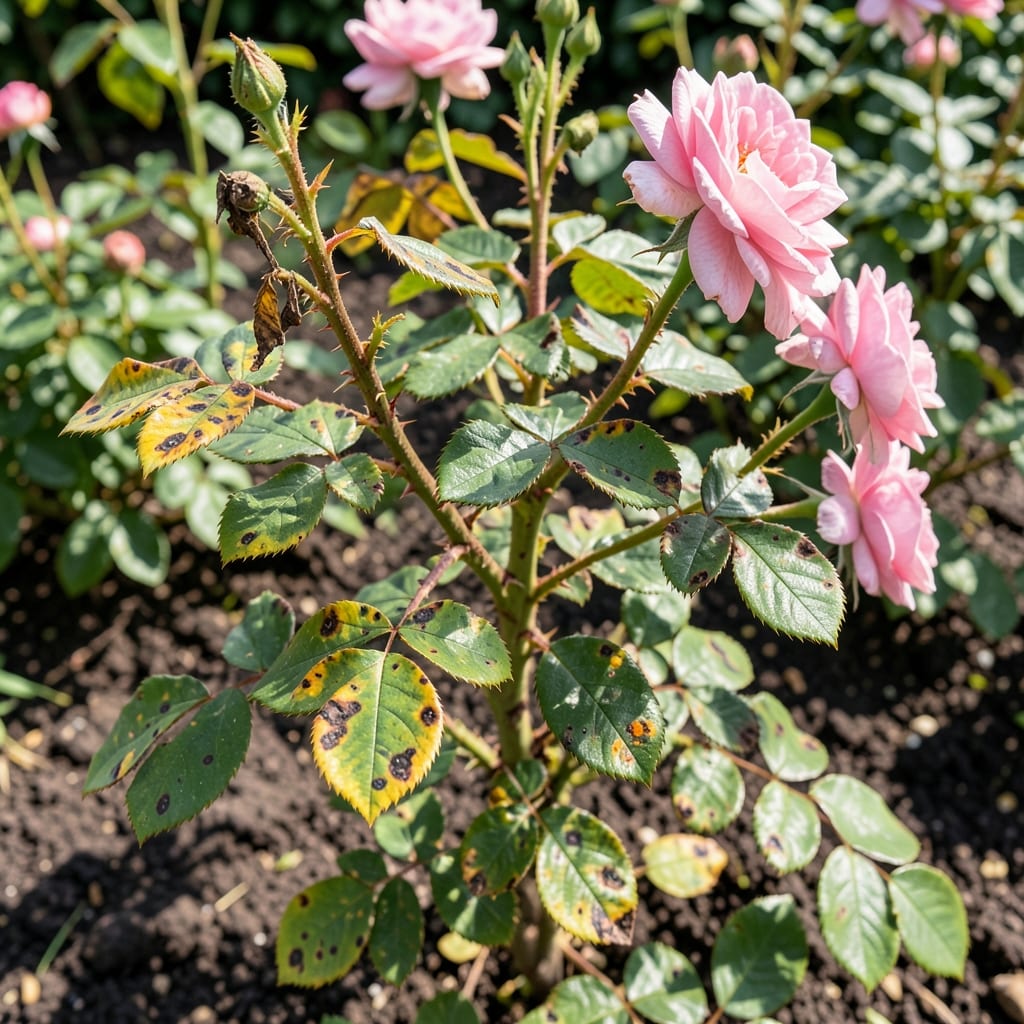
Orange pustules on your rose leaves aren’t just ugly—they’re a warning sign. I first spotted rose rust last summer and nearly lost my favorite climber before figuring out how to stop it.
The disease spreads fast in wet conditions, turning those bright spots into blackened stems and defoliated plants. Catching it early makes all the difference between a quick recovery and a season-long battle.
Organic treatments work surprisingly well if you act fast. A simple mix of baking soda and water, applied weekly, can halt the spread without harsh chemicals.
Your roses can bounce back with the right approach. Here’s how to identify, treat, and prevent this stubborn fungal invader.
Rose rust is a fungal disease caused by Phragmidium species, and its emergence is tied to specific environmental and biological conditions. Below are the key reasons why this disease takes hold in your garden.
Fungal spores thrive in wet conditions. Prolonged leaf wetness—from rain, overhead watering, or high humidity—creates the perfect breeding ground for rust. Roses with dense foliage or poor air circulation trap moisture, accelerating spore germination and infection.
Rust fungi flourish in temperatures between 60–75°F (15–24°C). Cool, damp springs or mild autumns are prime seasons for outbreaks, as these conditions allow spores to survive and spread rapidly across rose leaves and stems.
Spores overwinter in fallen leaves, canes, and garden debris. If old infected material isn’t removed, it releases spores in the next growing season, reinfecting healthy plants. Pruning or composting affected foliage is critical to breaking this cycle.
Crowded rose bushes or planting in shaded, stagnant areas limits airflow, keeping foliage damp for longer. Good spacing (at least 3–4 feet apart) and pruning for an open center help dry leaves faster, reducing rust risk.
Using unsterilized pruning shears or working in infected soil can transfer rust spores to healthy roses. Always disinfect tools with rubbing alcohol or a 10% bleach solution between cuts to prevent cross-contamination.
Dealing with rose rust can feel overwhelming, but with the right approach, you can restore your roses to their former glory. Here’s how to tackle the most common causes and keep your garden thriving.
If you spot orange or yellow pustules on leaves or stems, act fast. Prune and discard affected parts immediately to prevent the fungus from spreading. Use clean, sharp shears, and disinfect them with rubbing alcohol between cuts. Never compost infected material—toss it in the trash or burn it.
Dense, damp foliage is a playground for rust spores. Thin out crowded stems to let air flow freely, and space your rose bushes at least 3 feet apart. Water at the base of the plant in the morning so leaves dry quickly. Consider a drip irrigation system to keep foliage dry while hydrating roots.
For active infections, spray with neem oil or copper-based fungicides every 7–10 days until the problem clears. Apply in the evening to avoid harming pollinators. For a DIY option, mix 1 tablespoon baking soda + 1 teaspoon dish soap + 1 gallon water and spray weekly as a preventive.
With consistency, your roses will bounce back—and stay rust-free for seasons to come!
It can move fast in wet conditions, infecting nearby roses within 7-10 days. Remove affected leaves immediately and avoid overhead watering to slow the spread.
Yes, if infected debris remains. Spores overwinter in fallen leaves and soil, so clean up thoroughly in autumn. Disinfect tools and avoid composting diseased material.
Yes, but organic options like neem oil or baking soda spray work well for mild cases. For severe infections, copper fungicides are effective but require careful application.
Apply treatments in the evening to avoid harming pollinators. Early morning works too, as long as leaves can dry quickly. Consistency every 7-10 days is key.