
Beautiful Plants For Your Interior
Beautiful Plants For Your Interior
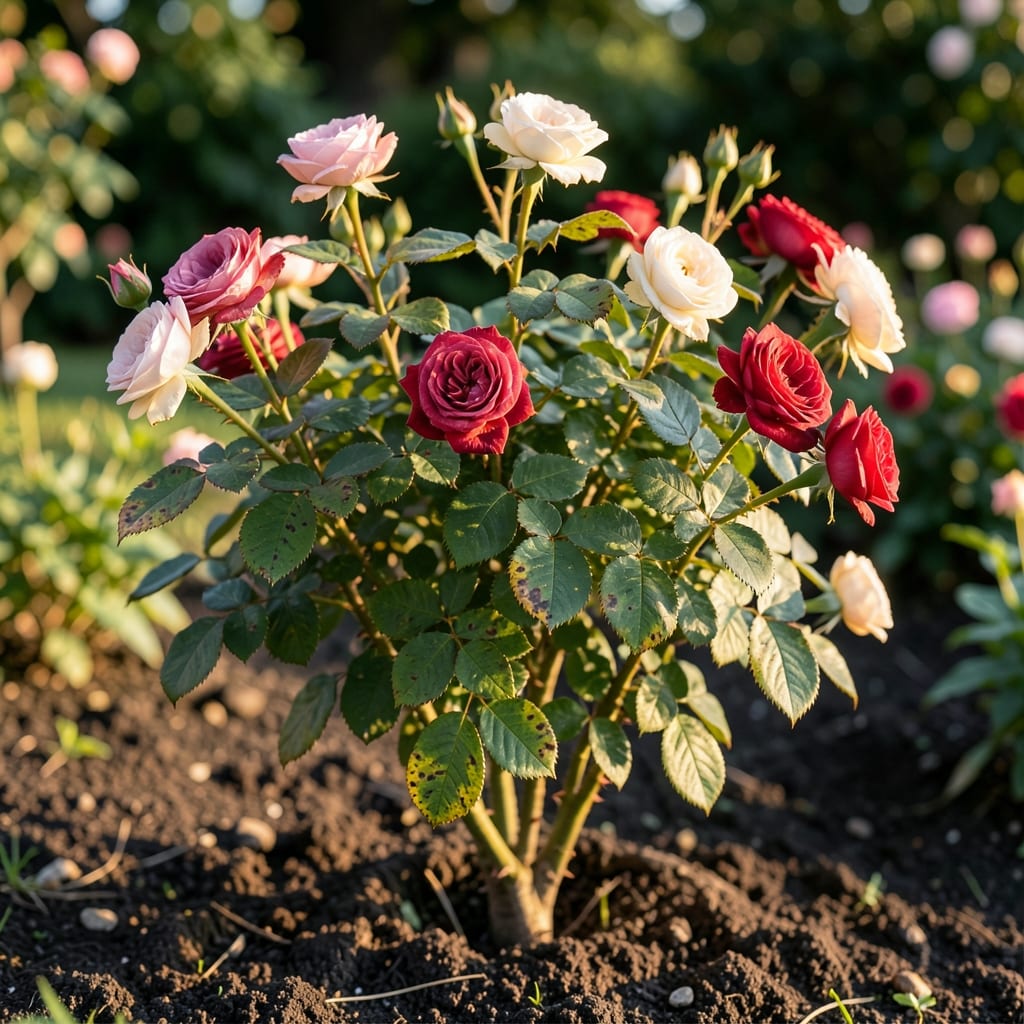
Those dark spots on your rose leaves aren’t a death sentence. I’ve saved bushes from the brink with simple, organic fixes that stop the spread fast.
Black spot and other fungal issues thrive in wet conditions, but 3 basic changes to your care routine can prevent most outbreaks. Morning watering, proper spacing, and good airflow make all the difference.
My roses went from blotchy to brilliant in 2 weeks using neem oil and removing infected leaves. The plants bounced back stronger than before.
No fancy chemicals needed—just consistent observation and the right cultural practices. Here’s how to keep your roses spot-free all season.
Rose leaf spots are a common issue, but understanding the root causes can help you prevent and treat them effectively. Here are the primary culprits behind those unsightly blemishes on your roses:
Fungi like Diplocarpon rosae (black spot) and Sphaerotheca pannosa (powdery mildew) thrive in warm, humid conditions. These pathogens spread via spores, which germinate on wet foliage, leading to circular or irregular dark spots. Poor air circulation and overhead watering exacerbate fungal growth.
Prolonged leaf wetness—from rain, dew, or irrigation—creates an ideal environment for pathogens. Roses with dense canopies or those planted too closely trap moisture, accelerating spot development. Water at the base of the plant to keep foliage dry.
Weak or stressed roses are more susceptible to leaf spots. A lack of essential nutrients, particularly potassium or phosphorus, compromises the plant’s immune system. Conduct a soil test to identify and correct imbalances with organic fertilizers.
Insects like aphids and spider mites weaken roses by sucking sap, creating entry points for fungi and bacteria. Their honeydew residue also fosters sooty mold, which can mimic leaf spot symptoms. Regularly inspect leaves and use insecticidal soap if pests are present.
Extreme temperatures, drought, or sudden weather changes stress roses, making them vulnerable to infections. Mulch around the base to regulate soil temperature and moisture, and provide afternoon shade in scorching climates.
Tackling rose leaf spots starts with identifying the cause and applying targeted solutions. Below are practical fixes for common culprits, along with prevention tips to keep your roses thriving. 🌹
For black spot or powdery mildew, prune infected leaves immediately and discard them (do not compost). Apply a baking soda spray (1 tsp baking soda + 1 quart water + a drop of dish soap) weekly. For severe cases, use neem oil or a copper-based fungicide. Prevention: Improve air circulation by spacing plants, and water at the base to keep foliage dry. 💡
If aphids or spider mites are causing spots, blast them off with water or introduce ladybugs and lacewings. A soapy water spray (1 tbsp mild soap + 1 quart water) can also deter pests. Prevention: Inspect leaves regularly and encourage beneficial insects with companion planting (e.g., marigolds). ✨
Yellowing spots with crispy edges often signal overwatering. Let the soil dry slightly between waterings, and ensure pots have drainage holes. For garden roses, amend heavy soil with compost to improve drainage. Prevention: Use a moisture meter to avoid guesswork, and water deeply but less frequently. 🌡️
Purple or yellow spots may indicate a lack of magnesium (Epsom salt spray: 1 tbsp per gallon) or potassium (banana peel tea). Test soil pH (ideal: 6.0–6.5) and adjust with lime or sulfur. Prevention: Feed roses with a balanced organic fertilizer every 4–6 weeks during growing season. 🎯
Pro Tip: Always sterilize pruning tools with rubbing alcohol between cuts to avoid spreading disease! 🔥
Look for circular black spots with feathery edges on upper leaf surfaces. Leaves often turn yellow and drop prematurely. Check stems for purple-black blotches too.
Yes! Prune all infected leaves and apply neem oil weekly. Improve airflow and water at the base. Most bushes recover in 2-3 weeks with consistent care.
Start at first signs, ideally in early morning. Treat every 7-10 days until spots disappear. Preventative sprays work best in spring before wet weather.
A baking soda spray (1 tsp per quart) or diluted milk (1:9 ratio) can stop fungal spread. Both are safe and effective.