
Beautiful Plants For Your Interior
Beautiful Plants For Your Interior
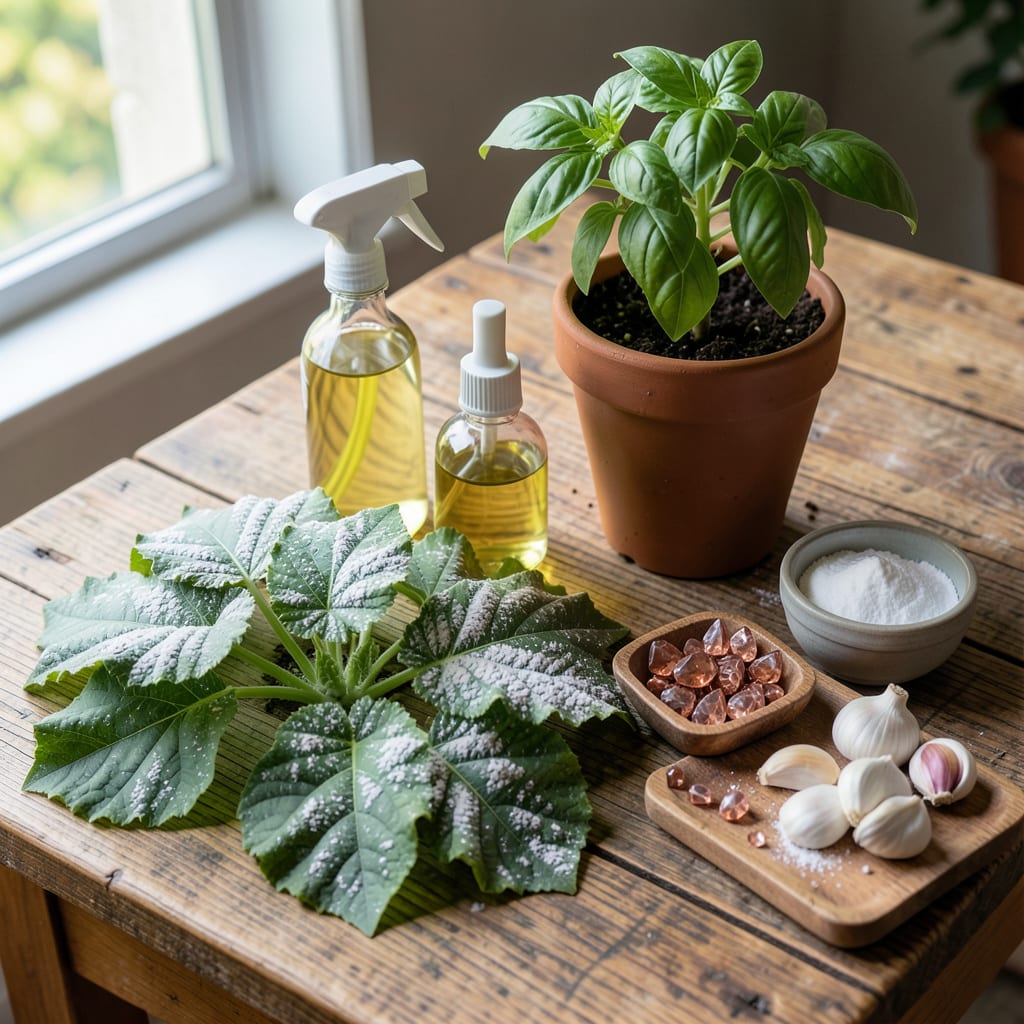
That white powder on your leaves isn’t flour—it’s trouble. 🌿 Powdery mildew spreads fast, turning healthy plants into sad, spotted messes if you don’t act. I’ve lost entire cucumber crops to this in a single week.
Here’s the thing—it’s not just ugly. This fungus weakens plants, stunts growth, and can kill young seedlings. The good news? It’s 100% treatable with simple, organic fixes you probably have at home.
You’ll stop the spread within 24-48 hours using everyday items like milk, baking soda, or neem oil. No fancy chemicals, no harsh sprays—just effective, plant-safe solutions.
Works on roses, squash, tomatoes, and more. Let’s clear it up before it clears out your garden.
Powdery mildew is a common fungal disease that can quickly spread across your garden, but understanding why it happens is the first step to stopping it. Here are the primary causes, broken down into clear, actionable insights.
This fungus thrives in environments with high humidity (60-80%) but low moisture on the leaves. Unlike other fungal diseases, powdery mildew doesn’t need wet foliage to grow—just stagnant air. Crowded plants, dense canopies, or sheltered areas trap humidity, creating the perfect breeding ground. Prune overgrown branches and space plants properly to improve circulation.
Temperature fluctuations are a major trigger. Powdery mildew spores germinate best in 70-80°F (21-27°C) daytime temperatures followed by cool nights (50-60°F / 10-15°C). These conditions slow leaf evaporation, increasing surface humidity. If your region has such swings, monitor plants closely during transitional seasons like spring and fall.
While the fungus doesn’t require wet leaves to spread, overhead watering can worsen outbreaks by raising humidity. Conversely, drought-stressed plants are more susceptible because their weakened defenses can’t fend off spores. Water at the base of plants early in the day to allow foliage to dry, and maintain consistent soil moisture.
Some plants are genetically more prone to powdery mildew, including roses, cucumbers, squash, phlox, and zucchini. Even healthy plants in ideal conditions can fall victim if the strain is aggressive. Opt for resistant cultivars (e.g., ‘Powdery Mildew Resistant’ labeled seeds) when possible, and avoid planting susceptible species in shaded, humid spots.
Plants with excess nitrogen (promoting lush, soft growth) or low potassium/phosphorus are more vulnerable. Over-fertilizing with high-nitrogen blends creates tender leaves that spores penetrate easily. Balance your fertilizer (e.g., 5-10-10 NPK) and add compost to boost plant resilience.
Powdery mildew can feel stubborn, but the right approach turns the tide fast. Below are targeted fixes for common causes, plus prevention tips to keep your plants thriving.
Trim back dense foliage to let air circulate freely. Space plants farther apart if they’re too close. A small fan on low can also help, but avoid strong gusts that stress plants.
Prevention tip: Always prune regularly to maintain good airflow before issues start.
Water at the base of the plant in the morning so leaves dry quickly in the sun. Avoid overhead watering, especially in the evening. If humidity is high, consider a dehumidifier nearby.
Prevention tip: Use drip irrigation to keep foliage dry and roots happy.
Move potted plants to sunnier spots or thin out taller plants casting shadows. Aim for at least 6 hours of sunlight daily for most garden plants.
Prevention tip: Rotate indoor plants weekly so all sides get even light exposure.
Apply a balanced organic fertilizer to strengthen plants. Weak plants are more susceptible, so a nutrient boost helps them resist fungal attacks.
Prevention tip: Top-dress with compost every season to maintain soil fertility.
Mix 1 tablespoon of baking soda, 1 teaspoon of dish soap, and 1 gallon of water. Spray on affected leaves weekly until the mildew clears. Neem oil (mixed per label instructions) is another effective organic option.
Prevention tip: Apply preventative sprays every 2-3 weeks during humid seasons.
With these steps, your plants will bounce back—and stay resilient against future outbreaks. Consistency is key!
No, a properly diluted baking soda solution is safe for most plants. Use 1 tablespoon per gallon of water with a drop of dish soap. Test on a small area first if using sensitive plants like ferns.
For active infections, apply neem oil every 7-10 days until the issue resolves. For prevention, use it every 2-3 weeks during humid seasons. Always follow label instructions.
Yes, spores can travel via wind, water, or garden tools. Isolate infected plants and sterilize tools after use. Remove severely affected leaves to prevent further spread.
Apply treatments in the morning so leaves dry quickly in sunlight. Evening applications can trap moisture overnight, worsening the problem. Avoid spraying in direct midday sun to prevent leaf burn.
