
Beautiful Plants For Your Interior
Beautiful Plants For Your Interior
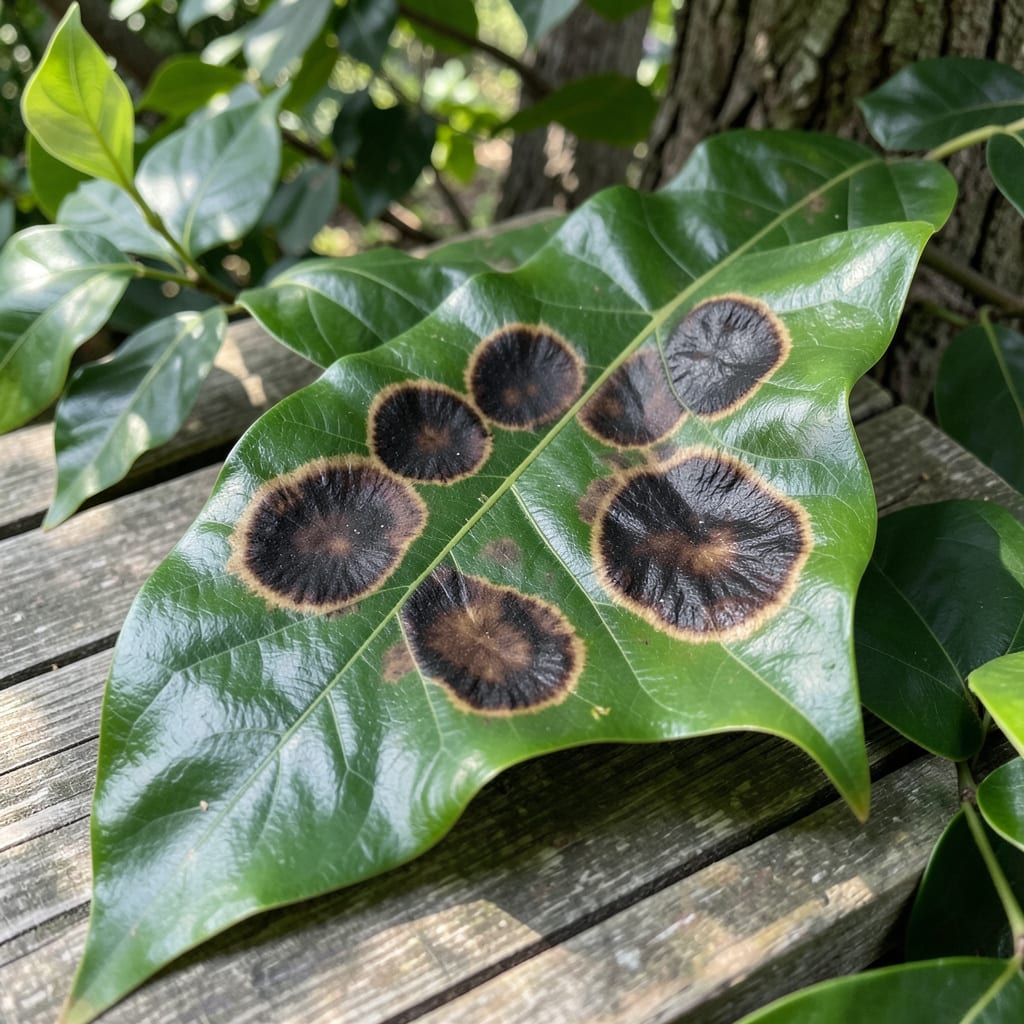
Those brown spots on your magnolia leaves aren’t sunburn—they’re trouble. 🌱 Fungal leaf spot starts small but spreads fast, turning your tree’s pride into a polka-dotted mess by midsummer.
Here’s the thing—this sneaks in through wet foliage. Overhead watering, crowded branches, or a rainy spring create perfect conditions. I’ve lost entire seasons of blooms to this before learning the early signs.
You can stop it without chemicals. Remove infected leaves immediately, improve air circulation, and apply organic fungicides at the first yellow halo. Consistency beats intensity here.
Catch it early and your magnolia bounces back faster than you’d expect. Left unchecked, it’ll weaken the tree year after year.
Magnolia fungal leaf spot doesn’t appear out of nowhere—it’s usually the result of specific environmental and biological triggers. Here’s a breakdown of the most common causes:
Fungal spores thrive in wet conditions. Overwatering, poor drainage, or frequent rain can create the perfect breeding ground for pathogens like Coniothyrium or Phyllosticta. When leaves stay damp for extended periods, spores germinate and infect the tissue.
Dense canopies or crowded plantings trap humidity around magnolia leaves, slowing evaporation. Stagnant air prevents foliage from drying quickly, giving fungi more time to take hold. Pruning for better airflow can significantly reduce infection risk.
Fallen leaves or plant debris harbor fungal spores, which can overwinter and reinfect magnolias in the spring. Failing to clean up leaf litter or composting infected material without proper heat treatment spreads the problem.
Cool, wet springs followed by warm summers create ideal conditions for fungal growth. Spores activate in mild temperatures (60–75°F) and spread rapidly when splashed by rain or irrigation. Monitoring weather patterns helps predict and prevent outbreaks.
Tackling magnolia fungal leaf spot starts with quick action and smart habits. Below are targeted fixes for common causes, paired with prevention tips to keep your magnolia thriving. 🌿
Fungal spores thrive in wet conditions. Switch to drip irrigation or a soaker hose to water at the base of the plant, keeping leaves dry. Water early in the morning so foliage dries quickly in the sun. Prevention tip: Space plants for good airflow to reduce humidity buildup. 💡
Dense canopies trap moisture, creating a fungal paradise. Prune overcrowded branches to open the center of the tree, allowing air to circulate. Remove fallen leaves and debris promptly—they can harbor spores. Prevention tip: Thin out nearby shrubs or plants that block airflow. ✨
At the first sign of spots, pluck and destroy infected leaves (don’t compost them!). For mild cases, apply a copper-based fungicide or a homemade mix of 1 tsp baking soda + 1 quart water + a few drops of dish soap. Spray every 7–10 days until symptoms fade. Prevention tip: Sterilize pruning tools with rubbing alcohol between cuts to avoid spreading spores. 🎯
A stressed magnolia is more susceptible. Fertilize in early spring with a balanced, slow-release formula to strengthen the tree. Mulch around the base (but not touching the trunk) to retain moisture and regulate soil temperature. Prevention tip: Avoid high-nitrogen fertilizers—they promote leafy growth, which is more vulnerable to fungi. 🌡️
Look for small brown or black spots with yellow halos on the upper leaf surface. These often merge into larger blotches. Unlike insect damage, fungal spots won’t have chewed edges.
Rarely. While unsightly, fungal leaf spot typically doesn’t kill mature trees. However, repeated severe infections can weaken the plant over time and reduce flowering.
Apply at first sign of spots, then every 7-10 days during wet weather. Early morning applications work best as leaves dry quickly. Preventative spraying in early spring can help too.
