
Beautiful Plants For Your Interior
Beautiful Plants For Your Interior
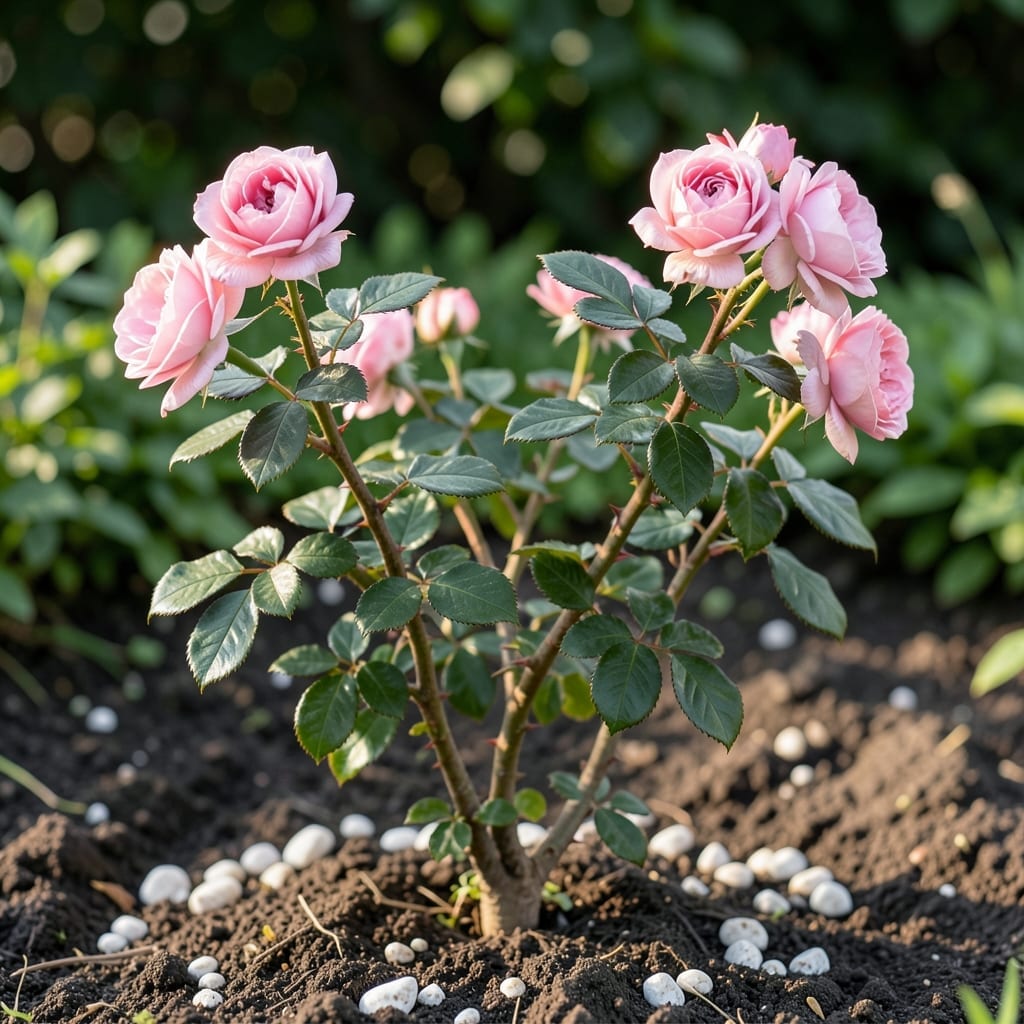
Spotted black spots or powdery white coating on your roses? I’ve seen both ruin entire bushes overnight. These aren’t just cosmetic issues—they’re signs your plants are under attack.
Catching problems early means the difference between a full recovery and losing the whole plant. The good news: organic solutions work just as well as chemicals, without the harsh side effects. Here’s how to spot, treat, and prevent common rose diseases.
📚 In This Guide
Use this method to spot symptoms early and apply organic remedies that actually work.
Rose gardeners disease first appears as raised, red, itchy bumps on your hands and forearms, often in linear patterns where thorns have scratched the skin. Unlike typical allergic reactions, these lesions may develop into pustules within 24-48 hours, indicating bacterial infection from Sporothrix schenckii fungus.
I always check for dark, branching streaks under the skin—this is the fungus spreading through lymphatic channels. The initial scratch might seem harmless, but the progression is unmistakable. Don’t confuse this with poison ivy; rose thorn infections follow the path of the scratch.
Watch for swelling and localized warmth at the infection site. These are your body’s first immune responses to the fungal spores introduced through thorn pricks.
At the first sign of symptoms, wash the area with soap and warm water for at least 5 minutes. Use a soft brush if pustules haven’t formed yet to remove any remaining spores. I keep a dedicated nail brush in my gardening kit for this exact purpose.
Apply rubbing alcohol (70% isopropyl) to disinfect the wound after washing. This step is critical—Sporothrix spores are tough and can survive superficial cleaning. Pat dry with a clean towel, but avoid rubbing, which can spread the spores to other skin areas.
Change into clean clothes and wash your gardening attire in hot water. Spores can linger on fabric and reinfect you later.
Start with tea tree oil, a powerful natural antifungal. Dilute 2-3 drops in 1 teaspoon of coconut oil and apply to the affected area 3 times daily. Tea tree oil’s terpinen-4-ol compound directly attacks fungal cell walls.
For more advanced cases, use a garlic paste. Crush 2 cloves of fresh garlic into a paste and apply directly to lesions, covering with a bandage for 20-30 minutes daily. Garlic’s allicin has proven antifungal properties, though it may sting initially.
If pustules form, switch to apple cider vinegar soaks. Soak a clean cloth in undiluted vinegar and apply for 10 minutes twice daily. The acetic acid creates an inhospitable environment for fungal growth.
Track the infection’s progression daily. If the red streaks extend beyond 2 inches from the original site, or if you develop a fever, seek medical attention immediately. Sporotrichosis can become systemic if left untreated.
I’ve found that most cases resolve within 2-3 weeks with consistent organic treatment. However, if lesions spread to other body parts or lymph nodes become visibly swollen, professional antifungal medication may be necessary.
Continue treatment for at least 1 week after symptoms disappear to ensure complete eradication. Sporothrix can lie dormant and recur if treatment stops too soon.
Here’s what I’ve learned from treating this condition—details that make all the difference.
The Time Factor: Those first 24-48 hours are critical. If raised, red bumps appear in linear patterns along a thorn scratch, don’t wait to see if pustules form. The branching streaks under the skin confirm the fungus is already spreading through lymphatic channels, and early intervention is key.
Cleaning Techniques: When washing the area in Step 2, the full 5 minutes of scrubbing with soap and warm water isn’t just thorough—it’s your first line of defense against Sporothrix spores. Use a soft brush to physically remove spores if pustules haven’t formed yet, but avoid harsh scrubbing that could spread them further.
Treatment Timing: For the garlic paste in Step 3, the 20-30 minutes daily application window is non-negotiable. Shorter sessions won’t allow allicin to penetrate effectively, while longer ones risk skin irritation. Similarly, the apple cider vinegar soaks require the full 10 minutes twice daily to disrupt fungal growth without over-drying the skin.
Recovery Protocol: Those final 2-3 weeks of treatment often feel like overkill, but stopping early is how this condition recurs. Even after symptoms vanish, that 1 week of continued treatment ensures you’ve fully eradicated the dormant spores that could reignite the infection.
Look for red, itchy rashes or blisters on hands and arms after handling roses. These often appear within 1-2 days of exposure to thorns or sap. Early detection helps prevent spreading.
Wear thick gloves and long sleeves when pruning roses. Wash hands immediately after contact, and apply a barrier cream for extra protection.
Yes! Apply aloe vera gel or calendula cream to soothe irritation. For severe cases, consult a doctor—organic options may not replace medical treatment.
Yes, but take precautions. Use tools to minimize direct contact, and opt for thornless rose varieties to reduce risk.