
Beautiful Plants For Your Interior
Beautiful Plants For Your Interior
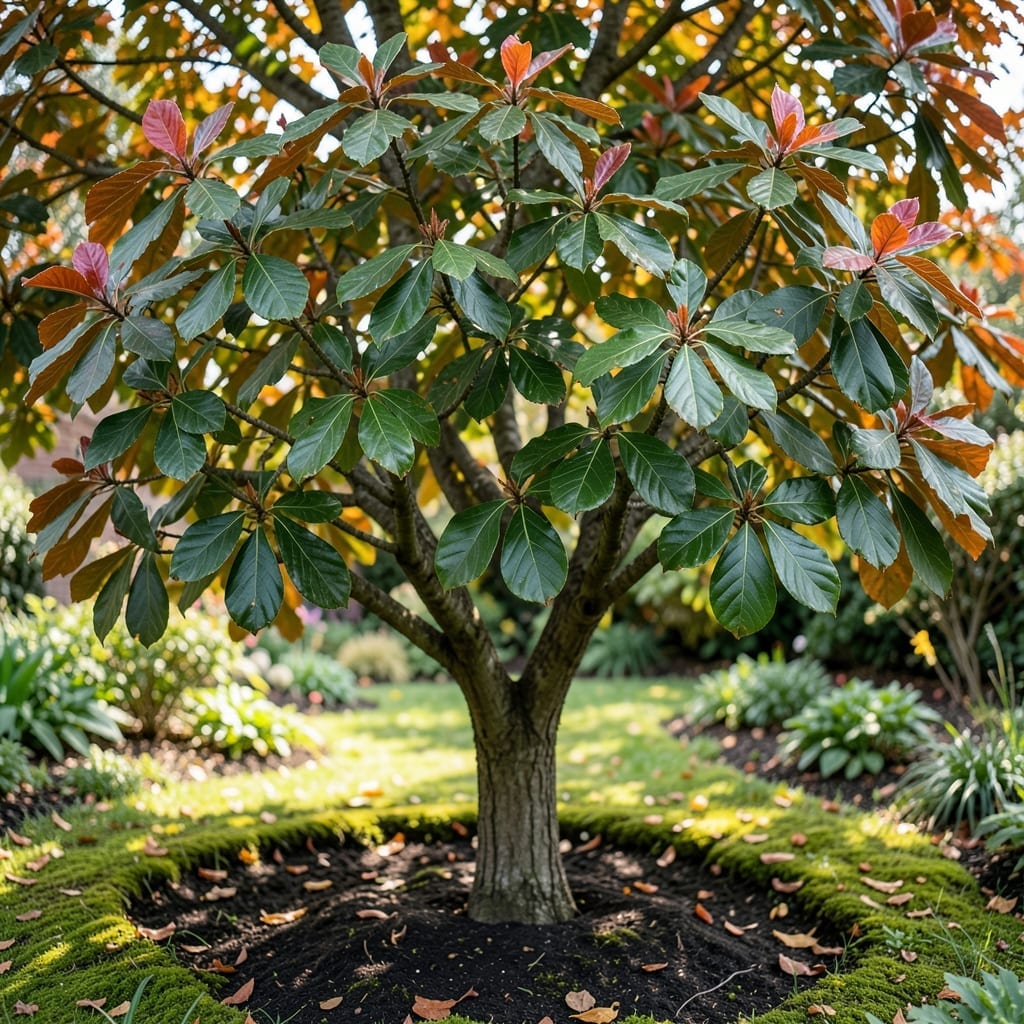
I learned the hard way that not all rhus leaves belong to the same tree. Some look identical to harmless varieties but pack a serious skin irritant punch.
Here’s how to spot the safe staghorn sumac from its dangerous cousins—without touching a single leaf. The difference hides in leaflet count, stem color, and cluster shape.
📚 In This Guide
Master these visual checks and you’ll confidently distinguish toxic from harmless foliage in the wild.
Begin by observing the compound leaf structure—rhus species typically feature pinnate or trifoliate arrangements. Each leaflet grows opposite its pair along a central stem, creating a feather-like appearance. Count the leaflets: poison ivy has three, while staghorn sumac displays 9-13 in a symmetrical row.
Note the edge texture—serrated or smooth. Poison oak leaves have rounded lobes, while poison sumac shows smooth, lance-shaped leaflets. The central stem (rachis) often appears slightly winged in some rhus species, a subtle but reliable identifier.
Observe the color progression through seasons. In spring, rhus leaves emerge with a reddish tint that deepens to glossy green by summer. Poison ivy maintains this red hue on new growth, while staghorn sumac turns vivid scarlet or orange in autumn.
Check the underside of leaves—many rhus species display a paler, sometimes hairy surface. Poison sumac leaves often appear slightly droopy compared to the rigid, upright leaflets of harmless sumacs. These color and texture cues remain consistent across specimens.
Examine the stem color and texture. Poison ivy stems often appear hairy or fuzzy, while smooth, glossy stems suggest non-toxic sumac varieties. Note the plant’s growth habit—poison sumac grows as a tall shrub or small tree with drooping leaf clusters, while staghorn sumac forms dense thickets with velvety branches.
Look for berry clusters—red or white berries hanging in loose bunches indicate poison sumac. Harmless sumacs produce deep red, cone-shaped clusters that persist through winter. These structural differences provide clear visual confirmation.
Familiarize yourself with boxelder and Virginia creeper, common rhus lookalikes. Boxelder has 3-5 leaflets arranged opposite each other, but its leaves are not glossy and lack the central stem wing. Virginia creeper typically displays 5 leaflets with coarse teeth on the edges.
Note that Virginia creeper’s berry stems are red, while poison ivy’s are white or cream-colored. These distinctions become obvious when comparing side-by-side. When in doubt, remember: leaves of three, let it be applies universally to poison ivy and poison oak.
Consider the time of year and habitat. Poison sumac thrives in swamps and wet areas, while staghorn sumac prefers dry, upland sites. In winter, examine the bare stems—poison sumac stems appear smooth and gray, while harmless sumacs often retain fuzzy textures.
Check for leaf scars on winter stems. Poison sumac leaves U-shaped scars, while staghorn sumac shows crescent-shaped marks. These subtle details provide year-round identification capability.
The details that separate confident identification from dangerous guesswork.
The Texture Factor: In Step 1, pay extra attention to the edge texture distinction—rhus leaves have smooth or slightly toothed margins, while harmless lookalikes like raspberry canes have sharply serrated edges. I learned this the hard way after confusing a young blackberry plant with poison ivy. Run your fingers along the margin without touching the surface to feel the difference.
Stem Inspection: For Step 2, the reddish stem at the attachment point is particularly telling in spring. Sumac’s smooth, glossy stems contrast sharply with poison ivy’s hairy appearance. Confession: I skipped this step for years and wondered why my identifications were inconsistent. Always check both the stem texture and color together.
Habitat Cross-Reference: As mentioned in Step 3, rhus species thrive in specific environments. Poison sumac’s preference for wet, swampy areas is a crucial differentiator from its harmless lookalikes. Real talk: I’ve found that noting the soil moisture and surrounding vegetation often provides the final confirmation needed when leaf structure alone isn’t conclusive.
Seasonal Confirmation: The color changes described in Step 4 are most reliable when combined with other traits. Sumac’s bright red berry clusters in late summer are unmistakable, but remember that poison ivy’s white berries can be easy to overlook. Between us, autumn identification is often the easiest due to the vibrant color displays.
Yes, many rhus species (like poison ivy, oak, or sumac) contain urushiol, an oil that causes allergic skin reactions in most people. Always wear gloves when handling unknown plants.
Rhus leaves often have clusters of 3 leaflets (“leaves of three, let it be”). Compare to harmless plants like boxelder or Virginia creeper, which have different leaf arrangements or textures.
Spring and summer are ideal, when leaves are fully green and distinct. Fall colors (red/orange) can still help, but some lookalikes may also change hue.
Wash the area immediately with soap and cool water. Avoid scratching, and apply calamine lotion or hydrocortisone cream to ease itching. Seek medical help for severe reactions.