
Beautiful Plants For Your Interior
Beautiful Plants For Your Interior
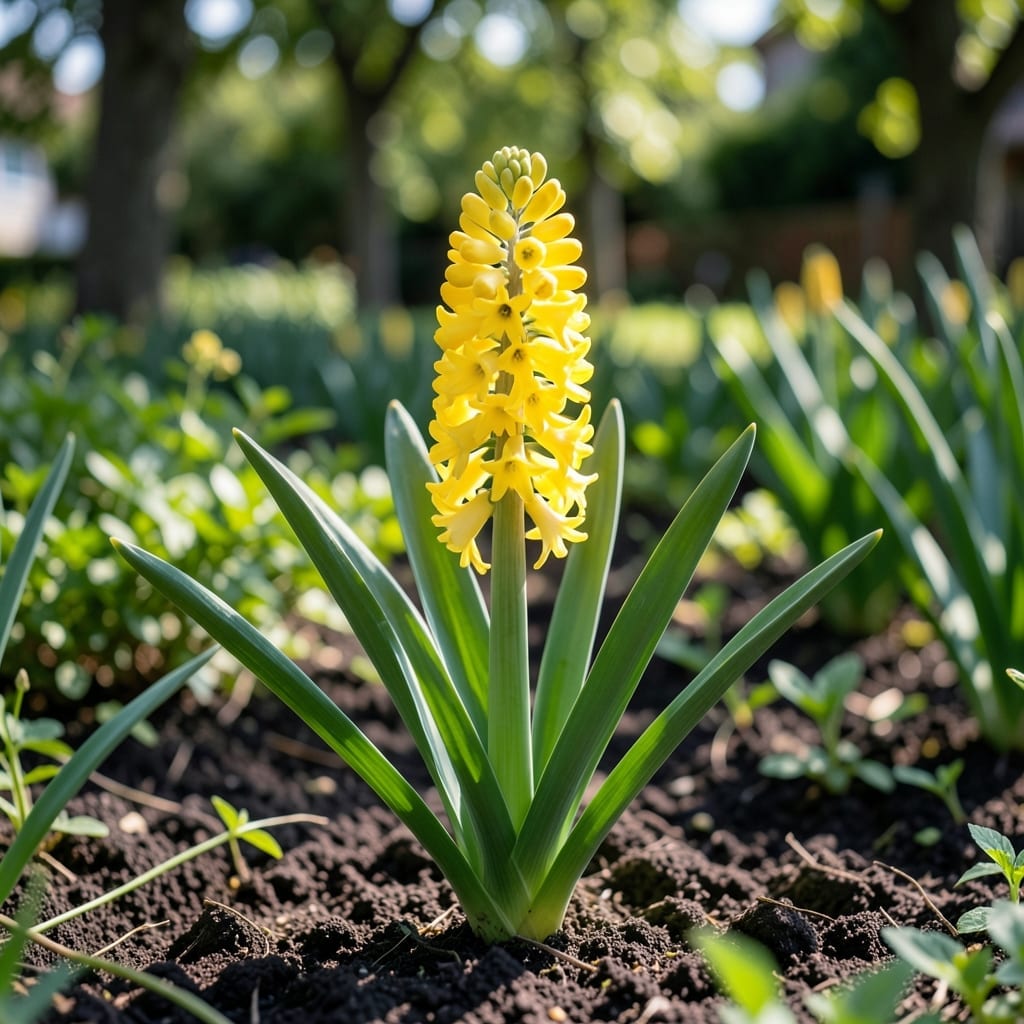
In Greek mythology, hyacinths were linked to Hyacinthus, a youth beloved by Apollo. When Hyacinthus died, Apollo created the flower from his blood, with petals marking the god’s grief. The yellow variety emerged later, symbolizing the sun god’s radiance and joy. This mythological tie gives yellow hyacinths a layered meaning of both sorrow and renewal.
🔥
Victorian flower language, or floriography, assigned yellow hyacinths the meaning of jealousy in some contexts. However, by the late 19th century, their symbolism shifted to represent constancy and deep emotional bonds. This duality reflects how cultural interpretations evolve over time, with yellow often outweighing negative associations due to its bright, uplifting hue.
The color yellow itself carries universal symbolism. In chromotherapy, it’s associated with mental clarity and optimism, which aligns with the hyacinth’s cheerful appearance. Studies show that yellow stimuli can boost serotonin levels, making these flowers a natural mood enhancer in gardens or bouquets. ✨
In Christian symbolism, hyacinths were sometimes used in religious art to represent resurrection and eternal life, with yellow varieties emphasizing divine light. This spiritual connection adds depth to their role in ceremonial arrangements, from weddings to memorials. Their resilience as early spring bloomers reinforces themes of hope and rebirth.
Modern floral designers often pair yellow hyacinths with white or purple blooms to create arrangements that tell a story. For example, combining them with daffodils amplifies themes of new beginnings, while pairing with lavender can suggest a balance of joy and calm. This intentional color pairing highlights their versatility in conveying complex emotions. 💫
They primarily symbolize joy, warmth, and new beginnings. Often associated with sunshine, they convey optimism and friendship in floral arrangements. Their bright hue naturally uplifts any setting.
In Victorian times, they sometimes represented jealousy, but later shifted to constancy. The positive yellow symbolism eventually outweighed older negative associations due to its cheerful appearance.
Their meaning makes them perfect for celebrations, new ventures, or expressions of friendship. They’re especially popular in spring weddings and housewarming gifts.
Combine with daffodils for new beginnings or lavender for joy-calm balance. White blooms enhance their brightness, while purple varieties create striking contrast in arrangements.