
Beautiful Plants For Your Interior
Beautiful Plants For Your Interior
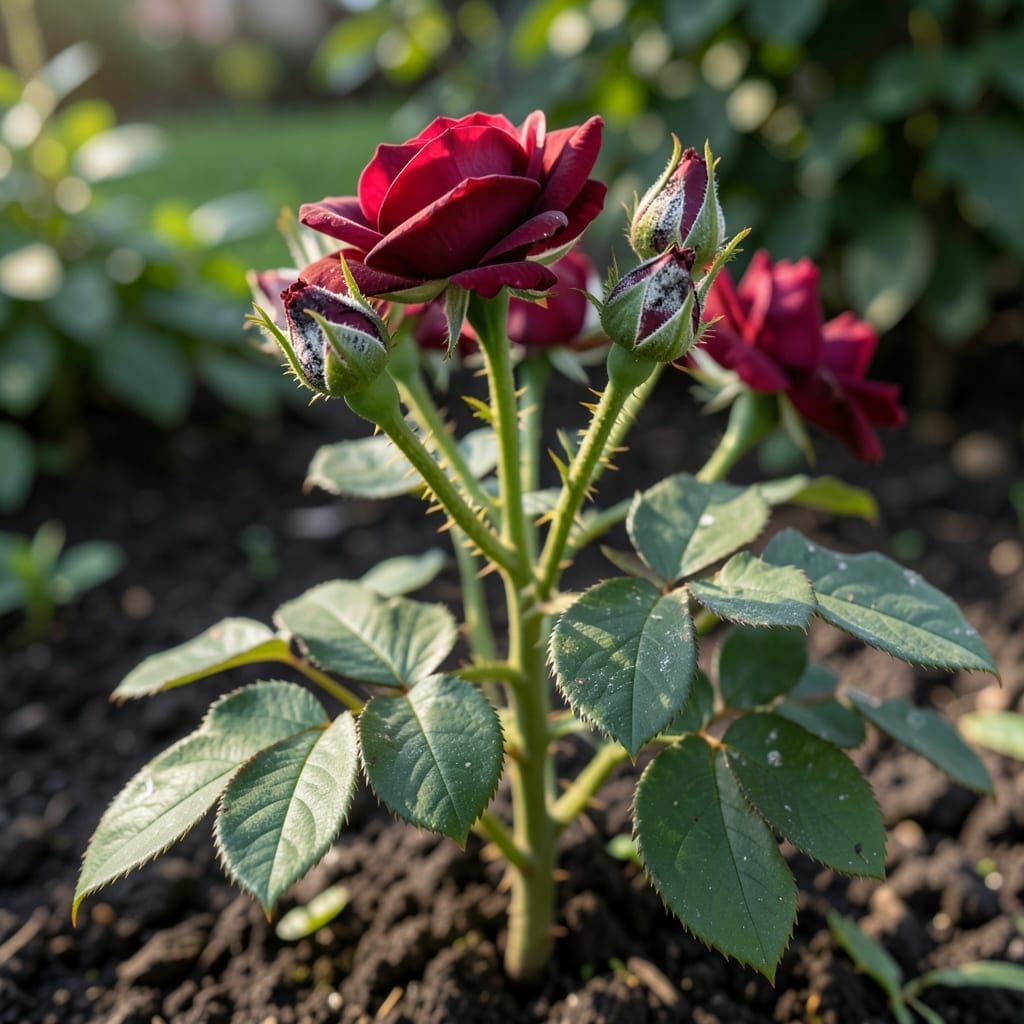
Nothing’s worse than watching rose buds blacken overnight. I’ve lost count of how many blooms I’ve sacrificed to strange spots and wilting petals before learning the patterns.
The usual culprits—powdery mildew, botrytis blight, or rust—leave distinct marks. Catching them early means the difference between a healthy bush and a season of disappointment.
Organic solutions work surprisingly well. A copper spray here, neem oil there, and better airflow does most of the heavy lifting without harsh chemicals.
Prevention beats cure every time. Clean pruners, morning watering, and resistant varieties keep problems from starting in the first place.
Understanding why rose bud diseases occur is the first step toward prevention. These issues often stem from a combination of environmental, biological, and cultural factors. Below are the primary causes, explained in clear, actionable terms.
Wet conditions create a breeding ground for fungal pathogens like Botrytis cinerea (gray mold) and Powdery Mildew. Overwatering, high humidity, or poor soil drainage can lead to waterlogged roots and stagnant air around the buds. Fungi thrive in these conditions, infecting tender bud tissues and stunting growth.
Many rose bud diseases are directly caused by harmful microorganisms. Black Spot (Diplocarpon rosae) and Rust (Phragmidium spp.) are common fungal culprits, while bacteria like Pseudomonas syringae can cause bud blight. These pathogens spread through spores or contaminated tools, entering the plant through wounds or natural openings.
Insects such as aphids, thrips, and spider mites weaken rose plants by feeding on sap and buds. Their damage creates entry points for secondary infections. Additionally, pests like the Rose Bud Midges lay eggs in the buds, causing deformities and rot as larvae develop inside.
Extreme temperatures, drought, or sudden weather changes stress roses, making them more susceptible to disease. Heat stress can lead to Sunscald, while cold snaps may cause Frost Damage, both of which compromise bud health and invite pathogens.
Improper pruning, lack of air circulation, or crowded plantings can exacerbate disease risks. Over-fertilization, especially with high-nitrogen formulas, promotes excessive foliage growth at the expense of bud health, creating a dense canopy that traps moisture and blocks sunlight.
Tackling rose bud problems starts with identifying the cause and applying the right fix. Here’s a practical guide to restoring your roses to full health.
Remove infected leaves and buds immediately to prevent spread. Spray affected areas with a mix of 1 tablespoon baking soda, 1 teaspoon dish soap, and 1 gallon of water. For prevention, space plants 3–4 feet apart to boost airflow and water at the base to keep foliage dry.
Blast aphids off with a strong stream of water, then introduce ladybugs or lacewings—natural predators that keep populations in check. Apply neem oil spray weekly until pests are gone. Prevent future outbreaks by planting companion herbs like garlic or chives nearby.
Prune infected canes and buds, and dispose of them in sealed bags (not compost). Replace the top 2 inches of soil around the plant to remove fungal spores. Apply copper fungicide every 7–10 days during wet seasons. Prevention tip: 💡 Avoid overhead watering and mulch with straw to reduce soil splashing onto leaves.
Spider mites thrive in dry conditions. Spray plants with water to dislodge mites, then apply insecticidal soap. Boost humidity by mist leaves regularly or placing a tray of water near the plant. Pro tip: ✨ Dust leaves occasionally to discourage mite settlement.
Yellowing or weak buds often signal a lack of nutrients. Use a balanced organic fertilizer (10-10-10) or compost tea every 4–6 weeks. For iron deficiency (yellow leaves with green veins), apply chelated iron to the soil. Prevention: 🌡️ Test soil pH annually—roses prefer slightly acidic soil (6.0–6.5).
Improve airflow by spacing plants 3-4 feet apart and water at the base. Remove infected buds immediately and apply organic fungicides like neem oil weekly.
Look for circular black spots with feathery edges on leaves. These quickly spread to stems and buds if untreated. Remove affected parts and dispose in sealed bags.
Yes! Ladybugs and lacewings control aphids naturally. Introduce them early in the season and avoid chemical pesticides that harm beneficial insects.
This is often caused by botrytis blight or thrips damage. Remove affected buds, reduce humidity, and apply copper fungicide during wet periods.