
Beautiful Plants For Your Interior
Beautiful Plants For Your Interior
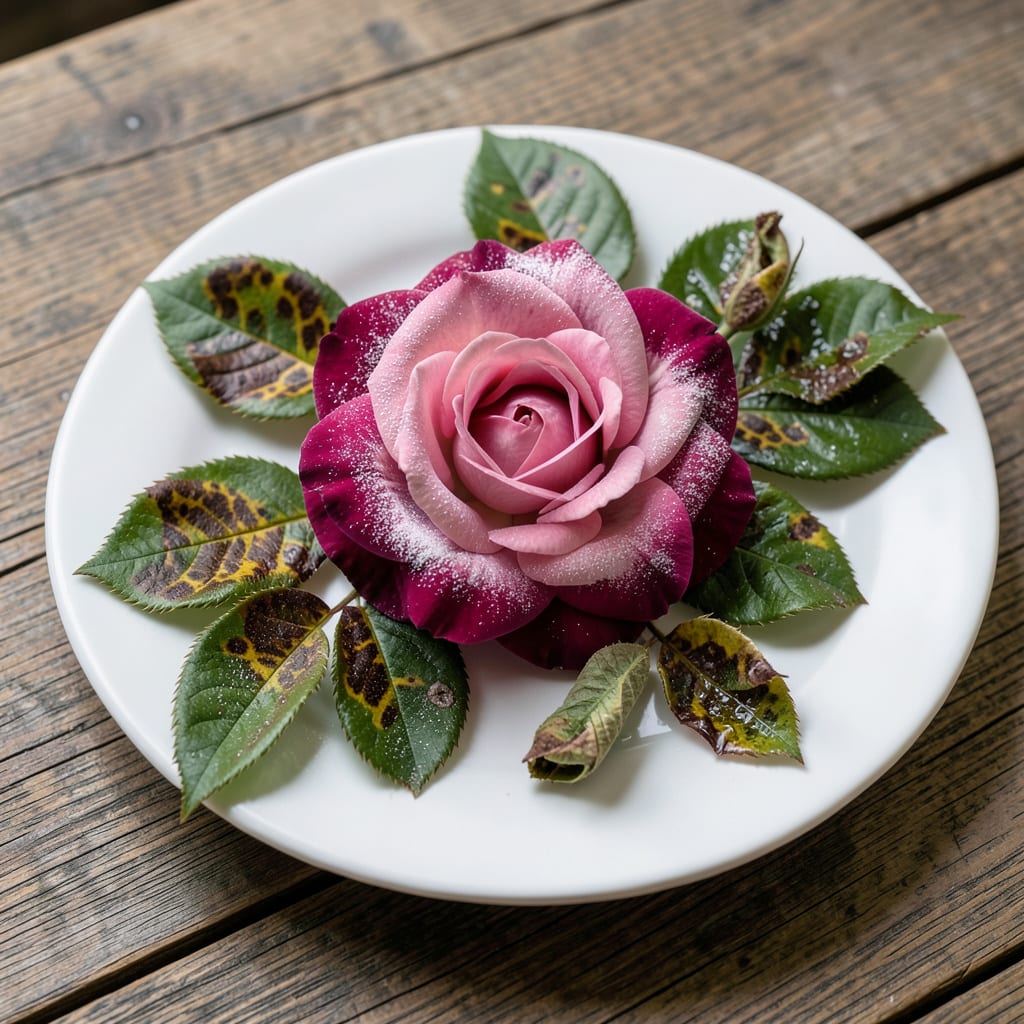
Your Rose of Sharon’s leaves shouldn’t look like Swiss cheese. I’ve seen healthy shrubs turn into sickly messes overnight—usually from 3 common diseases that spread fast if ignored.
Catching problems early saves the plant and your sanity. Yellow spots, wilting, or blackened edges mean trouble, but the fixes are simpler than you’d think with the right approach.
Organic treatments work, but timing is everything. A copper spray at the first sign of leaf spot stops it cold, while pruning infected branches prevents the spread.
Prevention beats cure every time. Proper spacing, good airflow, and clean tools keep these issues from ever taking hold.
Rose of Sharon (Hibiscus syriacus) is hardy, but stress, pathogens, and poor care can invite disease. Below are the primary causes, explained in clear, actionable terms.
Fungi like powdery mildew (Podosphaera spp.) and leaf spot (Cercospora or Alternaria) thrive in high humidity and poor air circulation. Overhead watering and crowded plantings create the perfect moist environment for spores to germinate and spread. Fungi enter through stomata or wounds, disrupting photosynthesis and weakening the plant.
Root rot, often caused by Phytophthora or Pythium fungi, occurs when soil stays waterlogged. Compacted or clay-heavy soil prevents drainage, suffocating roots and inviting anaerobic pathogens. Symptoms like wilting or yellowing leaves appear as roots decay.
Insects like aphids, whiteflies, and Japanese beetles physically damage leaves and stems, creating entry points for bacteria and viruses. Some pests, such as aphids, also transmit viral diseases like Hibiscus chlorotic ringspot virus as they feed.
Drought, extreme heat, or sudden temperature swings weaken the plant’s immune system. Stressed Rose of Sharon becomes more susceptible to opportunistic infections. For example, bacterial blight (Pseudomonas syringae) often strikes after frost damage or heat stress.
Falling leaves, pruning debris, or contaminated tools can harbor pathogens from one season to the next. Fungal spores and bacteria overwinter in plant debris, reinfecting new growth in spring. Failing to sterilize pruners between cuts can also spread disease between plants.
Keeping your Rose of Sharon healthy means acting fast at the first sign of trouble. Below are practical fixes for the most common problems, along with tips to prevent them from returning. 🌿
Fix: Mix 1 tablespoon of baking soda, 1 teaspoon of dish soap, and 1 gallon of water. Spray this solution on affected leaves every 7–10 days until the mildew clears. Prune heavily infected areas to improve air circulation.
Prevent: Water at the base of the plant (not the leaves) in the early morning so foliage dries quickly. Space plants 6–8 feet apart for better airflow. 💡
Fix: Blast pests off with a strong stream of water, or apply insecticidal soap or neem oil (follow label instructions). For severe infestations, introduce ladybugs or lacewings—natural predators that keep pests in check.
Prevent: Inspect leaves regularly, especially the undersides. Keep the garden free of weeds and debris where pests breed. ✨
Fix: Remove and destroy infected leaves (do not compost them). Apply a copper-based fungicide to protect healthy foliage, repeating after rain or as directed.
Prevent: Avoid overhead watering and thin out dense branches to reduce humidity. Clean up fallen leaves and debris around the plant weekly. 🎯
Fix: If the roots are mushy and black, trim away the damaged parts and repot in fresh, well-draining soil. For in-ground plants, improve drainage by amending the soil with compost or sand.
Prevent: Ensure the planting site has good drainage, and avoid overwatering. Use a moisture meter to check soil dampness before watering. 🌡️
Look for yellow spots, white powdery residue, or blackened leaf edges. Wilting or premature leaf drop often signals root issues or stress.
Yes, if you act quickly. Prune infected branches, remove fallen debris, and treat with organic fungicides. Severe cases may need professional help.
Check leaves and stems weekly during growing season. Early morning is best to spot dew-related issues like mildew.
Many fungal and bacterial issues can spread. Isolate affected plants and sterilize tools between uses to prevent contamination.
