
Beautiful Plants For Your Interior
Beautiful Plants For Your Interior
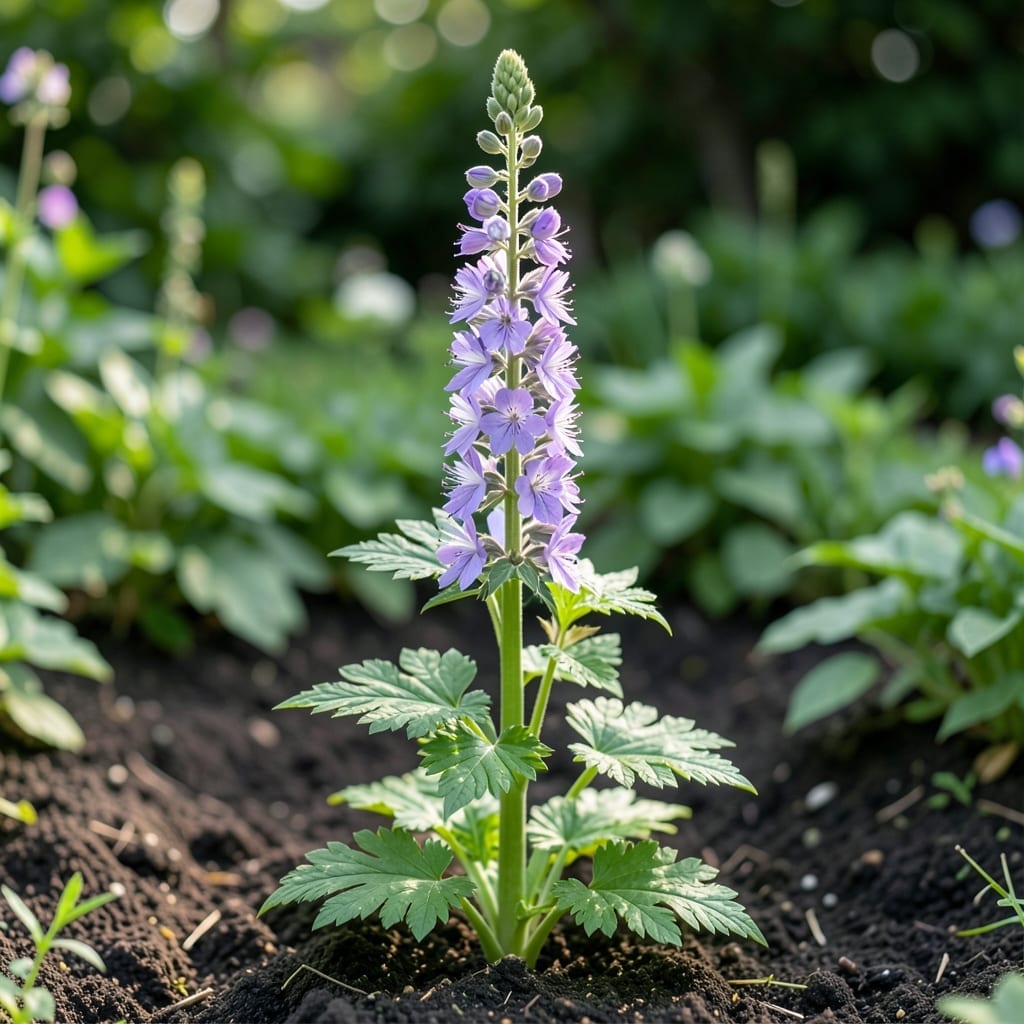
Rocket larkspur leaves reveal everything about your plant’s health. I’ve learned that deep green, finely divided foliage means your plants are thriving, while yellowing or spotted leaves signal trouble before it spreads.
With consistent watering and well-draining soil, these delicate leaves stay lush all season. The key is catching issues early—one quick inspection each week prevents most problems from taking hold.
📚 In This Guide
Here’s the method I trust for cultivating healthy rocket larkspur with vibrant, safe foliage.
Choose a location with full sun to partial shade, as rocket larkspur thrives in 6-8 hours of sunlight daily. The soil must drain well—soggy roots invite rot and stunt leaf development. I test drainage by digging a 1-foot hole, filling it with water, and checking if it empties within 1 hour.
Amend heavy clay or compacted soil with compost to improve structure. Avoid low-lying spots where water pools after rain. Rocket larkspur leaves stay lush and disease-free when roots aren’t waterlogged.
Plant seeds ¼ inch deep in rows spaced 12-18 inches apart. Cover lightly with soil and mist to avoid dislodging them. Germination occurs in 10-14 days at 65-75°F, so start indoors 6-8 weeks before the last frost or direct-sow after danger passes.
Thin seedlings to 8-10 inches apart once they develop 2-3 true leaves. Crowding leads to weak stems and pale, undersized foliage. I use scissors to snip unwanted seedlings at soil level to avoid disturbing roots.
Keep soil evenly moist but not saturated during germination and early growth. Once established, rocket larkspur tolerates moderate drought, but leaves may yellow or crisp if soil dries completely. Water at the base in the morning to prevent fungal spots on foliage.
Check soil moisture by sticking your finger 1 inch deep—if it feels dry, it’s time to water. A 1-2 inch layer of mulch helps retain moisture and keeps leaves clean. Avoid overhead watering to prevent mildew.
Rocket larkspur grows 3-5 feet tall, and its hollow stems can snap in wind or rain, damaging leaves. Install stakes or a trellis when plants reach 12 inches high. I use bamboo stakes and soft twine to tie stems loosely, allowing room for growth.
Space supports every 2 feet in rows. Secure stems at 6-inch intervals as they elongate. This keeps foliage upright and prevents leaves from touching damp soil, which can lead to rot or disease.
Inspect leaves weekly for signs of aphids, slugs, or powdery mildew. Aphids cluster on new growth, while slugs leave irregular holes in foliage. I spray aphids off with water early in the day so leaves dry quickly. For slugs, handpick at dusk or use organic baits.
Powdery mildew appears as white spots on upper leaf surfaces in humid conditions. Improve air circulation by spacing plants properly and watering early. Remove affected leaves immediately to prevent spread. Healthy rocket larkspur leaves stay deep green and unblemished with vigilant care.
These practical insights will help you avoid common pitfalls when growing vibrant, healthy foliage.
Site Selection: The 6-8 hours of sunlight daily requirement is non-negotiable for lush leaves. I learned this the hard way after trying a shady spot—resulted in leggy, pale growth. Test your drainage by digging that 1-foot hole and timing the water absorption; if it doesn’t empty within 1 hour, amend with compost or choose another location entirely.
Planting Precision: That ¼ inch depth for seeds isn’t arbitrary. Plant too deep and germination suffers; too shallow and seeds dry out. When thinning to 8-10 inches apart, use scissors as I do—pulling seedlings can disturb the roots of the ones you want to keep. The 10-14 day germination at 65-75°F is most reliable when soil temps stay consistent.
Watering Wisdom: The 1 inch deep finger test for moisture is your best guide. Rocket larkspur leaves show stress quickly—yellowing means too much water, crisping means not enough. That 1-2 inch mulch layer isn’t just for moisture retention; it also prevents soil from splashing onto leaves during rain, keeping them cleaner and healthier.
Support System: Don’t wait until stems are 3-5 feet tall to install supports. By then, it’s often too late. I start staking when plants hit 12 inches, using that 6-inch interval spacing for ties. Hollow stems are particularly vulnerable to wind damage, and once they snap, the foliage above that break point is usually lost.
Yellowing leaves often signal overwatering or poor drainage. Check soil moisture and ensure pots have drainage holes. Nutrient deficiencies or fungal diseases can also cause this—adjust care or treat with fungicide if needed.
Prune in early spring or after flowering to encourage bushier growth. Remove dead or damaged leaves anytime. Avoid heavy pruning during extreme heat or frost, as it can stress the plant.
No, rocket larkspur (Delphinium ajacis) is toxic if ingested. Avoid using its leaves for teas or poultices. Opt for safe alternatives like calendula or chamomile for herbal remedies.
Remove infected leaves and improve air circulation. Spray with a mix of water and baking soda (1 tsp per quart) or use a fungicide. Water at the base to keep foliage dry and prevent recurrence.