
Beautiful Plants For Your Interior
Beautiful Plants For Your Interior
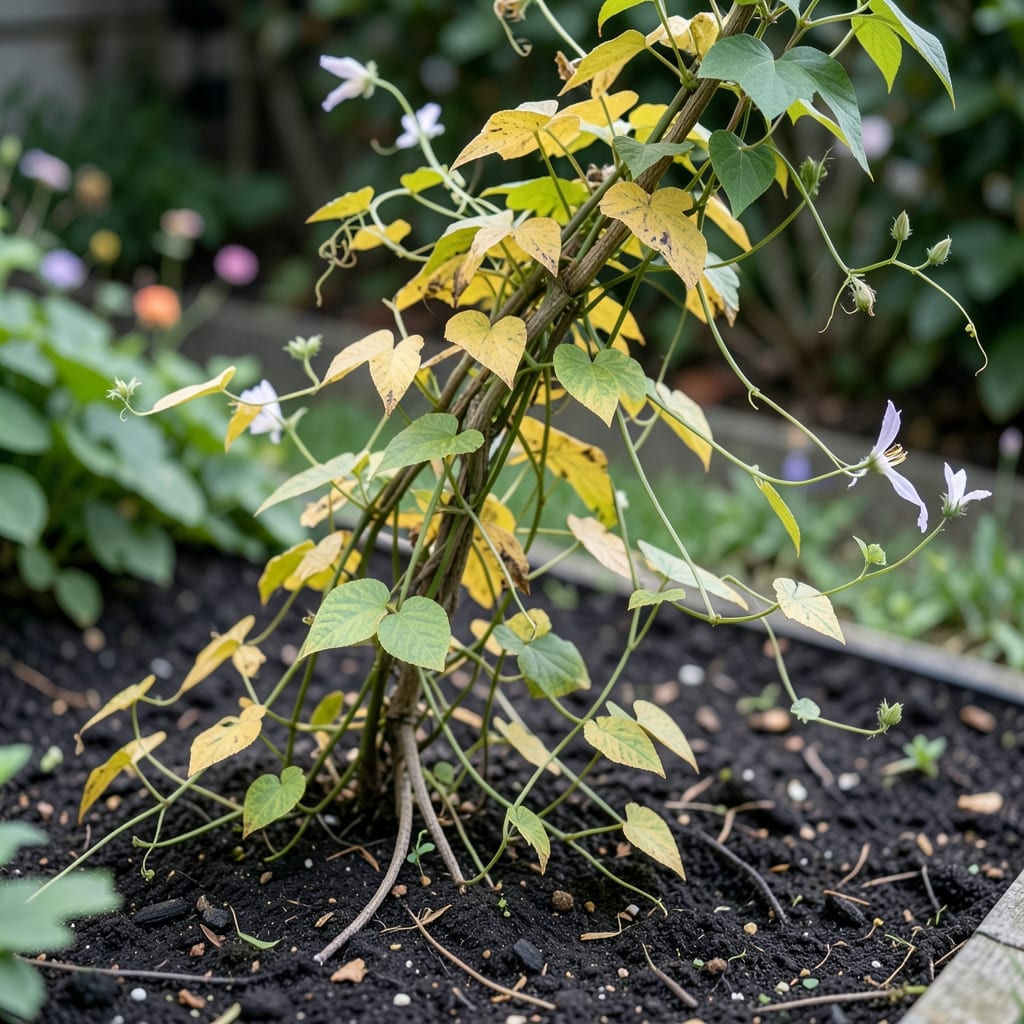
Nothing ruins a clematis display like yellow leaves creeping in. I’ve battled this issue for seasons and discovered it’s usually a simple fix once you know what to look for.
Most cases come down to four culprits: hungry roots, soggy soil, sneaky pests, or a fungal ambush. The good news? Each leaves a distinct calling card—spotted patterns, uniform fade, or leaf edges turning first.
With the right tweaks, your vines can bounce back faster than you’d expect. I’ve seen new green growth within 2 weeks of adjusting water or adding a targeted nutrient boost.
Best part? Preventing future flare-ups takes just a few habit changes. Your clematis will thank you with vibrant blooms next season.
Yellowing leaves on your clematis can be alarming, but understanding the root causes helps you act fast. Here are the most common culprits behind this issue:
Clematis plants are heavy feeders, and a lack of essential nutrients often leads to chlorosis (yellowing). Nitrogen deficiency typically causes uniform yellowing of older leaves, while iron or magnesium deficiency results in yellowing between the veins (interveinal chlorosis). Soil pH above 7.0 can lock out iron, making it unavailable to the plant. Test your soil and amend with chelated iron or Epsom salts (magnesium sulfate) as needed.
Too much water or poorly draining soil suffocates the roots, preventing them from absorbing nutrients. This leads to root rot and subsequent yellowing, often accompanied by wilting. Clematis thrive in moist but well-drained soil. If your plant sits in soggy ground, improve drainage by amending the soil with compost or relocating it to a raised bed.
Extreme heat, cold drafts, or sudden temperature swings can stress clematis, causing leaves to yellow and drop. Clematis prefer cool roots and warm tops—mulch the base to insulate roots and provide afternoon shade in scorching climates. Frost damage may also trigger yellowing; protect vines with burlap in late fall if you’re in a colder zone.
Pests like spider mites or aphids sap the plant’s vigor, leading to stippled or yellowed foliage. Fungal diseases, such as powdery mildew or leaf spot, can also cause discoloration. Inspect leaves for webbing, spots, or white powdery residue. Treat infestations with insecticidal soap and improve air circulation to prevent fungal issues.
If your clematis leaves are turning yellow, don’t panic—most causes are fixable with a few simple adjustments. Below are targeted solutions for common issues, plus prevention tips to keep your plant thriving.
If the yellowing is due to nitrogen, iron, or magnesium deficiency, amend the soil with a balanced, slow-release fertilizer (10-10-10) or a specialized clematis feed. For iron, use chelated iron supplements or work compost into the soil. Prevention tip: Test your soil annually and fertilize in early spring before new growth starts.
Root rot from soggy soil is a common culprit. Let the top 1-2 inches of soil dry out between waterings, and ensure pots have drainage holes. If the roots are already waterlogged, trim affected roots and repot in fresh, well-draining soil. Prevention tip: Water deeply but less frequently—clematis prefer moist, not wet, conditions.
If leaves scorch or yellow in hot afternoon sun, move potted clematis to a spot with dappled light or erect a light shade cloth. For in-ground plants, mulch heavily to retain moisture and cool the roots. Prevention tip: Plant clematis where their roots stay cool (e.g., under a low-growing shrub) while the vines climb into sunlight.
Check the undersides of leaves for aphids, spider mites, or fungal spots. Blast pests off with water or use insecticidal soap. For fungal issues like powdery mildew, improve air circulation and apply a fungicide. Prevention tip: Space plants properly and avoid overhead watering to reduce humidity around leaves.
Extreme heat or cold can shock clematis. In summer, keep soil mulched and watered; in winter, insulate roots with extra mulch or a frost blanket. Prevention tip: Choose clematis varieties suited to your hardiness zone for long-term resilience.
Pro tip: 💡 Regularly inspect leaves for early signs of trouble—catching issues early makes fixes easier!
Water deeply 1-2 times per week, allowing the top 1-2 inches of soil to dry between sessions. Overwatering causes root rot, which leads to yellowing leaves. Adjust frequency based on rainfall and soil drainage.
Use a balanced 10-10-10 slow-release fertilizer or a clematis-specific feed. For iron deficiency, apply chelated iron. Always test soil first to target the exact nutrient missing.
Yes, scorching afternoon sun can stress clematis, leading to yellow or brown leaves. Provide dappled shade or use a light shade cloth. Mulch the base to keep roots cool.
Inspect leaves regularly for aphids or spider mites. Blast pests off with water or use insecticidal soap. Improve air circulation to discourage fungal growth.