
Beautiful Plants For Your Interior
Beautiful Plants For Your Interior
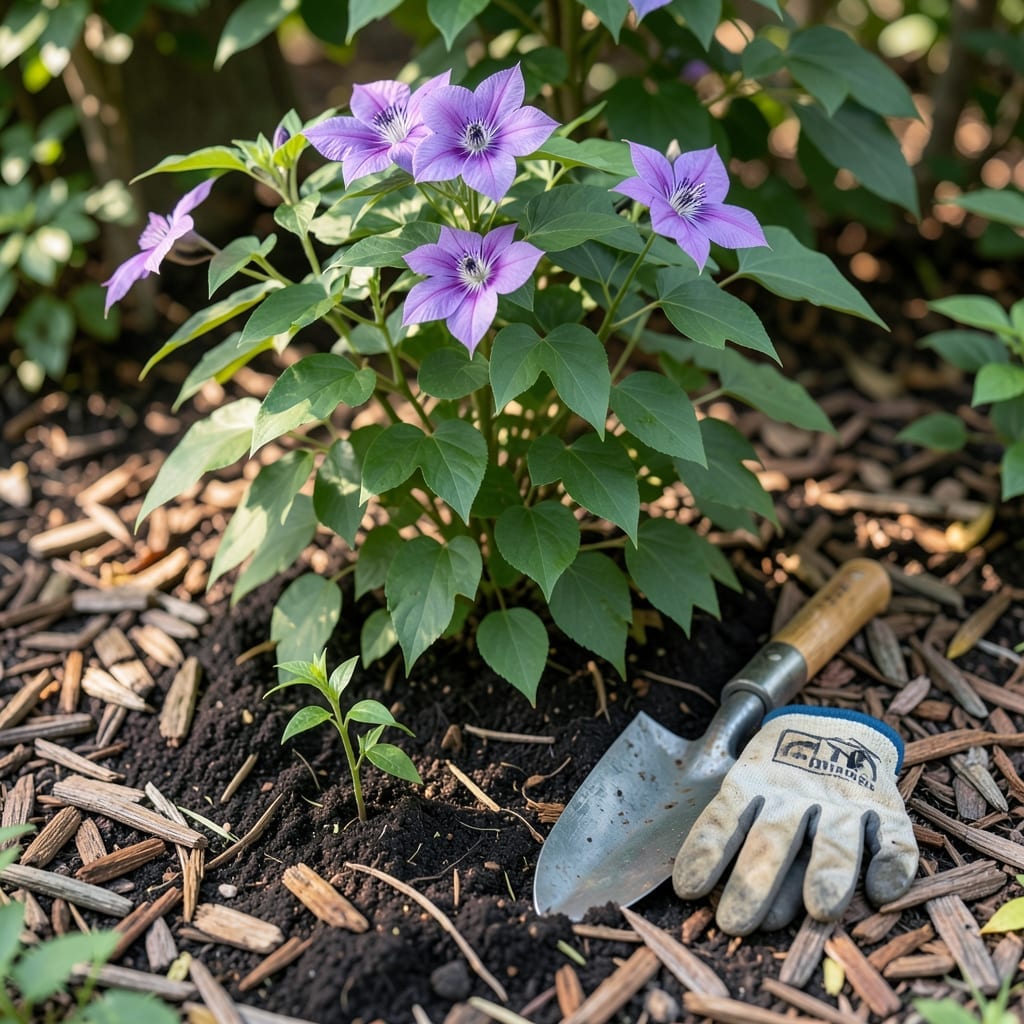
Timing is everything when planting Clematis in Zone 8—get it right, and you’ll enjoy vibrant blooms for years.
This region’s mild winters and hot summers create a unique window for establishing these climbing vines. Choose the wrong time, and you risk stunting growth or losing the plant entirely.
I’ll walk you through the best planting windows and why they maximize root development before extreme weather hits. Whether you’re a seasoned gardener or just starting out, these insights will set you up for success.
Discover how to give your 🌿Clematis the strongest start possible in Zone 8’s climate.
In Zone 8, the best times to plant clematis are early spring or late fall. These windows allow the roots to establish before summer heat or winter cold stress the plant. I always aim for March to April or September to November. 🌿
Soil temperature is critical—it should be above 50°F for root growth. In Zone 8, this happens naturally in both spring and fall. Planting during these periods ensures your clematis gets a strong start before extreme weather hits. 🌱
| Planting Window | Soil Temp | Benefit |
|---|---|---|
| March-April | 50-60°F | Avoids summer heat stress |
| September-November | 55-65°F | Roots establish before winter |
I’ve found that fall planting often gives clematis a head start. The cooler temperatures reduce transplant shock, and winter moisture helps roots settle in. Just be sure to plant at least 6 weeks before your first frost, which in Zone 8 is typically around November 15. ✂️
For spring planting, wait until after the last frost, usually April 15 in Zone 8. This timing avoids late cold snaps that could damage new growth. The warmer soil in late spring encourages faster root development.
No matter the season, soil preparation is key. I always amend the planting hole with compost and ensure good drainage. Clematis hates soggy roots, so avoid heavy clay soils unless you improve them first.
Another tip: plant the crown about 2 inches below soil level. This protects the base from heat stress and encourages stronger root growth. It’s a small step that makes a big difference in Zone 8’s climate.
Watering deeply after planting helps settle the soil and removes air pockets. I water my clematis twice a week for the first month, then taper off as the roots establish. Mulching around the base retains moisture and keeps roots cool.
If you’re unsure about timing, watch the weather forecast. Avoid planting during heatwaves or cold snaps. In Zone 8, these extremes can stress young plants before they’ve had a chance to acclimate.
Finally, give your clematis a support structure at planting time. Whether it’s a trellis, arbor, or fence, having something to climb early on prevents tangled growth and encourages upward movement.
In Zone 8, you’ve got options when it comes to clematis varieties. The key is matching the planting schedule to the bloom cycle of each type for the best results.
I recommend focusing on Group 1, Group 2, and Group 3 clematis, as they thrive in this mild climate. Each has unique needs for timing and care.
| Variety | Bloom Time | Best Planting Window |
|---|---|---|
| Group 1 | Early spring | September-October |
| Group 2 | Late spring, summer | March-April or September |
| Group 3 | Mid to late summer | March-May |
Group 1 clematis bloom on old wood, so I plant them in early fall to establish roots before winter. This gives them a head start for spring blooms.
Group 2 varieties do well with spring or fall planting. If you plant in March-April, they’ll settle in before summer heat. September planting also works but needs extra mulch.
Group 3 clematis are the most heat-tolerant, so I plant them in late spring after the last frost. This avoids cold snaps that can stress young vines.
For all types,