
Beautiful Plants For Your Interior
Beautiful Plants For Your Interior
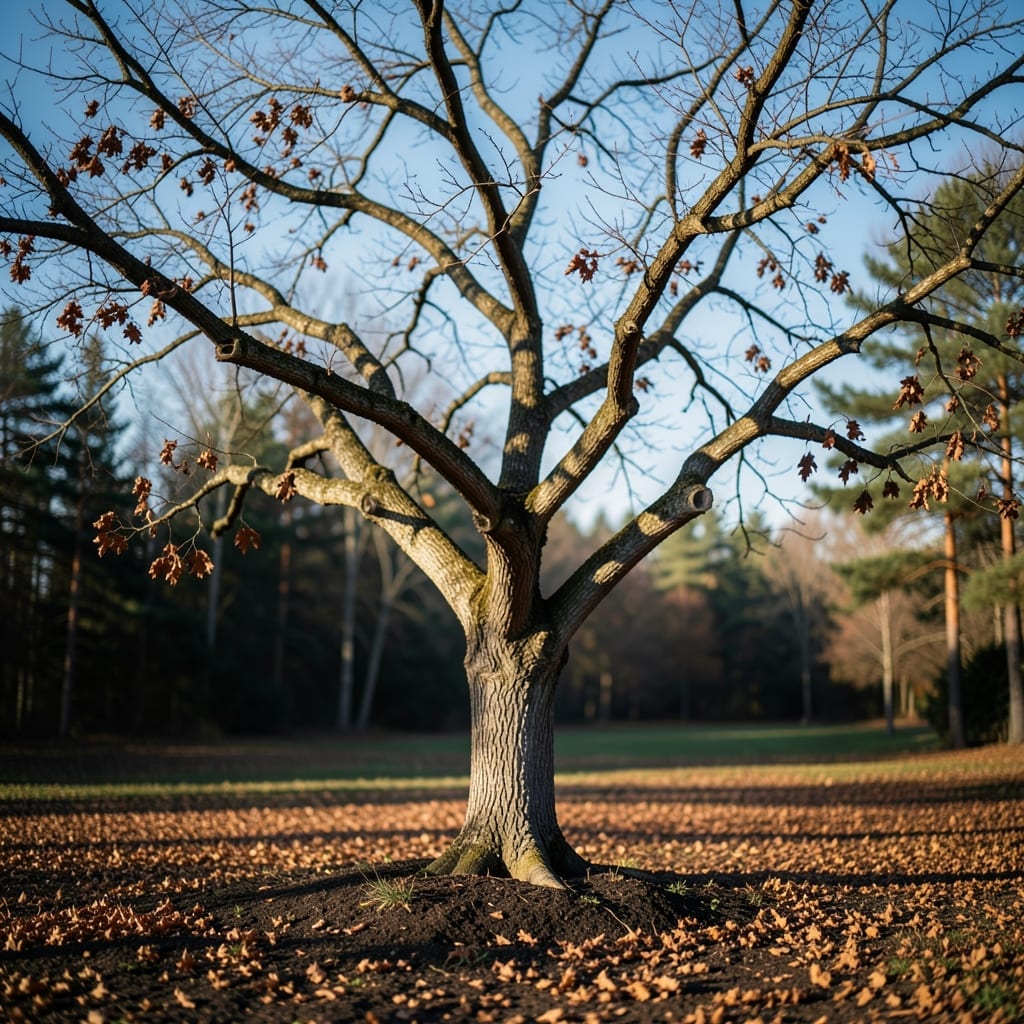
That sickening sight of crisp, brown leaves clinging to branches in summer hits different. I’ve stood under too many trees that looked fine yesterday but today scream distress, and the solutions are simpler than most gardeners realize.
Dead leaves usually signal one of three issues: drought stress, disease, or pest damage. Each leaves its own fingerprint—yellowing edges, black spots, or chewed margins—and identifying the pattern is half the battle.
Organic treatments work fast when you match the problem to the right approach. Proper watering schedules, targeted sprays, and soil amendments can turn things around in 2-3 weeks if caught early.
Prevention starts with consistent care and vigilant scouting. A little attention now saves you from losing a tree you’ve nurtured for years.
Understanding why leaves die on trees starts with recognizing the underlying causes. Here are the most common reasons, explained scientifically and practically:
Extreme temperatures, drought, or excessive rainfall can disrupt a tree’s ability to photosynthesize and transport nutrients. Heat stress causes protein denaturation in leaf cells, while waterlogged roots suffocate, cutting off oxygen and nutrient uptake. Drought, on the other hand, leads to xylem cavitation, where air bubbles block water flow, starving leaves of moisture.
Pathogens like Phytophthora (root rot) or Anthracnose (leaf blight) invade tissues, breaking down cell walls. Fungi thrive in wet conditions, producing toxins that disrupt chlorophyll production, leading to necrosis (tissue death). Bacterial infections, such as fire blight, clog the tree’s vascular system, causing leaves to wilt and blacken.
Insects like aphids, borers, or scale bugs pierce leaf tissues, sucking out sap and introducing toxins. This weakens the tree’s defenses and disrupts nutrient flow. Severe infestations can lead to defoliation, as the tree sacrifices leaves to conserve energy for survival.
A lack of essential minerals—such as nitrogen (yellowing leaves), magnesium (interveinal chlorosis), or potassium (leaf edge scorching)—impairs vital functions. Without these nutrients, chlorophyll degrades, and metabolic processes fail, resulting in premature leaf death.
Mechanical injuries from storms, improper pruning, or construction can sever vascular tissues. This interrupts the flow of water and nutrients, causing affected leaves to die off. Even small wounds can invite secondary infections, accelerating decline.
When your tree’s leaves start looking lifeless, quick and targeted action can revive its health. Here’s how to address the most common causes of discolored or wilting foliage with organic solutions:
Yellowing leaves often signal a lack of nitrogen, iron, or magnesium. Fix: Enrich the soil with compost or a balanced organic fertilizer (10-10-10). For iron, work in chelated iron or sprinkle used coffee grounds around the base. Prevention: Test soil annually and amend as needed. Pro tip 💡: Mulch with leaf mold to slowly release nutrients.
Wilting or crispy brown leaves? Check moisture levels. Fix: For soggy soil, improve drainage with perlite or sand. For dry soil, water deeply 1–2 times weekly (early morning is best). Prevention: Use a moisture meter or the finger test—stick your finger 2 inches into the soil. Water only if dry. Pro tip 🌡️: Drip irrigation prevents overwatering and targets roots.
Holes, spots, or sticky residue? Pests like aphids or mites may be to blame. Fix: Spray leaves with neem oil or insecticidal soap (1 tbsp soap per quart of water). For severe cases, introduce beneficial insects like ladybugs. Prevention: Inspect leaves weekly and remove debris where pests hide. Pro tip ✨: Companion planting (e.g., marigolds) deterrs pests naturally.
Dark spots, powdery mildew, or leaf drop? Fungus thrives in damp conditions. Fix: Prune infected leaves (sterilize tools with rubbing alcohol!) and apply copper fungicide or baking soda spray (1 tsp baking soda + 1 quart water + a drop of soap). Prevention: Space trees for airflow and avoid overhead watering. Pro tip 🎯: Rake fallen leaves in autumn to prevent spores from overwintering.
Look for dark spots, powdery mildew, or unusual leaf discoloration. Fungal issues often appear as irregular brown or black patches, sometimes with a ring pattern.
Water deeply 1-2 times per week in early morning. Use the finger test: water only if the top 2 inches of soil feel dry. Avoid overhead watering to prevent fungal growth.
Yes! Mix 1 tablespoon of mild dish soap with 1 quart of water for a simple insecticidal spray. Neem oil is another effective, natural option.
Prune infected or dead leaves immediately with sterilized tools. Best done on dry days to prevent spreading disease. Always remove debris from around the base.