
Beautiful Plants For Your Interior
Beautiful Plants For Your Interior
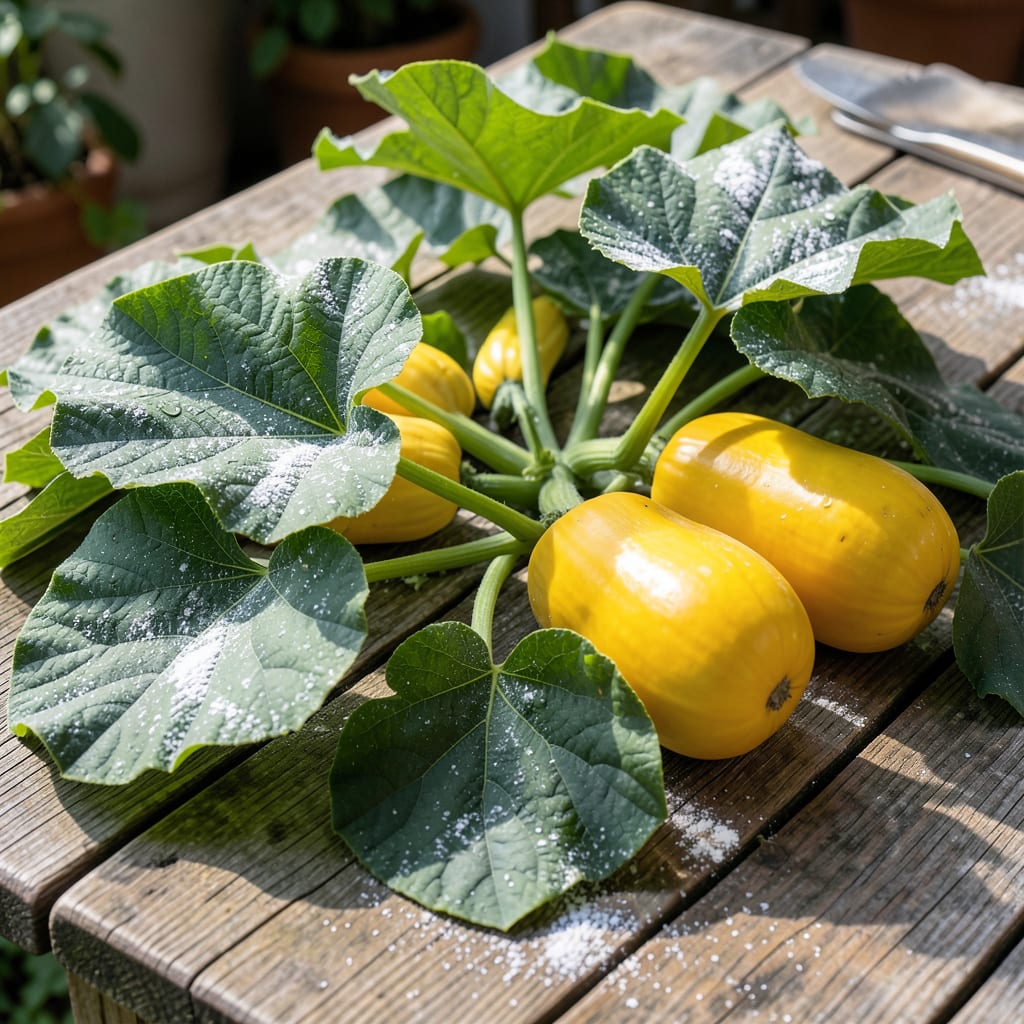
Powdery mildew on squash leaves can spread fast and ruin a crop. I’ve used a simple baking soda spray to stop it in its tracks without harsh chemicals.
The solution works by changing the pH on leaf surfaces, making it harder for the fungus to take hold. A weekly spray prevents outbreaks, and it’s safe for plants, pollinators, and the soil.
You’ll need just 3 common household items and 10 minutes to mix and apply. The results are visible within days—leaves stay green and productive.
Best applied in the morning, this method fits easily into any gardener’s routine. Here’s how to do it right.
Powdery mildew on squash is a common fungal disease that thrives under specific environmental and cultural conditions. Understanding the root causes can help you prevent and manage it effectively. Here’s why it happens:
Powdery mildew spores germinate and spread rapidly in environments with high humidity (60-90%) and stagnant air. Squash plants grown in crowded spaces or dense foliage trap moisture, creating the perfect breeding ground for the fungus Podosphaera xanthii or Erysiphe cichoracearum. Proper spacing and pruning can improve airflow and reduce risk.
This fungus thrives in warm daytime temperatures (70-80°F) coupled with cool nights (50-60°F), a common climate pattern in many growing regions. These temperature swings stress the plant and encourage spore production. Overhead watering in the evening can exacerbate the issue by prolonging leaf wetness.
Watering squash plants from above—especially late in the day—leaves foliage damp for extended periods. Powdery mildew spores do not require free water to germinate, but prolonged moisture on leaves accelerates their growth. Drip irrigation or soaker hoses at the plant base are safer alternatives.
Some squash varieties, like zucchini and summer squash, are genetically more susceptible to powdery mildew. Additionally, stressed plants—due to poor soil fertility, drought, or pest damage—are less able to resist fungal infections. Strengthening plant health with balanced nutrition can improve resilience.
The fungus overwinters in plant debris, soil, or weeds and can reinfect new crops the following season. Spores are also windborne, traveling from nearby infected plants. Removing and destroying affected plant material (not composting) helps break the disease cycle.
Powdery mildew on squash can be tackled effectively with simple, natural solutions. Here’s how to address the issue and prevent it from returning:
Mix 1 tablespoon of baking soda, 1 teaspoon of liquid soap (mild, non-detergent), and 1 gallon of water. Spray this solution thoroughly on both sides of the leaves, focusing on affected areas. Reapply every 7–10 days or after rain. The alkaline nature of baking soda disrupts the fungal growth without harming your plants.
If the mildew has spread widely, remove heavily infected leaves first to reduce the fungal load. Dispose of them in the trash (not compost) to avoid reinfection. Follow up with the baking soda spray as above, and consider adding 1 tablespoon of neem oil to the mix for an extra boost. Neem oil acts as a fungicide and prevents spores from germinating.
Apply the baking soda mixture every 7–10 days or after rain. For prevention, use it every 2 weeks during humid weather. Consistency is key for best results.
Use only mild liquid soap without detergents or additives. Harsh soaps can damage leaves. Castile or insecticidal soap works well.
No, the solution is safe when mixed correctly. Avoid using too much baking soda, as high concentrations can burn foliage. Always test on a small area first.
Rain can wash away the spray, reducing its effectiveness. Reapply as soon as the weather clears to maintain protection.
