
Beautiful Plants For Your Interior
Beautiful Plants For Your Interior
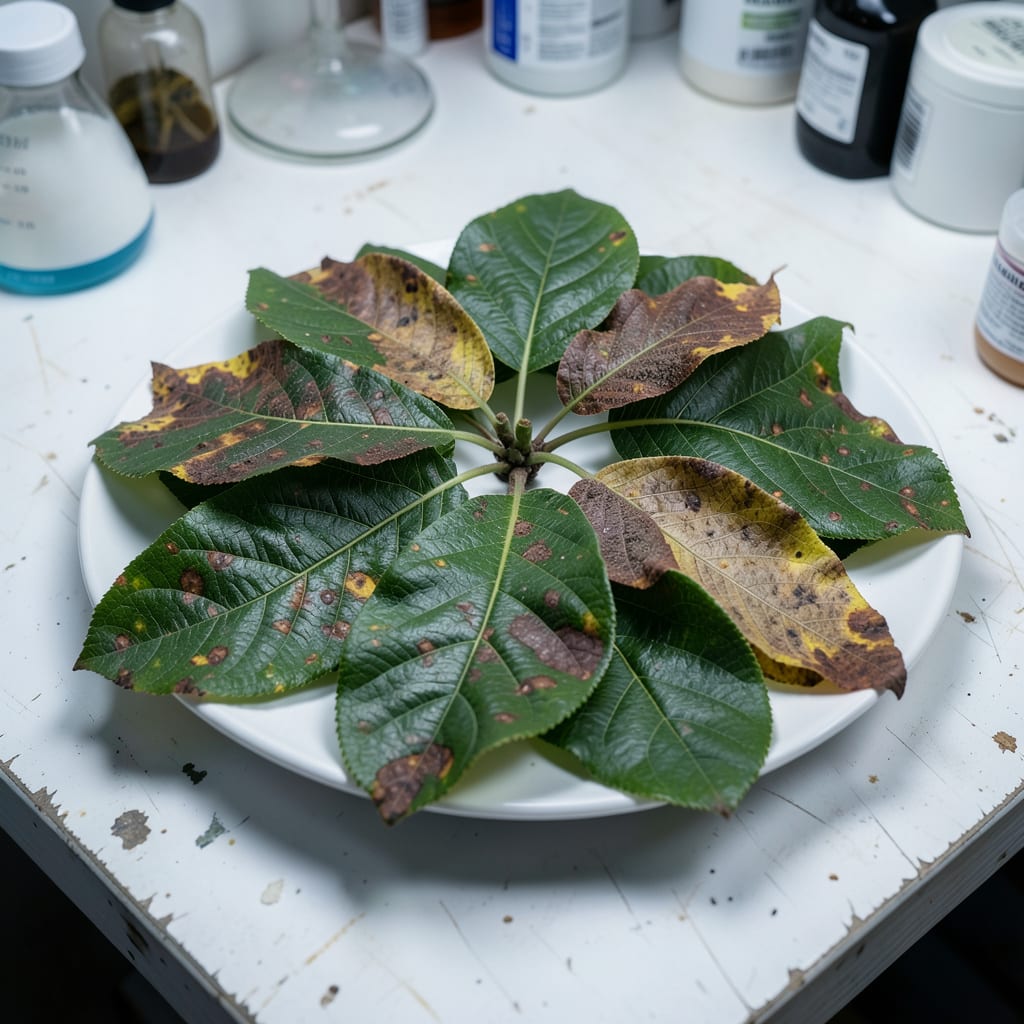
My quince looked healthy until brown spots spread across the leaves. Turns out, leaf blight thrives in wet conditions and can wipe out foliage fast if left unchecked.
I learned the hard way that damp springs are this fungus’s favorite time to strike. The spores love lingering moisture on leaves, and poor air circulation just makes it worse.
Catching it early is key—yellowing leaves with dark edges are your first warning. Once you spot these signs, act fast before it jumps to other plants.
The good news? Simple fixes like better spacing and morning watering can stop this before it starts. Here’s how to keep your quince thriving.
Leaf blight in quince trees is primarily driven by environmental and biological factors that create ideal conditions for fungal pathogens to thrive. Below are the key causes, explained in scientific detail to help you understand and address the issue effectively.
Fungal spores, such as those from Diplocarpon mespili (the pathogen behind quince leaf blight), require extended periods of moisture (typically 6–12 hours) to germinate and infect foliage. Overhead irrigation, frequent rain, or high humidity keep leaves wet, accelerating spore development. Actionable tip: Water at the base of the tree and prune for better air circulation to reduce leaf wetness duration.
Temperatures between 60–75°F (15–24°C) paired with high humidity (>80%) create a perfect storm for fungal growth. These conditions are common in spring and early summer, when quince trees are most vulnerable. Actionable tip: Monitor local weather and apply preventative fungicides (e.g., copper-based or strobilurin) during wet, warm spells.
Dense canopies or overcrowded plantings trap moisture and limit airflow, fostering a microclimate where fungal spores proliferate. Pruning to open the canopy is critical—remove crossing branches and thin out excessive growth to improve ventilation.
Fungal pathogens overwinter in fallen leaves, fruit mummies, and pruned wood. In spring, spores splash onto new growth via rain or irrigation, reigniting the infection cycle. Actionable tip: Rake and destroy (do not compost) infected debris in late winter to break the disease cycle.
Some quince cultivars lack genetic resistance to leaf blight. Varieties like ‘Champion’ or ‘Orange’ are more prone to infection under stress. Actionable tip: If blight is recurrent, consider planting resistant varieties like ‘Smyrna’ or ‘Meech’s Prolific’.
Tackle quince leaf blight with these targeted fixes and prevention tips to keep your tree healthy and thriving.
Start by pruning and removing all infected leaves and branches as soon as you spot symptoms. Use sterilized pruning shears to avoid spreading the fungus. Burn or dispose of the debris—never compost it, as spores can linger and reinfect.
Fungal spores love damp, stagnant conditions. Thin out dense foliage to allow better airflow, and space plants properly. Avoid overhead watering; instead, water at the base to keep leaves dry. Morning watering gives foliage time to dry before evening.
For severe infections, use a copper-based fungicide or neem oil. Apply in early spring as buds swell, then repeat every 7–10 days during wet seasons. Follow label instructions for dosage and timing to avoid resistance buildup.
A strong tree resists disease better. Fertilize lightly with balanced nutrients, and mulch around the base to retain moisture without waterlogging. Avoid high-nitrogen fertilizers, which can promote tender, susceptible growth.
Look for brown or purple spots on leaves with yellow halos. Leaves may curl or drop prematurely. Early signs often appear after periods of rain or high humidity.
Yes, removing infected leaves and branches immediately stops spores from spreading. Always sterilize pruning tools with rubbing alcohol between cuts.
Baking soda spray or neem oil can help with mild cases. Mix 1 tablespoon baking soda and 1 teaspoon dish soap in 1 gallon water, spray weekly.
Spores overwinter in fallen leaves and debris. Rake and destroy all plant litter in late winter to break the cycle. Preventative sprays in early spring also help.
