
Beautiful Plants For Your Interior
Beautiful Plants For Your Interior
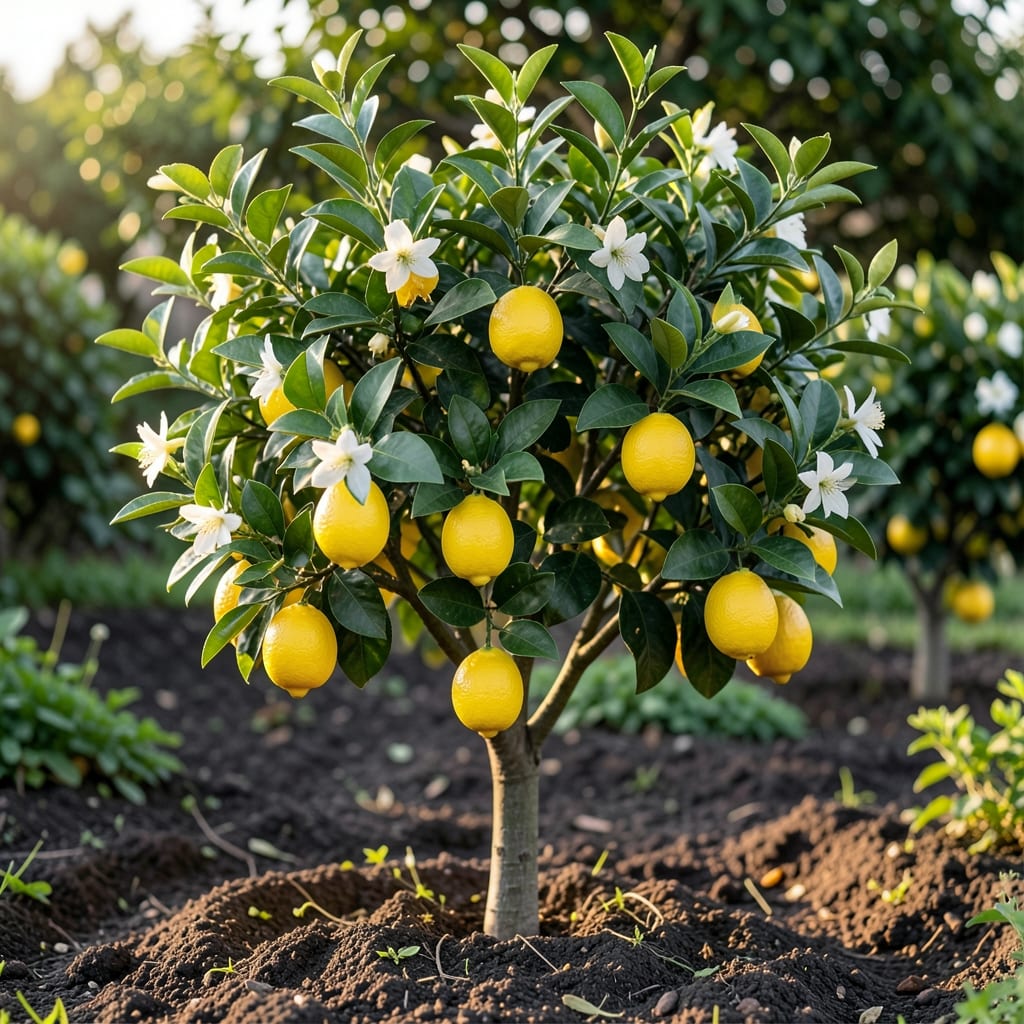
White patches on lemon skin caught me off guard last season. Turns out, it’s often a sign of nutrient deficiency or environmental stress rather than a disease.
I fixed mine with a balanced citrus fertilizer and better watering. The skin cleared up within weeks, and the fruit came back vibrant and healthy. Here’s how to diagnose and treat it.
📚 In This Guide
Here’s how I diagnose and treat this issue in my own citrus trees—takes just a few minutes to assess.
Start by examining the affected fruit closely. I look for white, pale yellow, or greenish patches on the rind, often concentrated on the side facing the sun. These discolorations typically appear as irregular, blotchy areas rather than uniform fading.
Check the tree’s overall health too. If the leaves show yellowing between veins or stunted growth, the issue might be nutritional rather than environmental. Note whether the discoloration appears on fruit exposed to direct light or in shaded areas—this tells you a lot about the cause.
Citrus fruit develops its color in response to temperature fluctuations. I’ve found that prolonged heat above 90°F or sudden cold snaps below 50°F can disrupt pigment formation, leaving patches of the rind pale or white. Note if the discoloration follows a period of extreme weather.
Also assess sunlight exposure. Fruit growing in deep shade often stays green or pale because it lacks the light energy to produce full color. Compare affected fruit to those in sunnier spots—if the sun-exposed ones are properly colored, you’ve likely found your culprit.
Zinc and magnesium deficiencies are common in citrus and can cause irregular color development. With zinc deficiency, I notice small, narrow leaves and fruit with thick, corky rinds that stay partially green. Magnesium deficiency often shows as yellow mottling on older leaves first.
Test your soil or observe leaf symptoms. If the discoloration is accompanied by these leaf issues, a targeted fertilizer application usually resolves it. I apply a zinc sulfate spray for zinc issues or Epsom salts for magnesium, following package rates precisely.
While less common, some pests like citrus leafminer or diseases such as citrus greening can cause abnormal fruit coloring. I check for serpentine trails on leaves (leafminer) or mottled, uneven ripening (greening). These issues often come with other symptoms like leaf curl or fruit drop.
If pests are present, I introduce beneficial insects or apply horticultural oil at the first sign. For diseases, removing affected fruit and branches helps prevent spread. Always sterilize pruning tools between cuts to avoid contaminating healthy parts of the tree.
Once I’ve identified the likely cause, I take corrective action. For heat stress, I ensure the tree receives afternoon shade during peak summer months. For cold stress, I use frost cloth during unexpected temperature drops. Nutritional issues get addressed with soil amendments or foliar sprays.
Monitor the tree’s response over 2-3 weeks. New growth should show improved color if you’ve addressed the root cause. For existing fruit, the discoloration won’t reverse, but future harvests will benefit from your adjustments. Consistency in care is key—citrus trees thrive on stable conditions.
Here’s what I’ve learned from diagnosing this condition in my own orchard—small details make a big difference.
The Temperature Factor: Those 90°F heatwaves and 50°F cold snaps mentioned in Step 2 are critical thresholds. I’ve seen pigment disruption start at exactly these points—watch your weather app closely during fruit development. Even a single day outside this range can trigger discoloration, especially on sun-exposed sides.
Visual Clues to Prioritize: In Step 1, focus on the blotchy pattern rather than uniform fading. I once wasted weeks treating for disease when the irregular, sun-side patches clearly pointed to environmental stress. Uniform discoloration suggests systemic issues, while blotchy patches usually mean localized stressors.
Nutritional Timing: When applying zinc sulfate or Epsom salts in Step 3, do it at dusk or on overcast days. I learned this the hard way after leaf burn from midday applications. The package rates are designed for cool conditions—hot sun can concentrate the spray and damage foliage.
Pest Detection Shortcut: For Step 4, check the undersides of leaves first. Citrus leafminer trails are most visible there, and greening disease symptoms often appear on the leaf undersides before the upper surfaces. This saves time and prevents unnecessary treatments.
Lemon white skin, or chlorosis, is often caused by nutrient deficiencies (like zinc or iron), poor drainage, or fungal infections. Environmental stress, such as extreme temperatures or overwatering, can also contribute. A soil test can help pinpoint the exact issue.
Yes! Natural remedies include applying compost or organic fertilizers rich in micronutrients, improving soil drainage, or using neem oil for fungal issues. Epsom salt sprays (magnesium sulfate) can also help if the problem is magnesium deficiency.
Recovery time varies. With proper treatment (e.g., correcting nutrient deficiencies or improving drainage), you may see improvement in 2-4 weeks. Severe cases or persistent issues could take a full growing season to resolve.
Generally, yes—if the issue is nutritional or environmental. However, if the discoloration is due to fungal or bacterial infections, it’s best to discard affected fruit. Always wash lemons thoroughly before use.
Try organic options like kelp extracts, compost tea, or mulching with organic matter. Beneficial fungi (mycorrhizae) can also enhance nutrient uptake. Avoid over-fertilizing, as this can worsen imbalances.